Traces of Life
TRACES OF LIFE, bioglyphs (from “bio”… and glýphō – I hollow out, make hollow, cut out), ichnofossils (from Greek íchnos – footprint and Latin fossilis fossil), preserved traces of any manifestations of the vital activity of extinct organisms on the surface (exoglyphs) or inside sedimentary rocks (endoglyphs). There are known traces of walking (prints of footprints), crawling and burrowing (roll-like formations), feeding (remains of damaged insects in amber, stomach contents – gastroliths, excrement – coprolites, traces of drilling, etc.), residential buildings (moves and burrows, left by many invertebrates, various drillings in hard rocks and in the skeletons of other animals), reproduction (eggs of reptiles and birds, fish eggs). To S. sometimes include evidence of symbiosis, parasitism, traces of pathological. changes in extinct organisms (bone fractures, rickets, caries, etc.). For diff. Groups of organisms are characterized by their own specific life cycles, which sometimes make it possible to judge the life activity of even those organisms that have not been preserved in a fossil state (for example, worms). S. especially important in cases where no skeletal remains have been found. For example, numerous traces in the Triassic rocks of the Connecticut Valley (N.E. USA) testify to a diverse fauna of dinosaurs, although their bones have not been found. S.’s complexes. in deposits called ichnocenoses, or paleoichnocenoses.
“Biological encyclopedic dictionary.” Chief ed. M. S. Gilyarov; Ed.: A. A. Babaev, G. G. Vinberg, G. A. Zavarzin et al – 2nd ed., corrected – M.: Sov. Encyclopedia, 1986
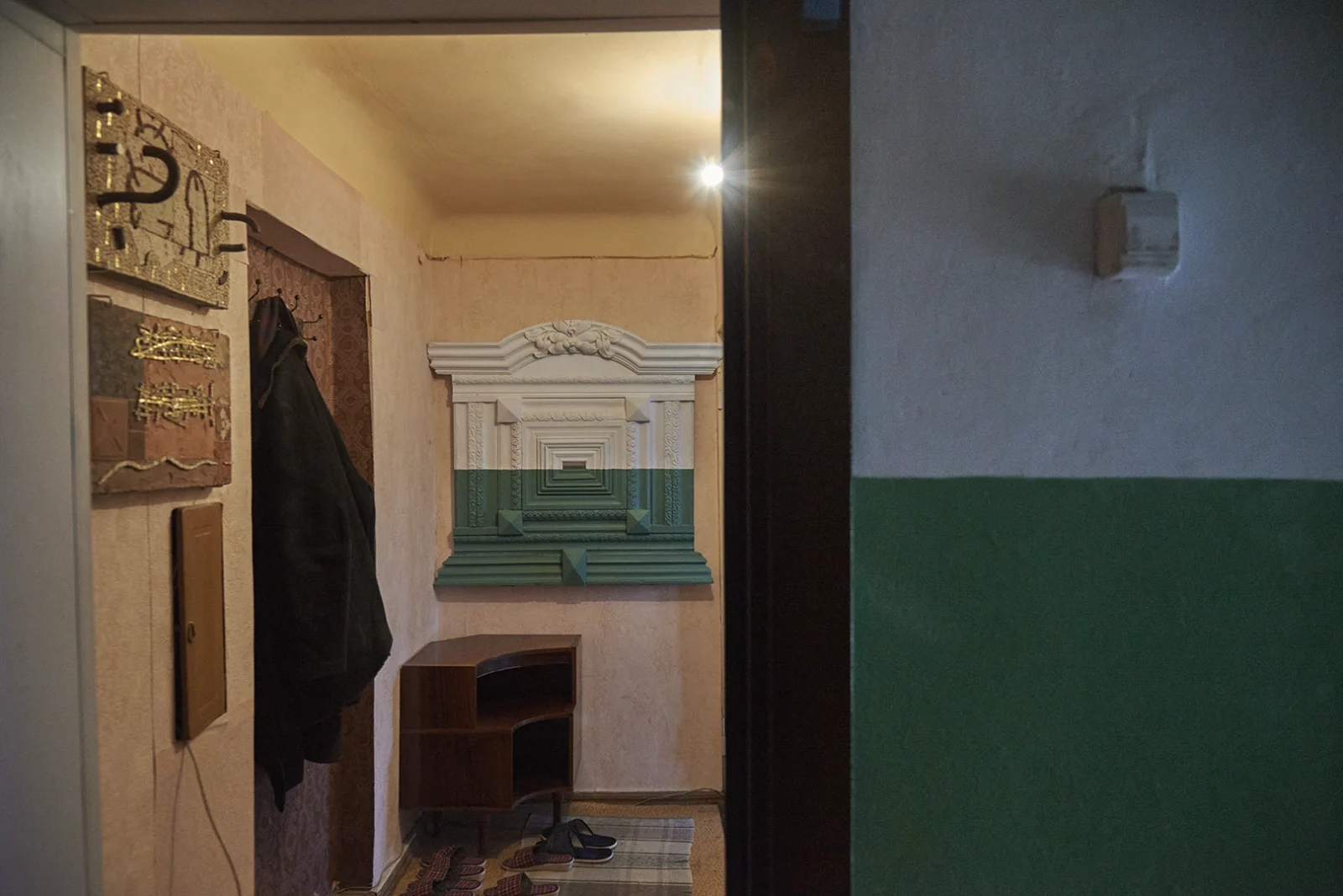
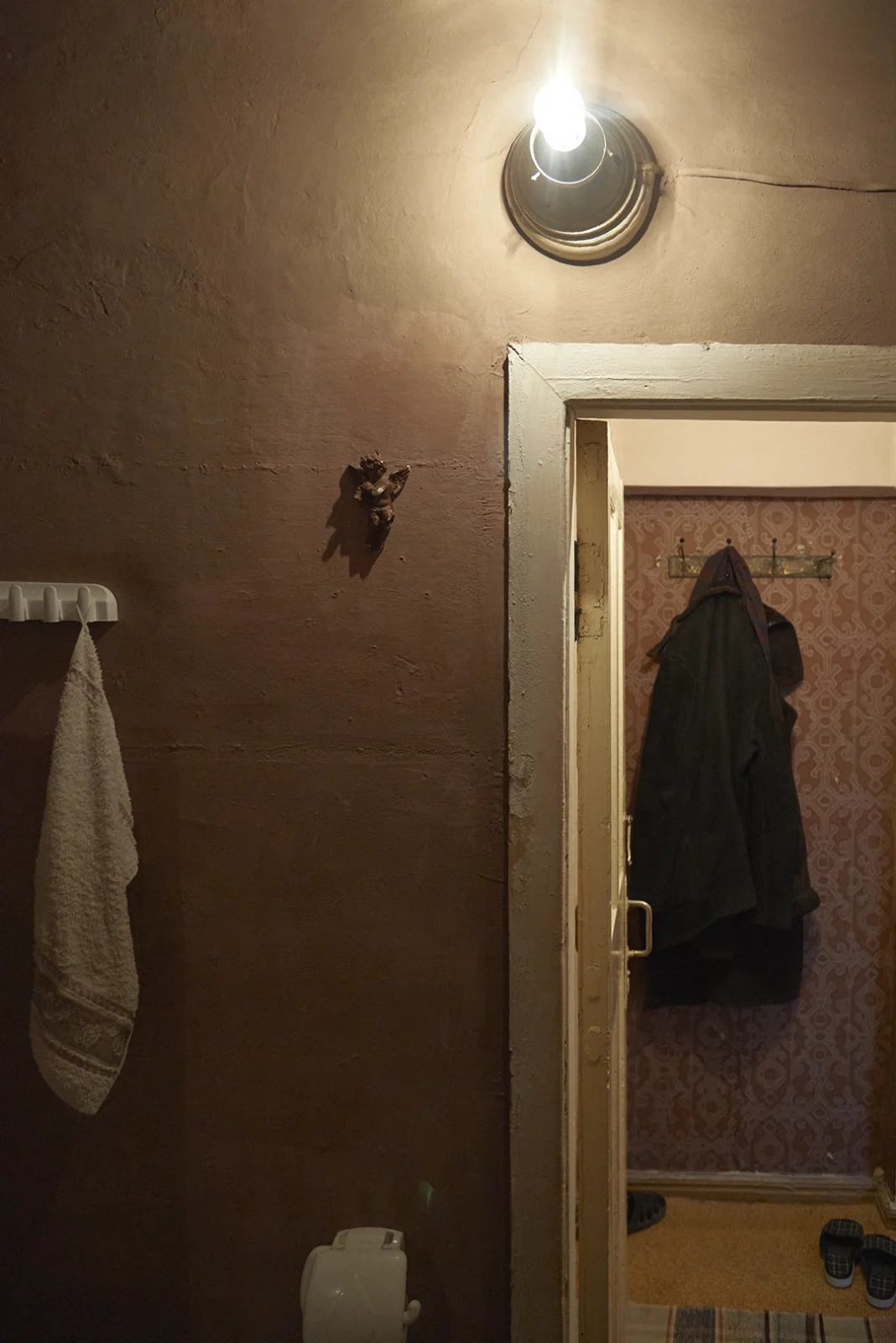
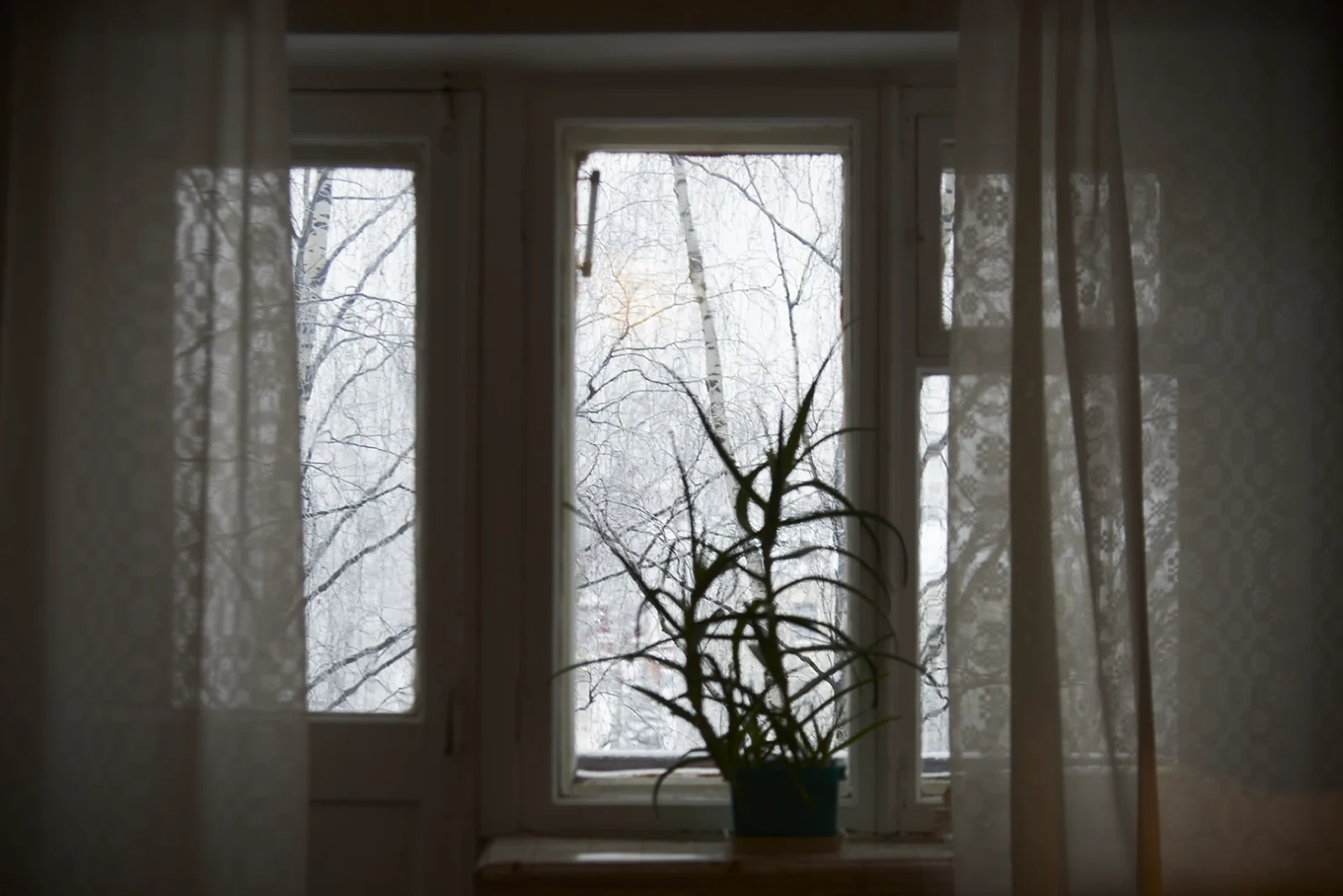
2021, own apartment, Kirov (Vyatka)
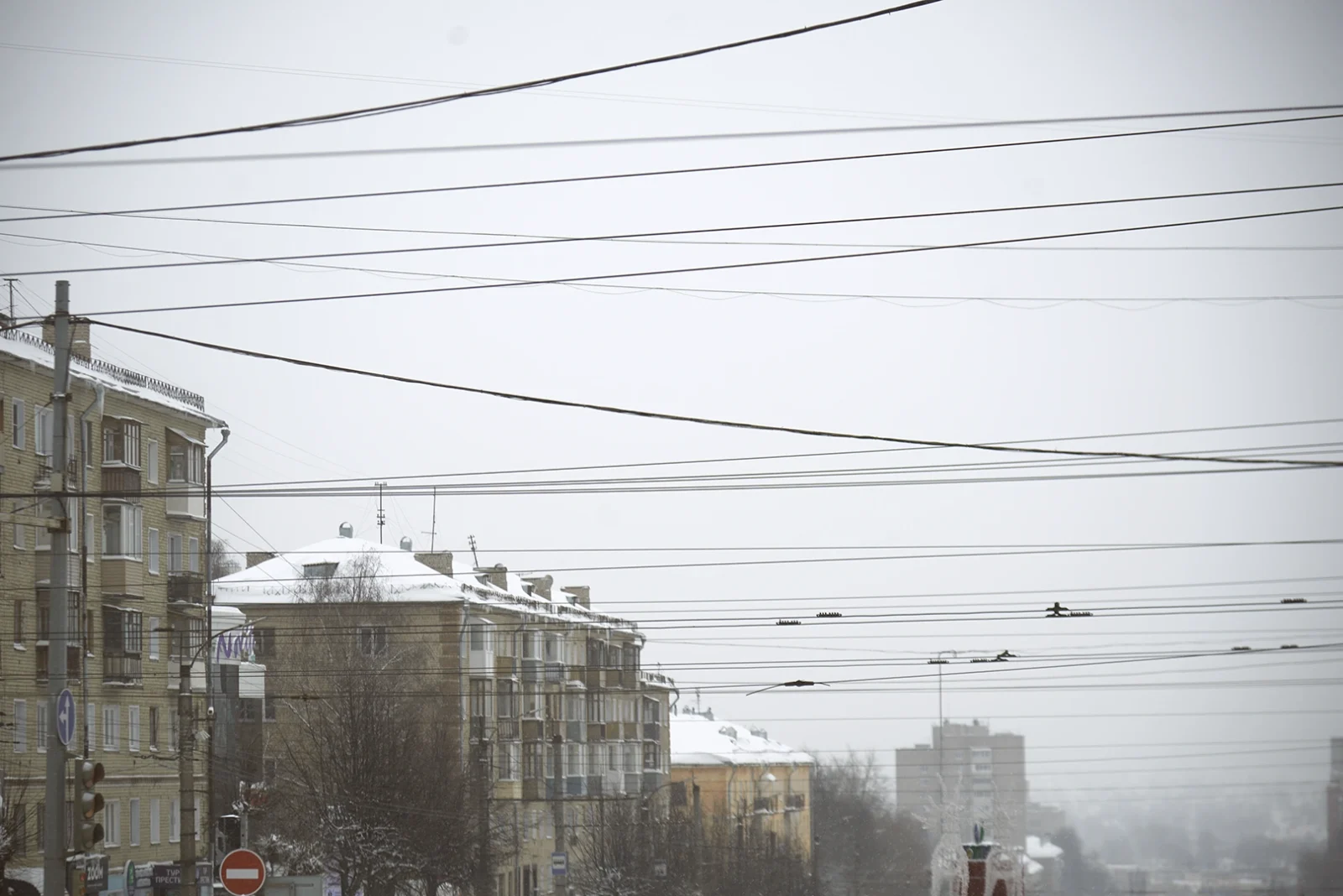
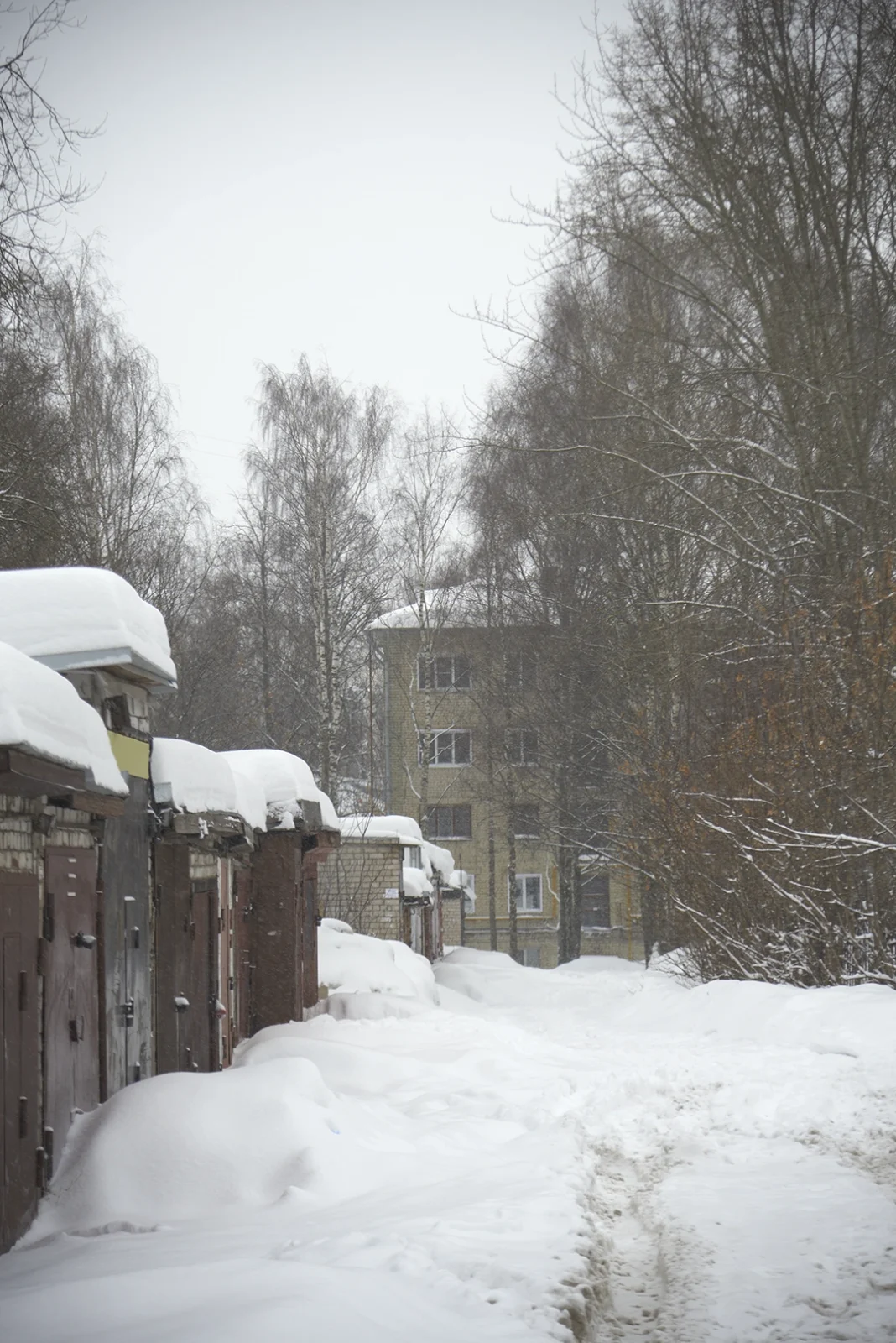
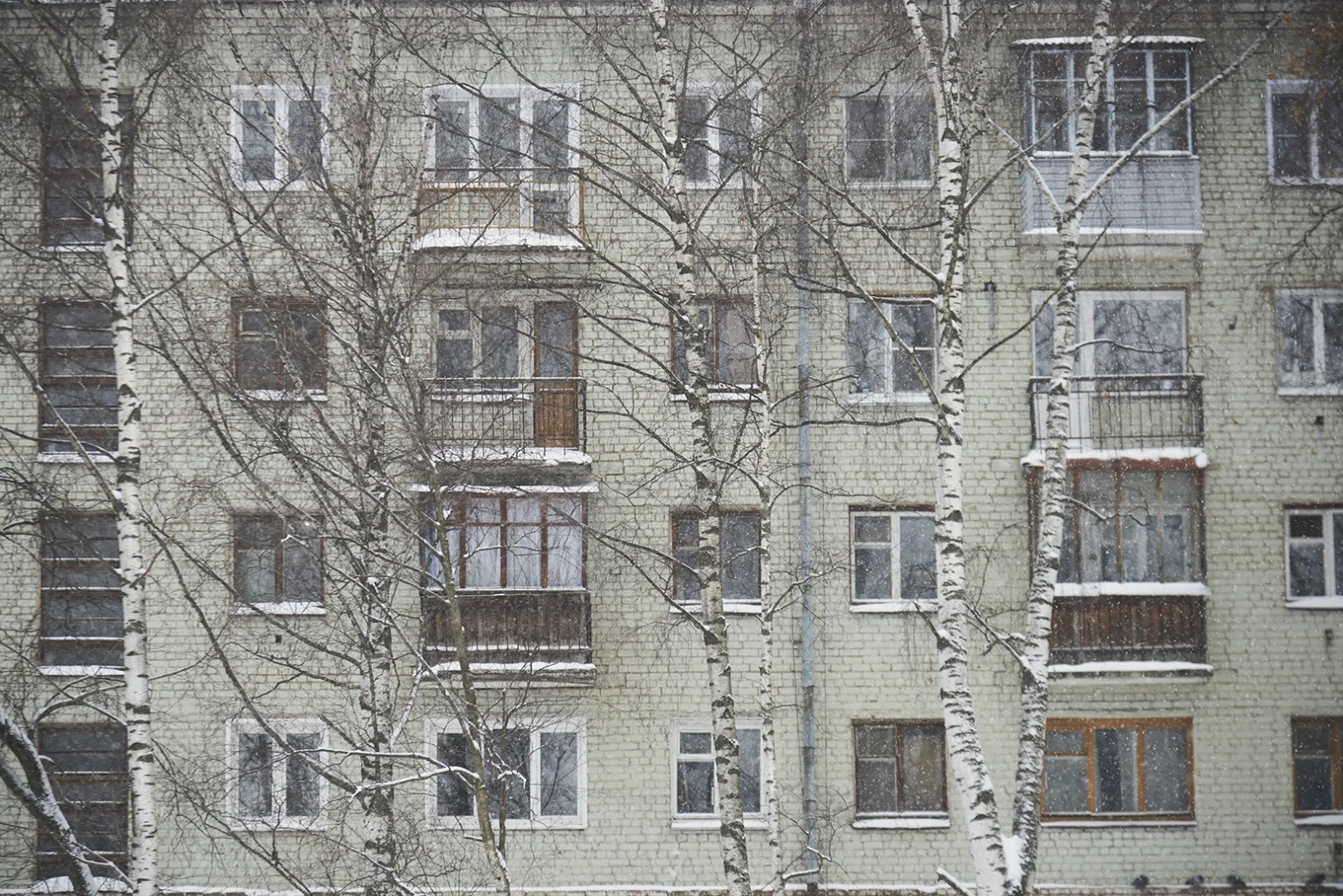
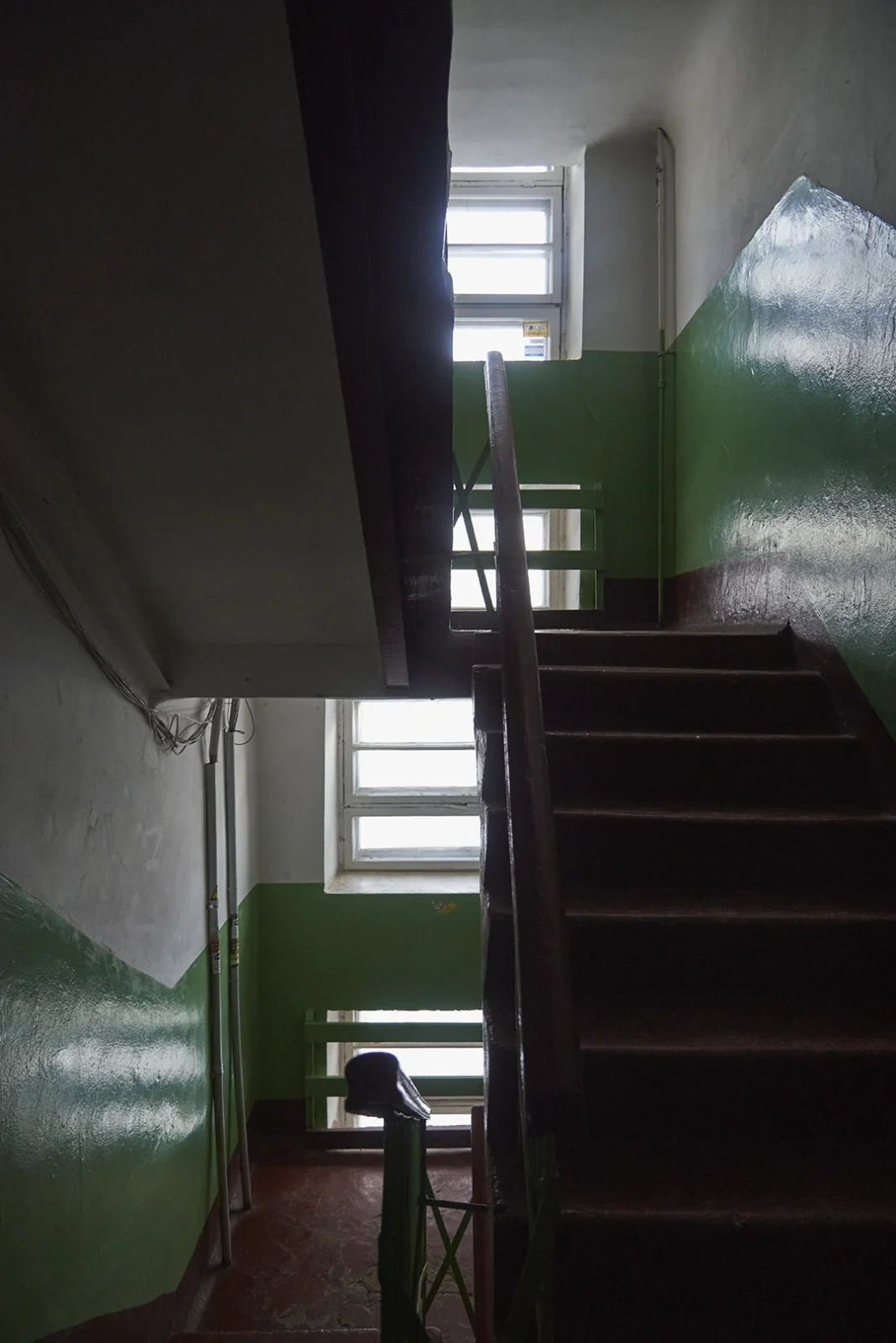
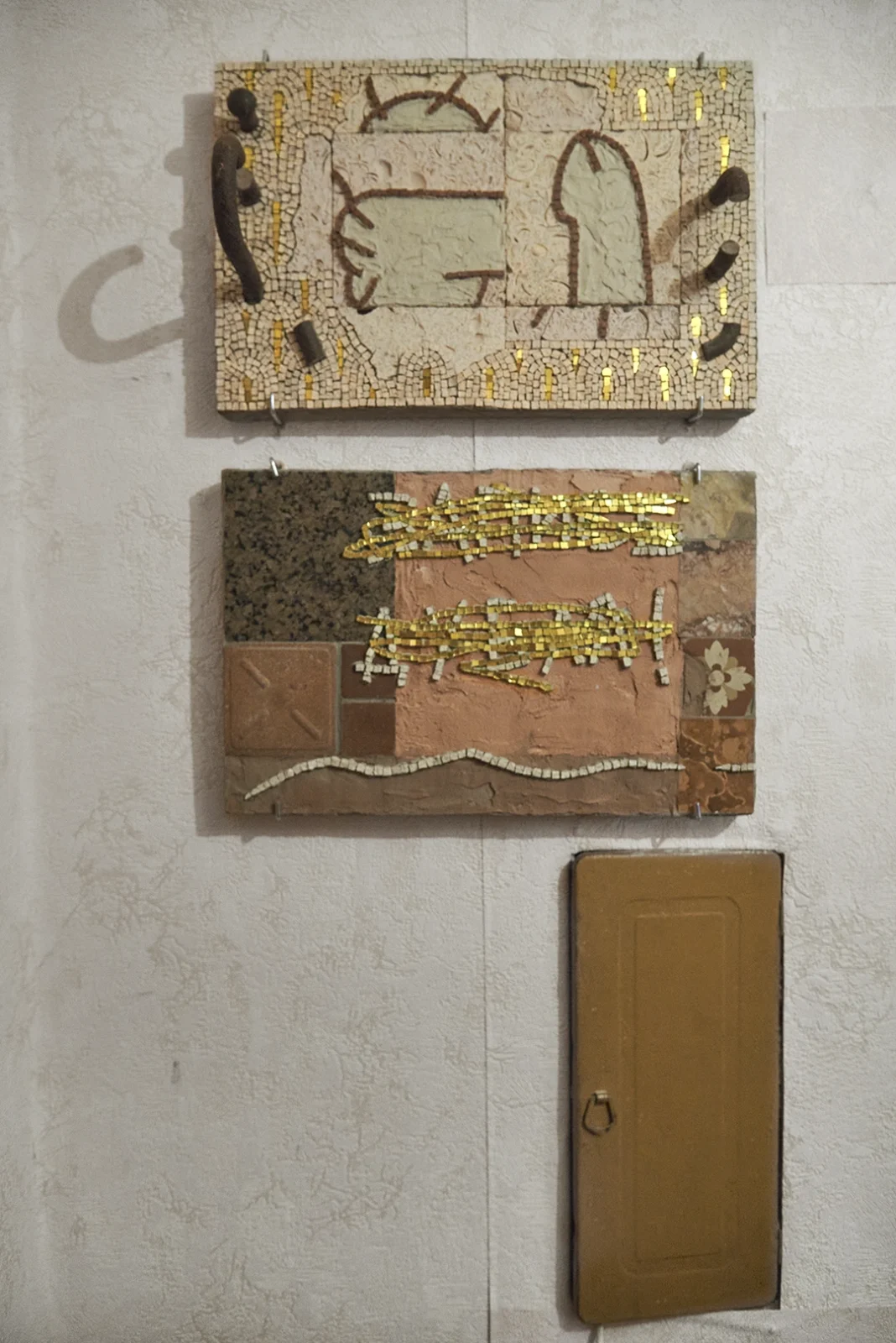
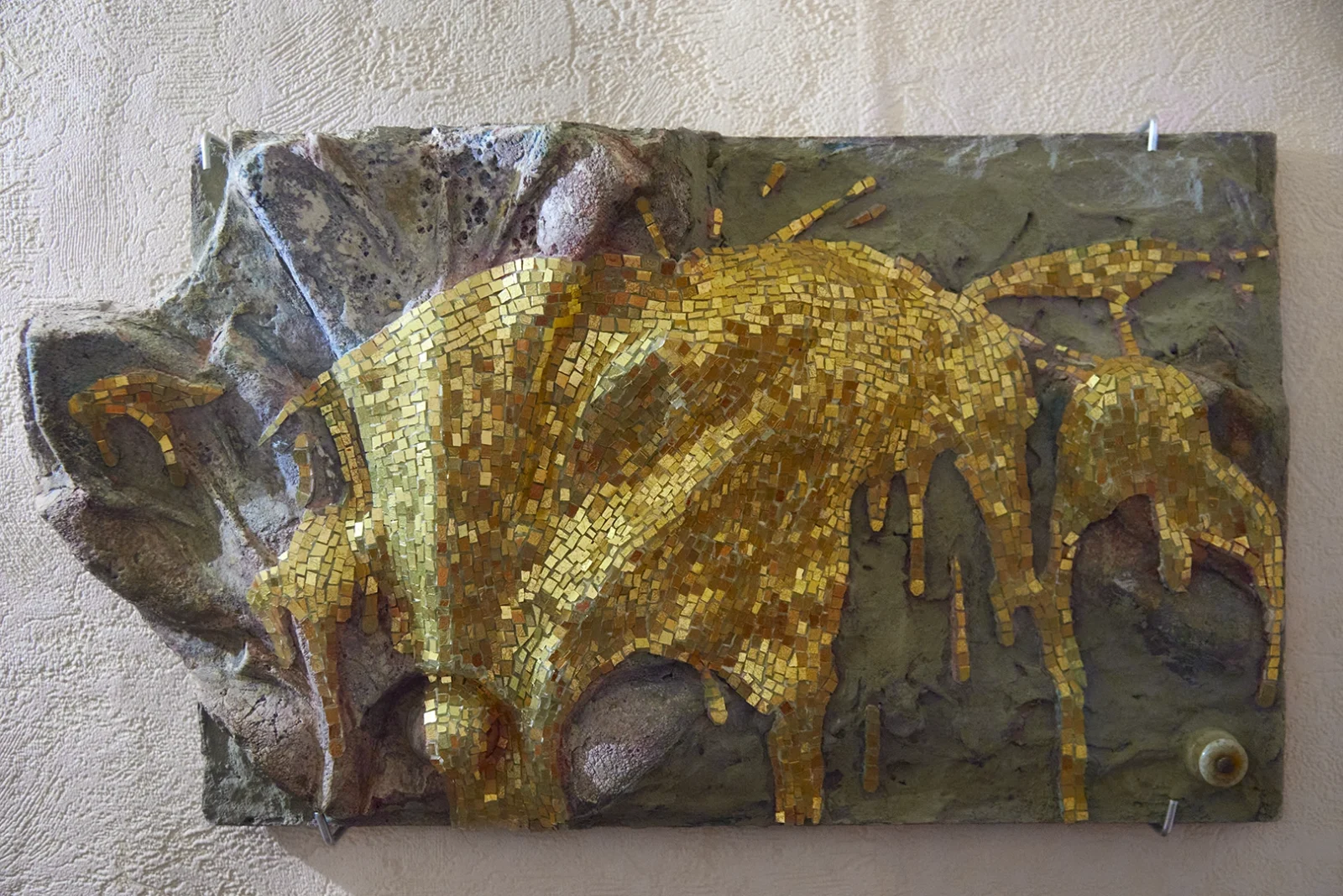
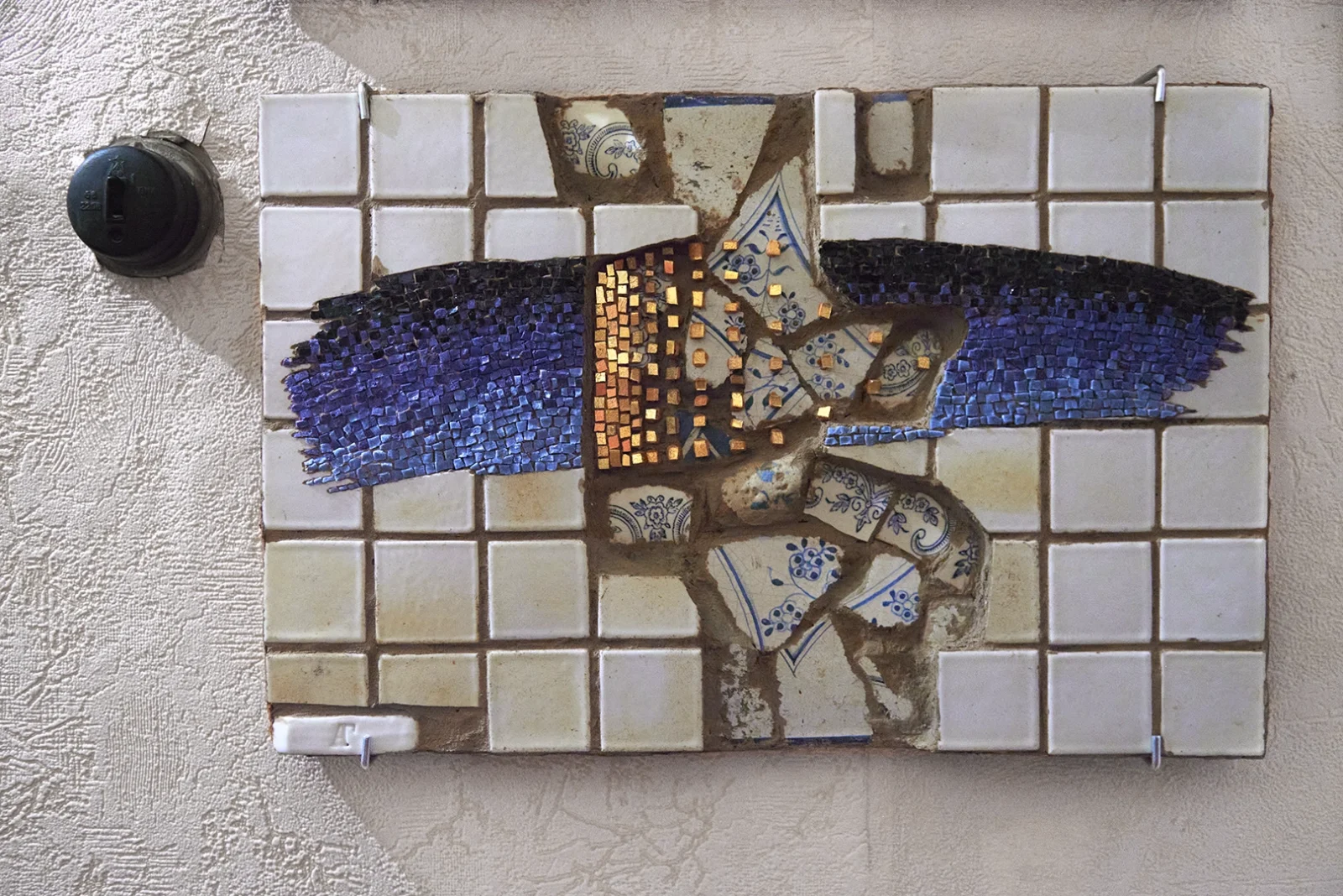
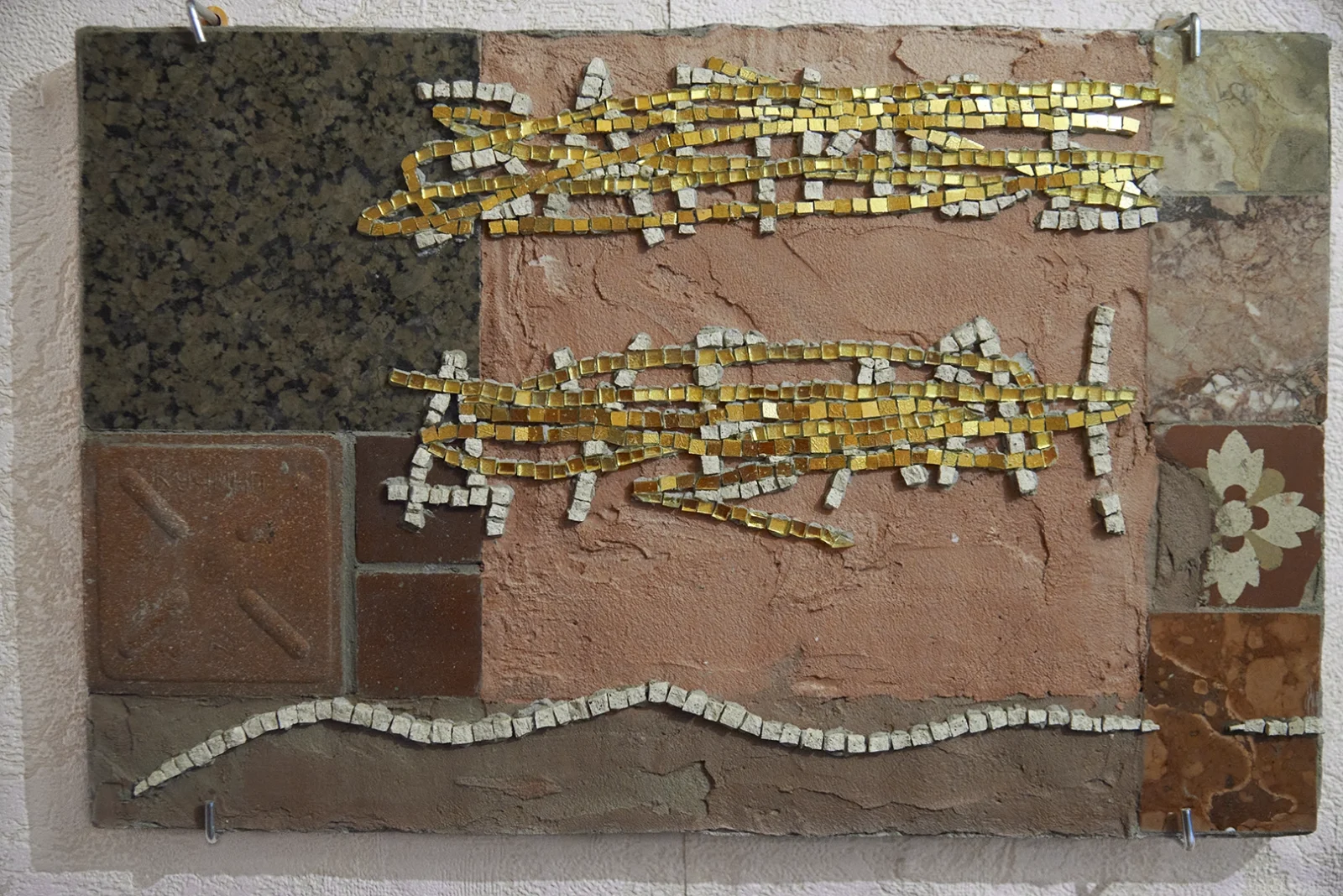
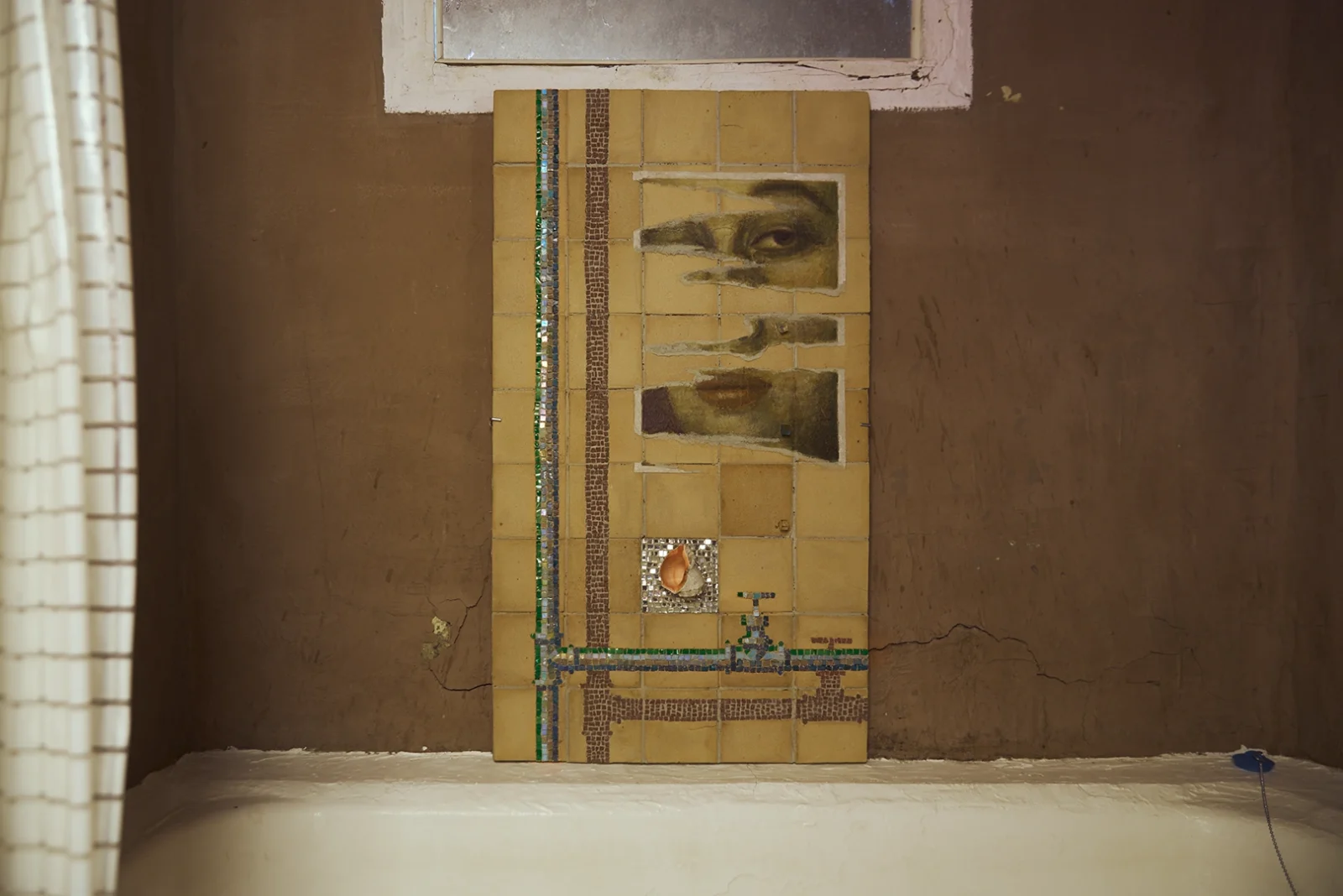
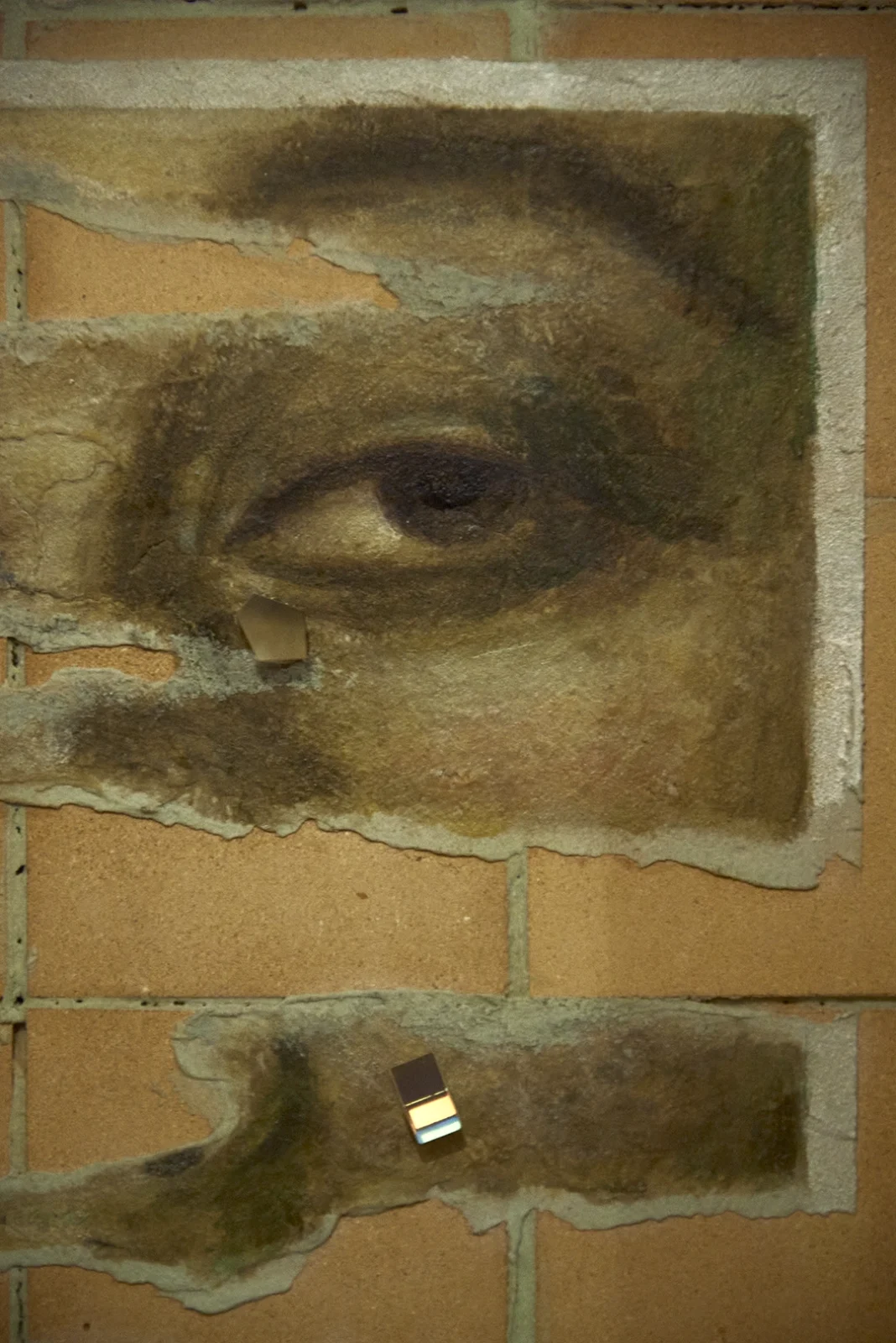
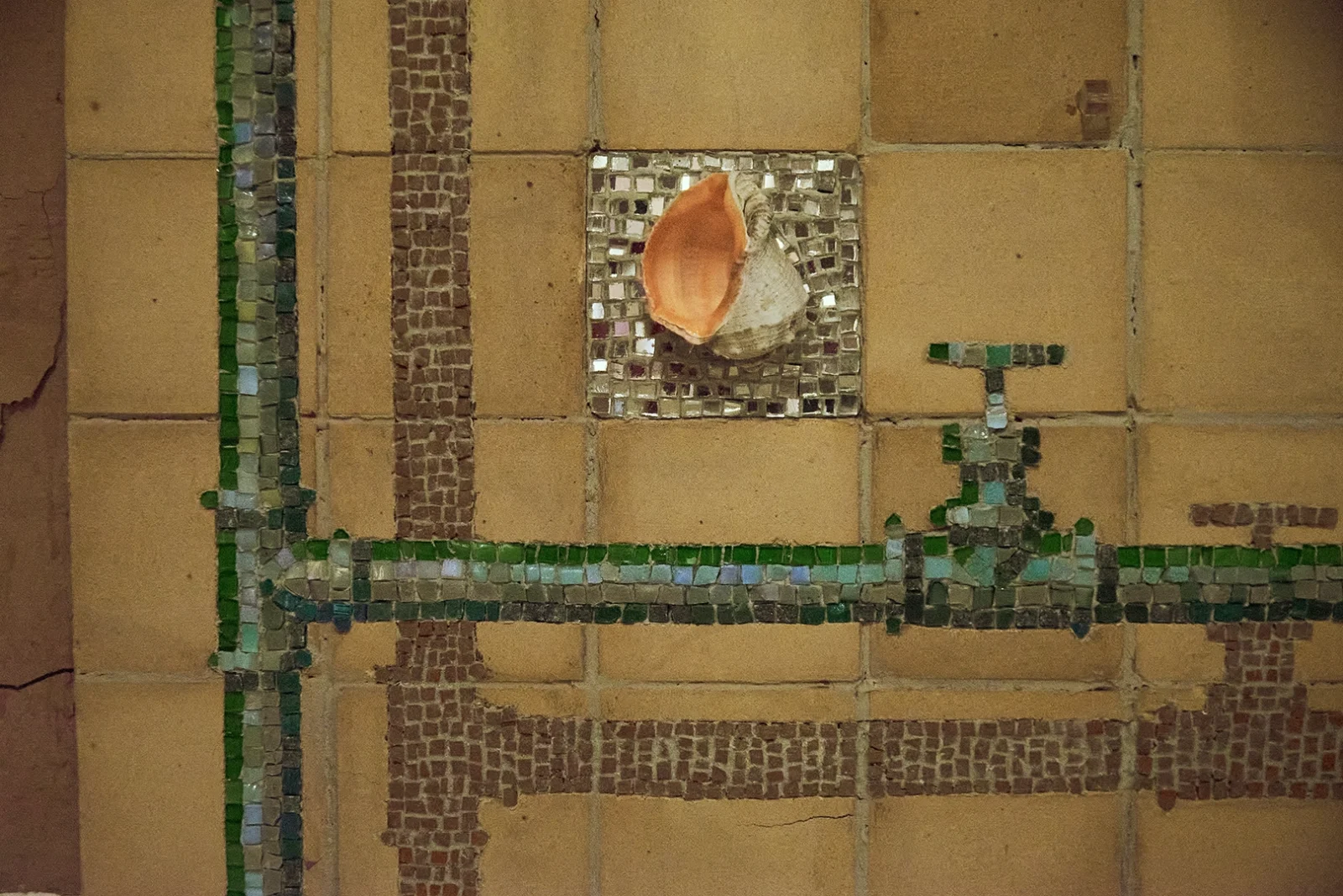
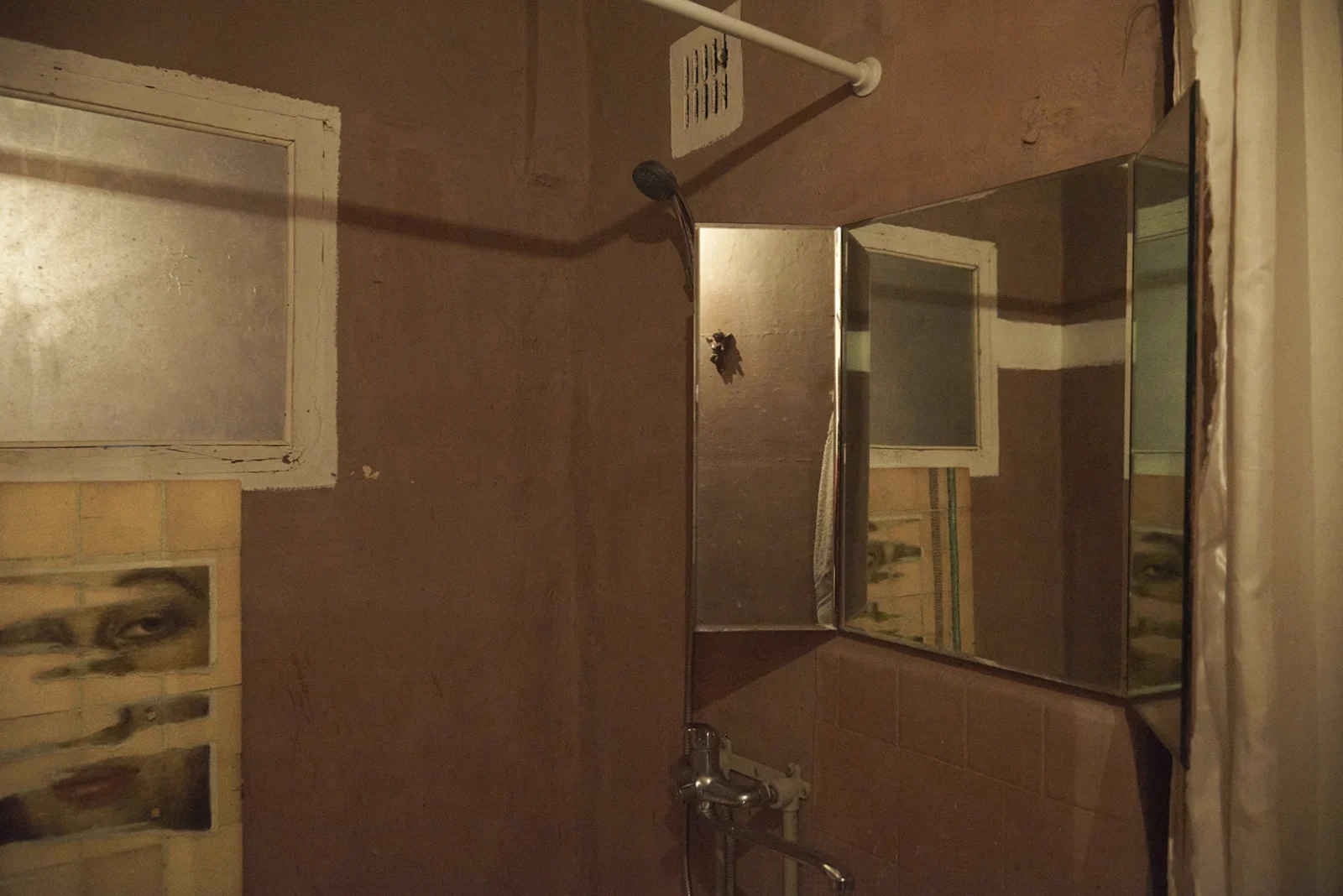
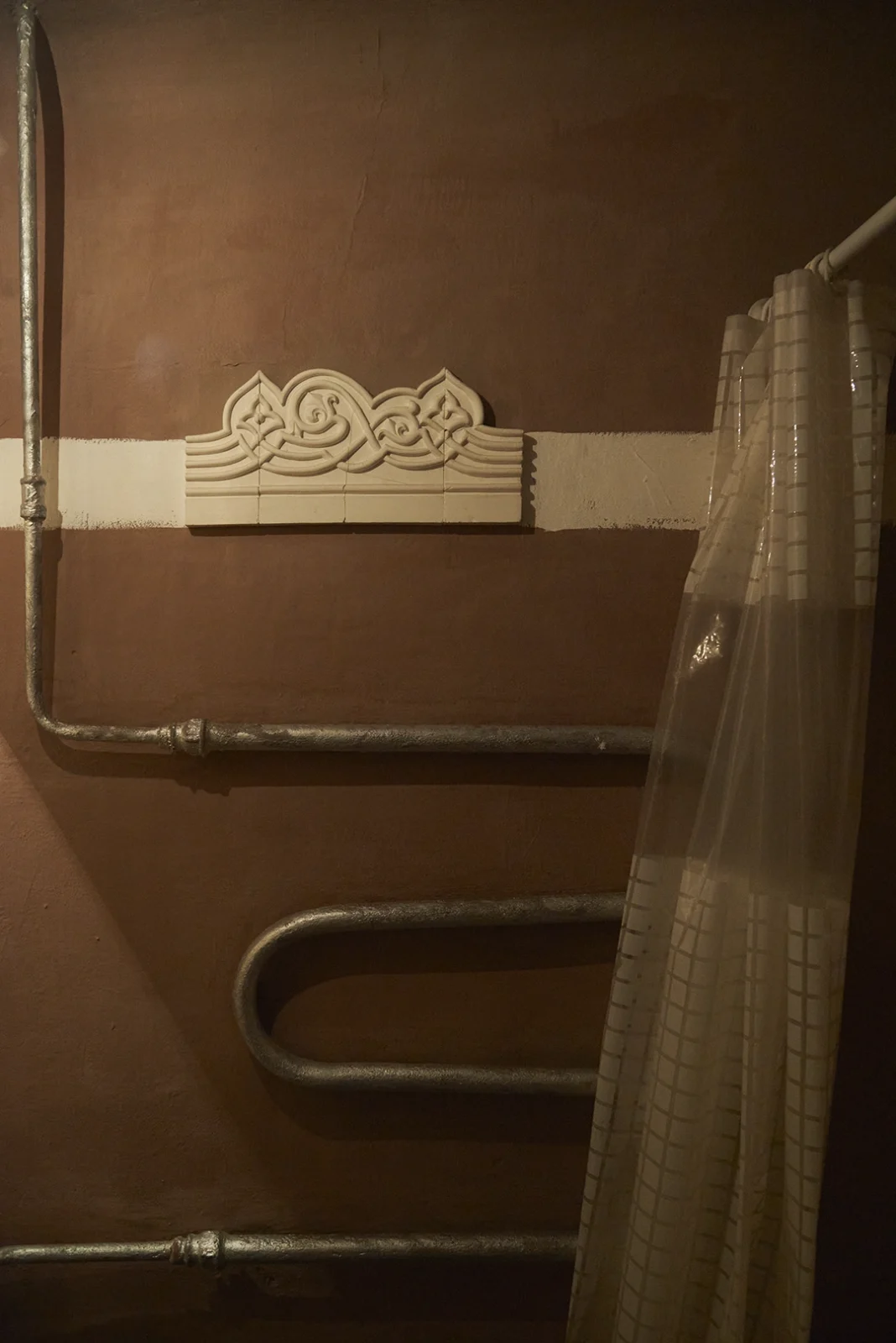
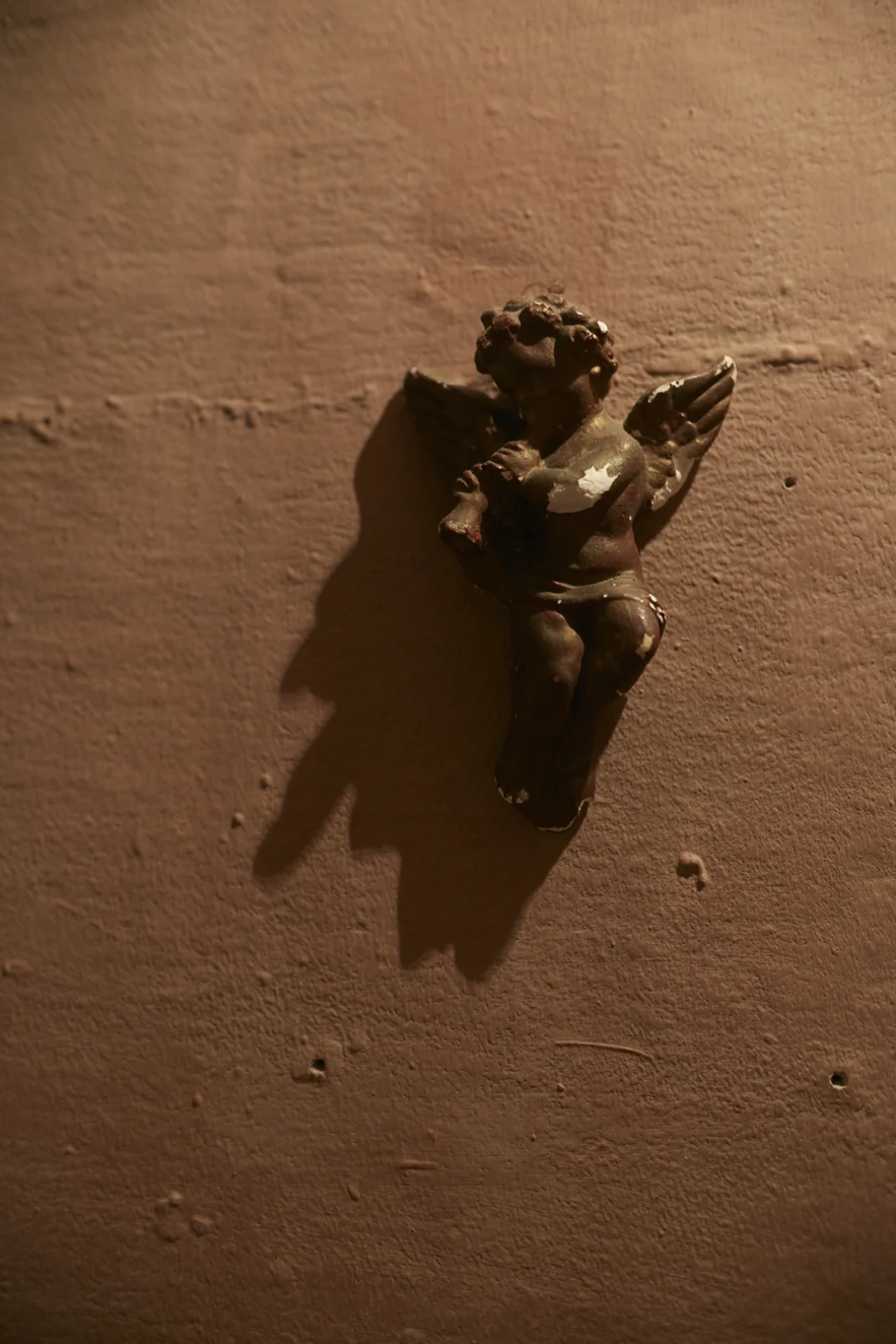
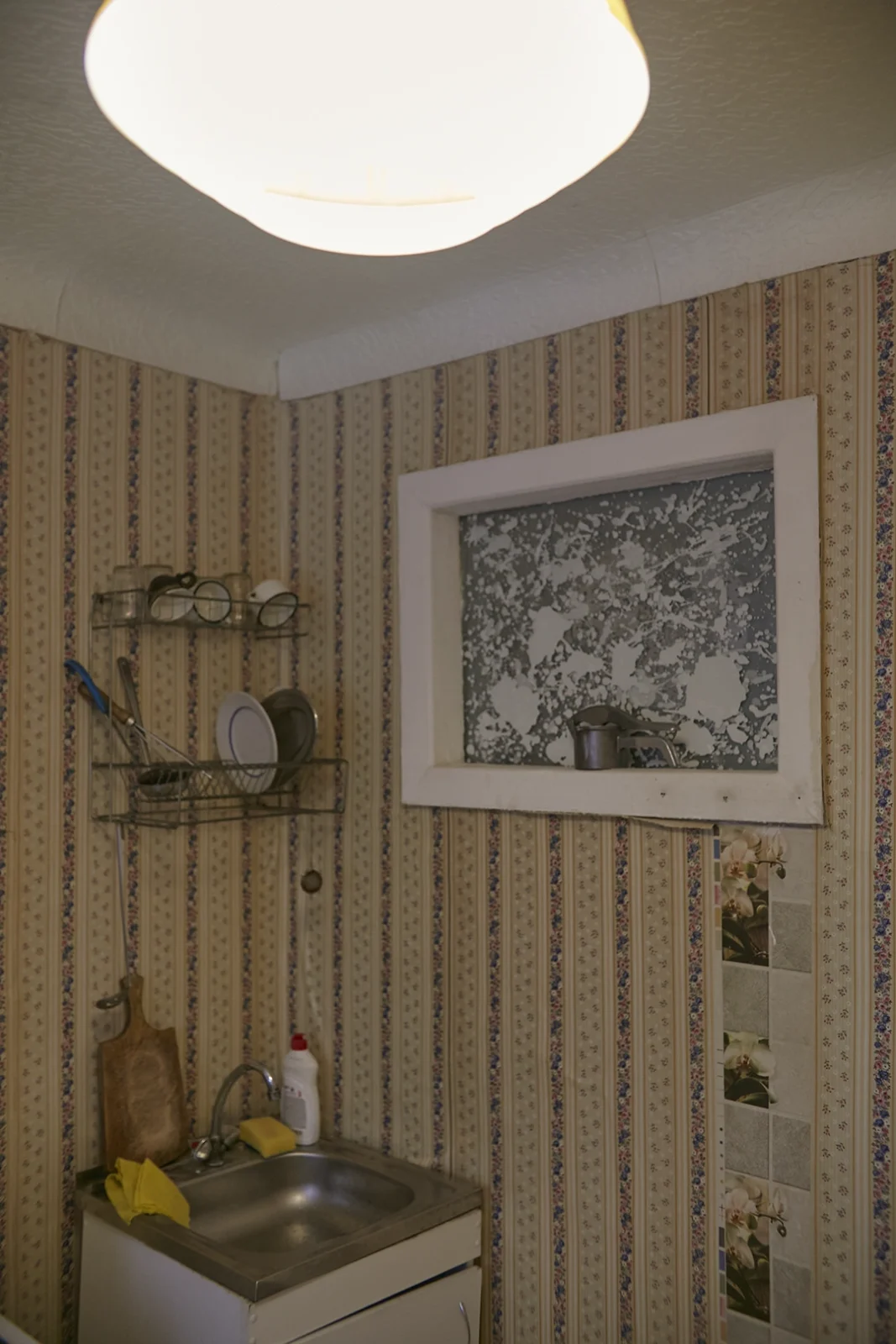
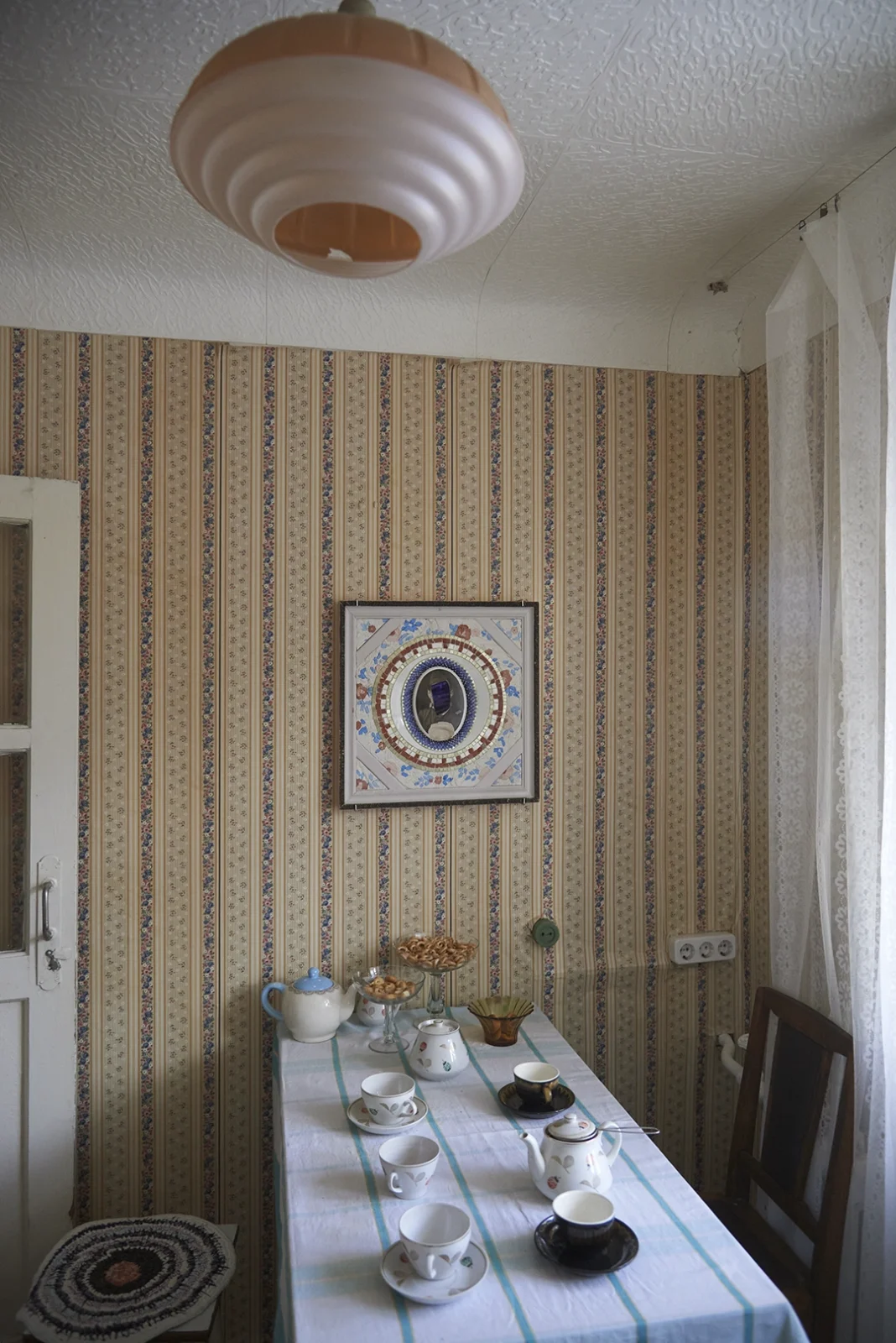
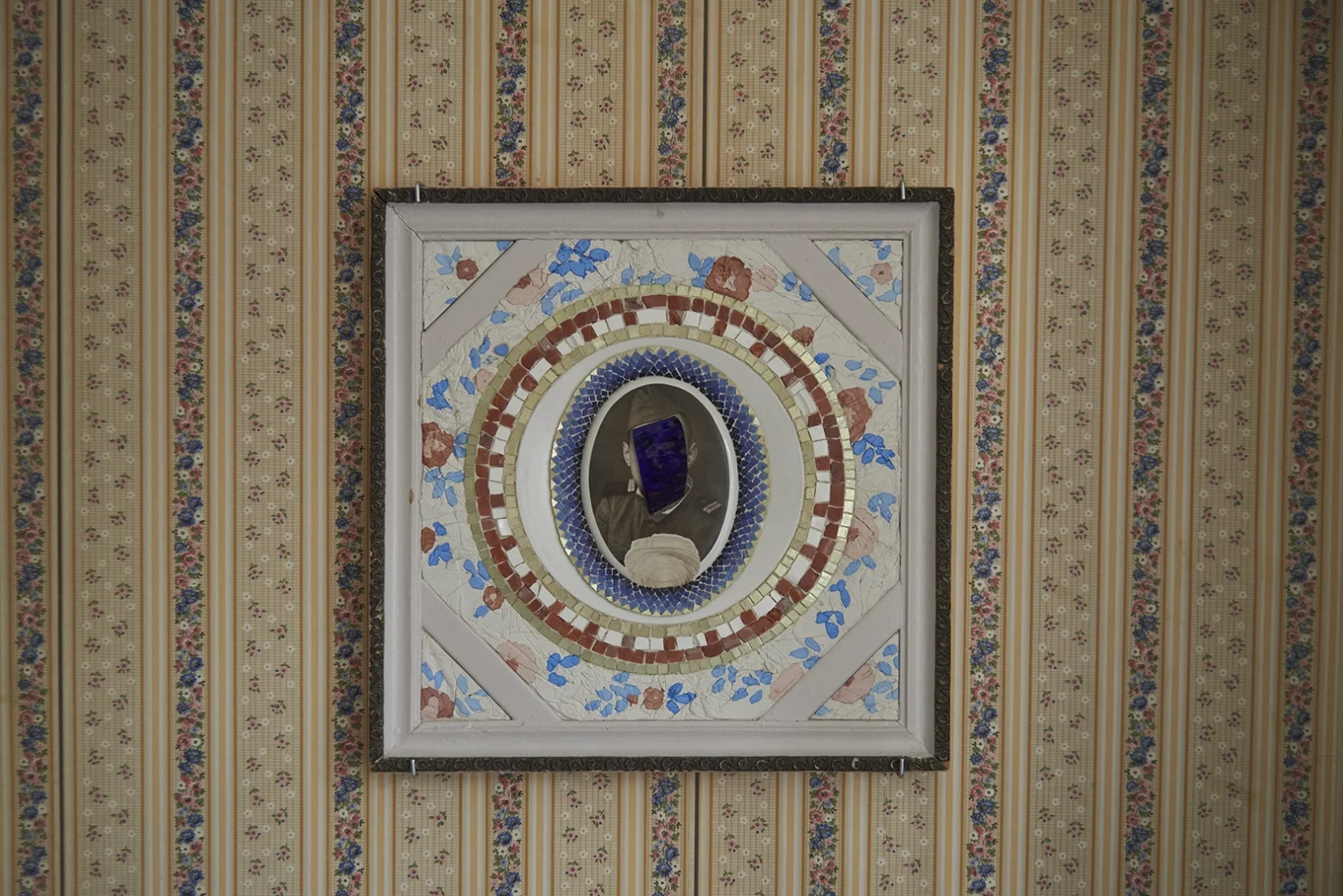
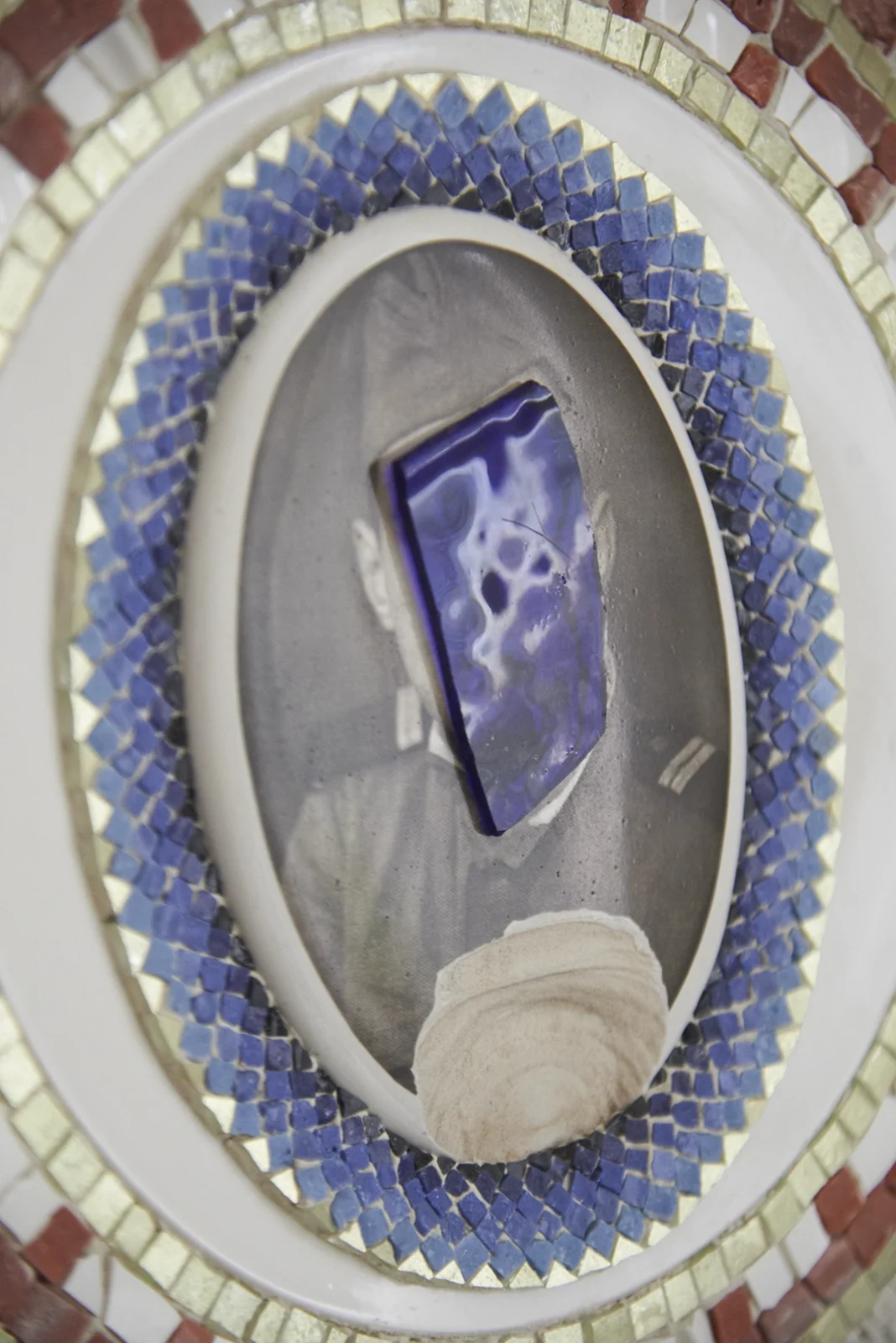
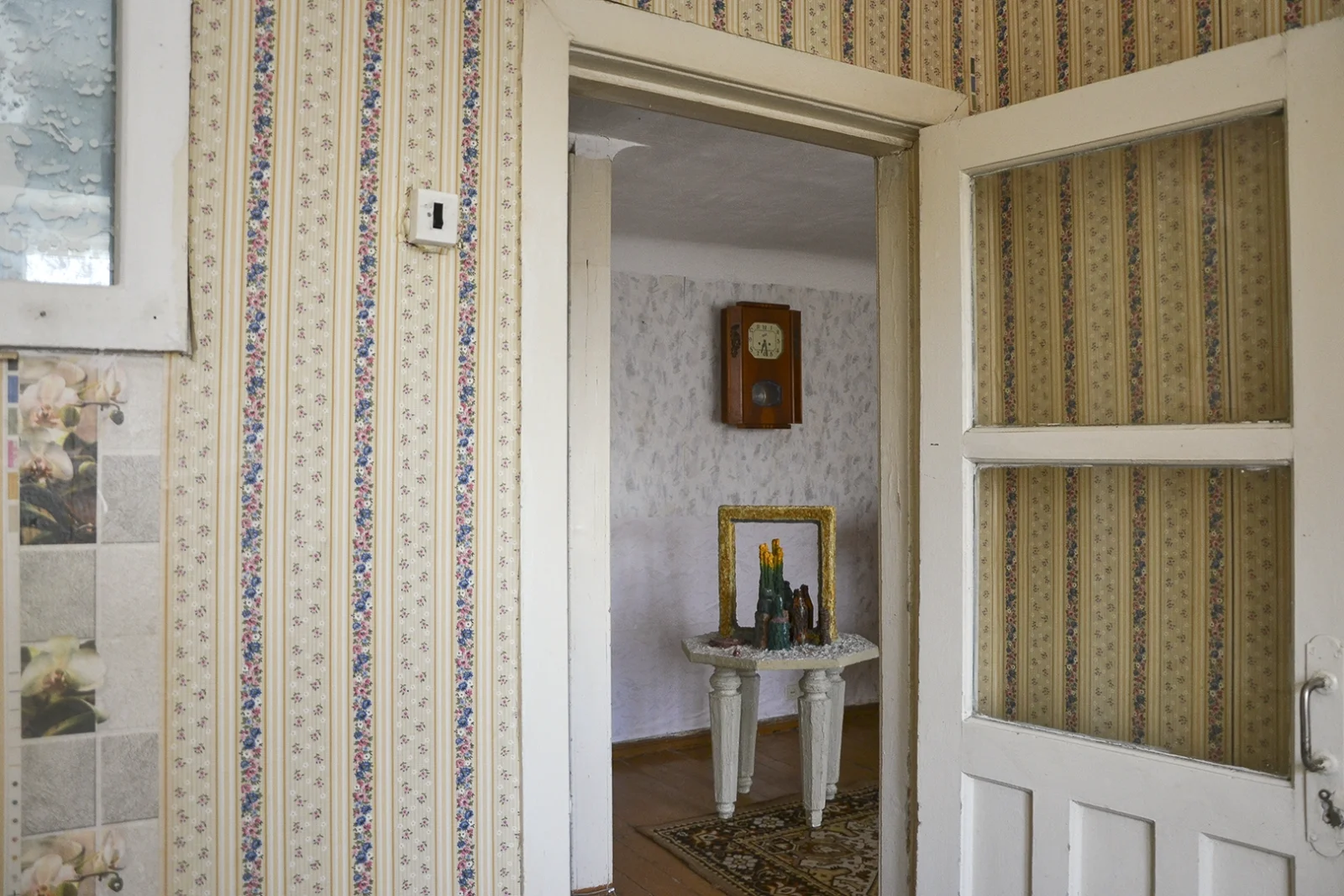
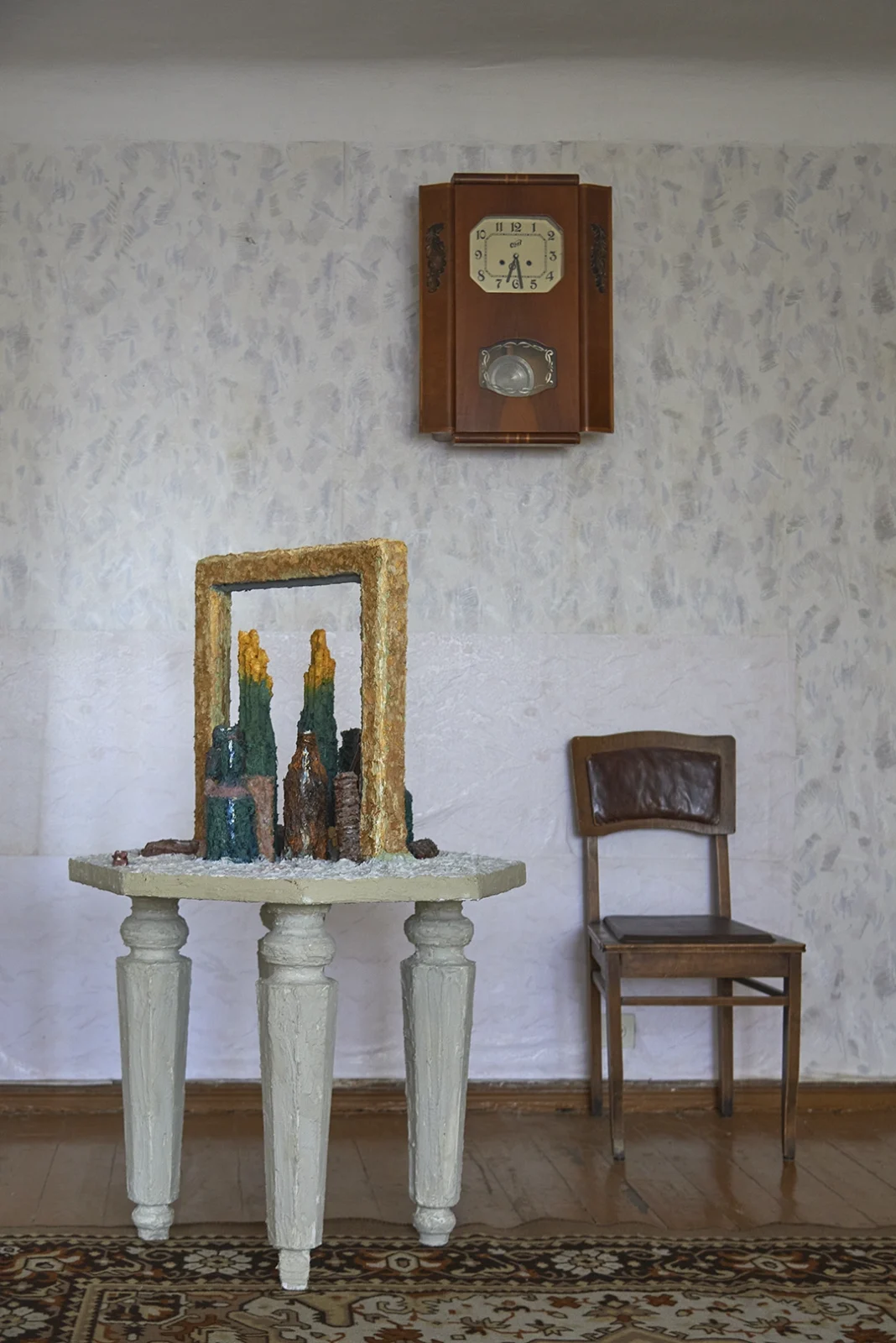
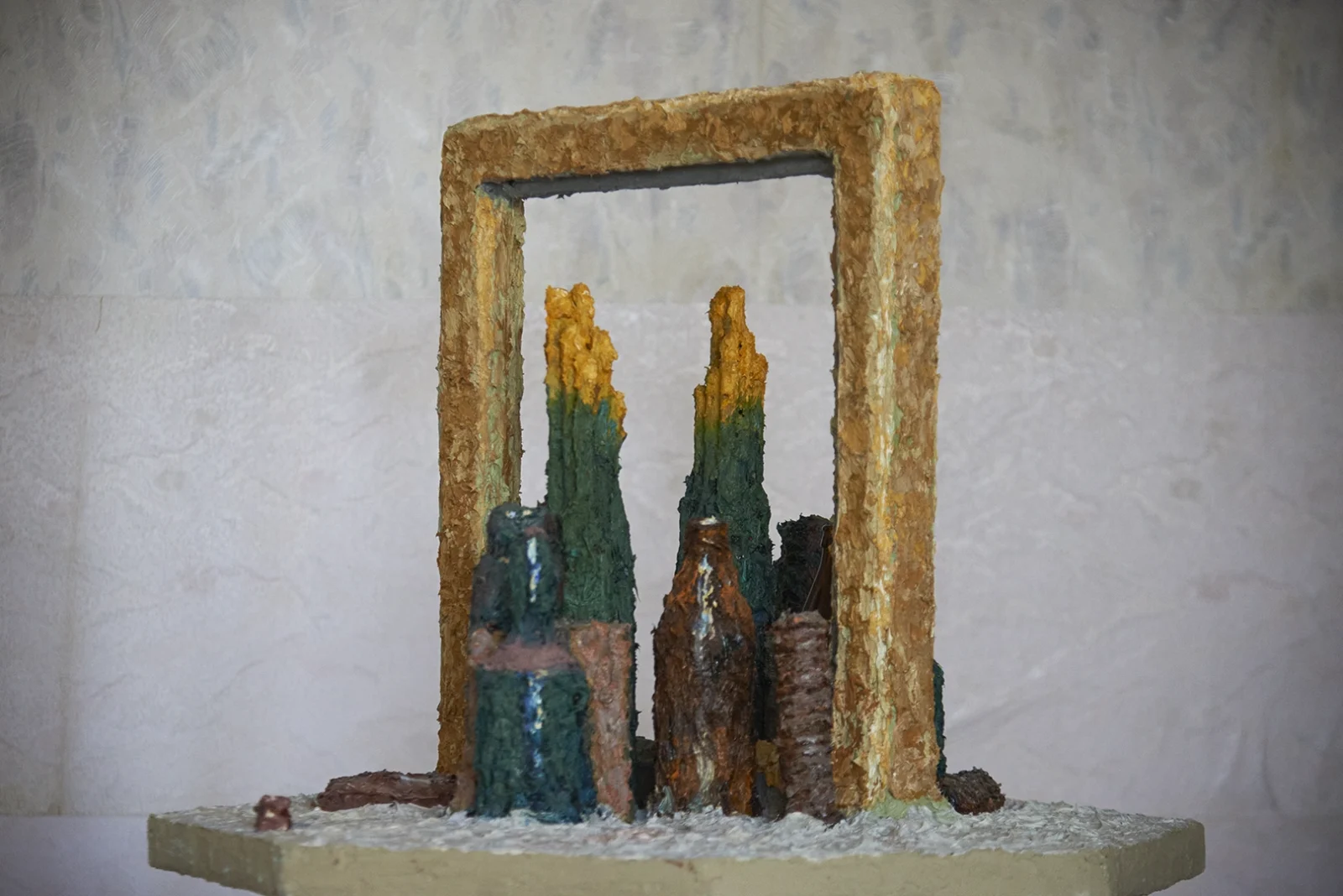
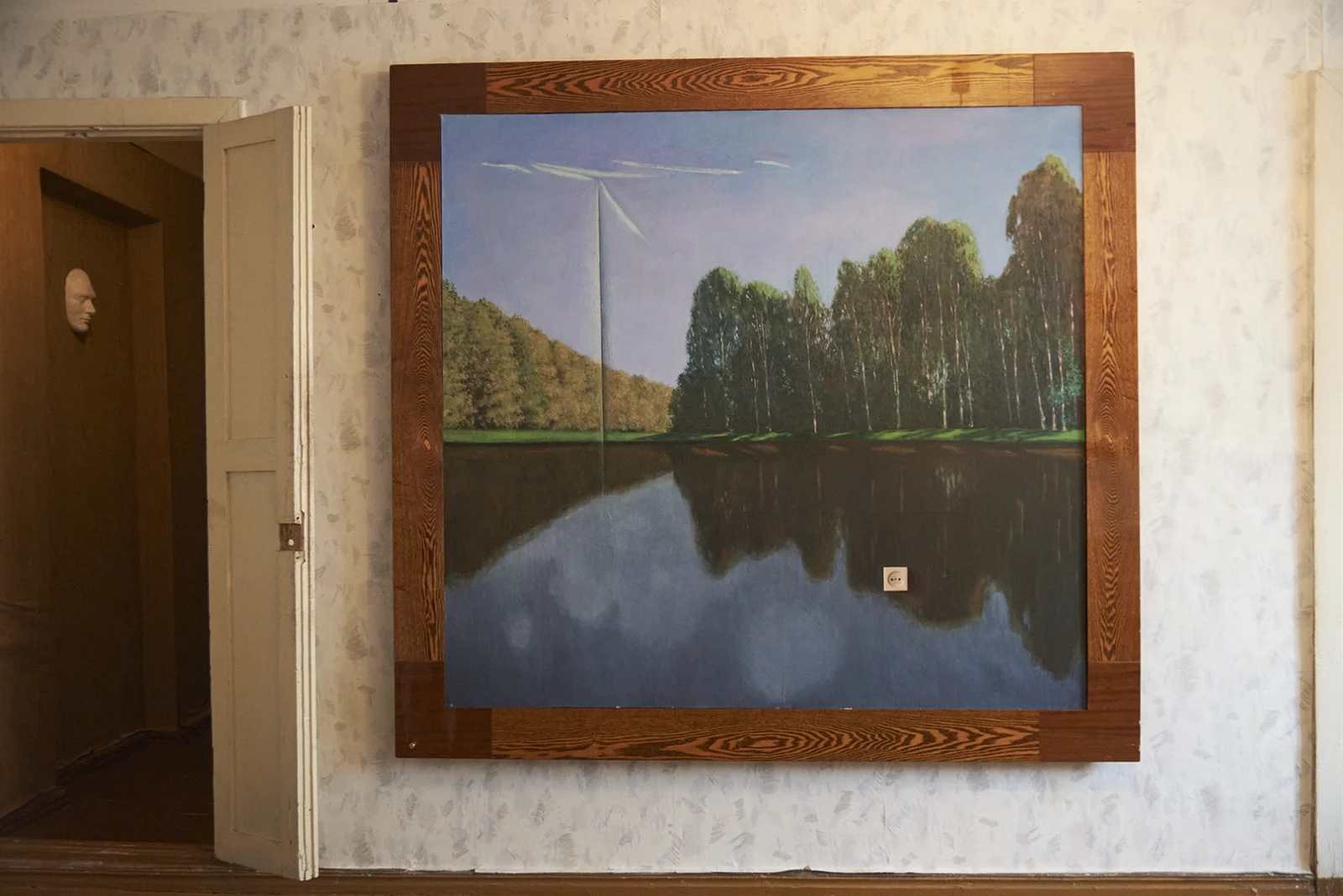
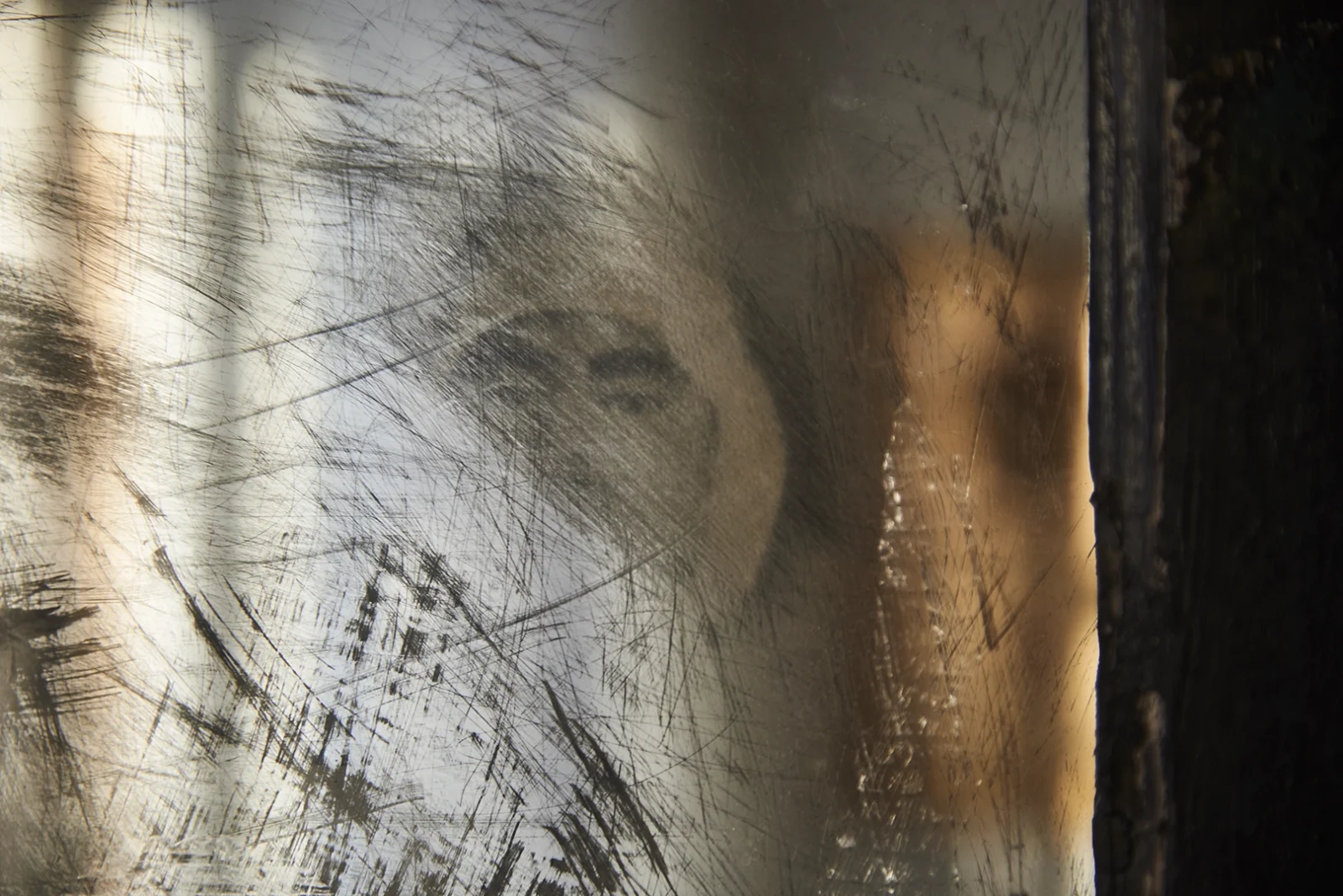
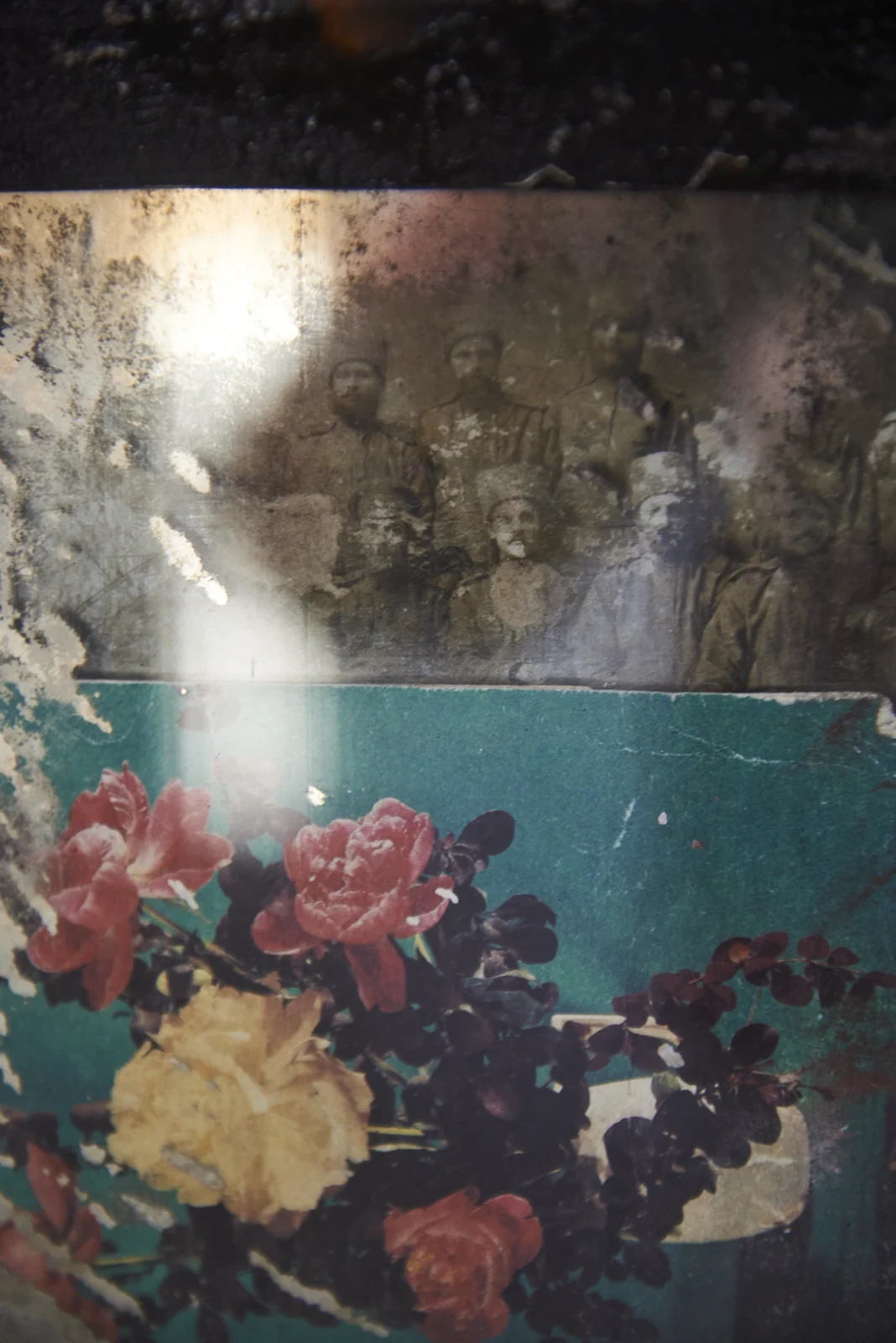
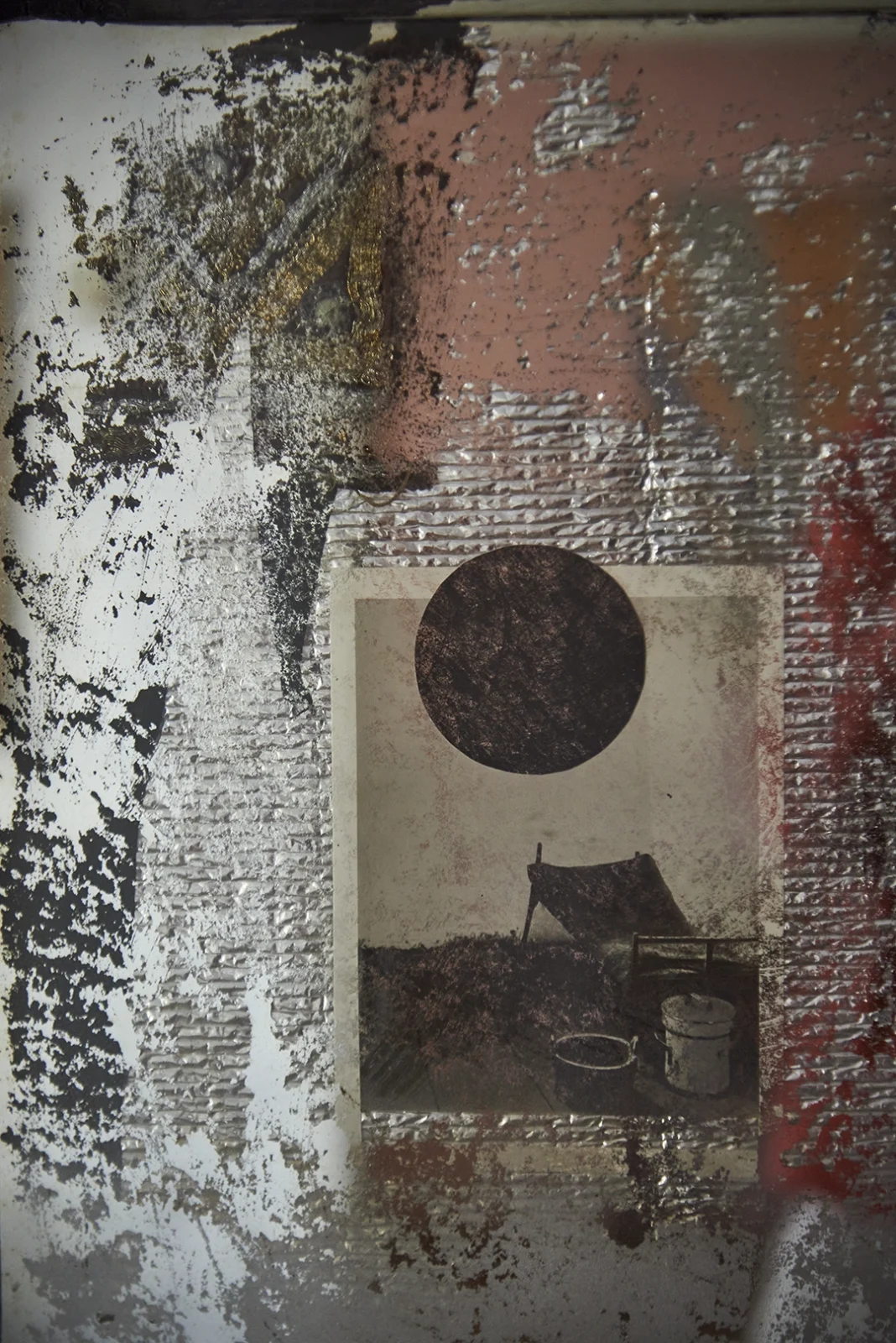
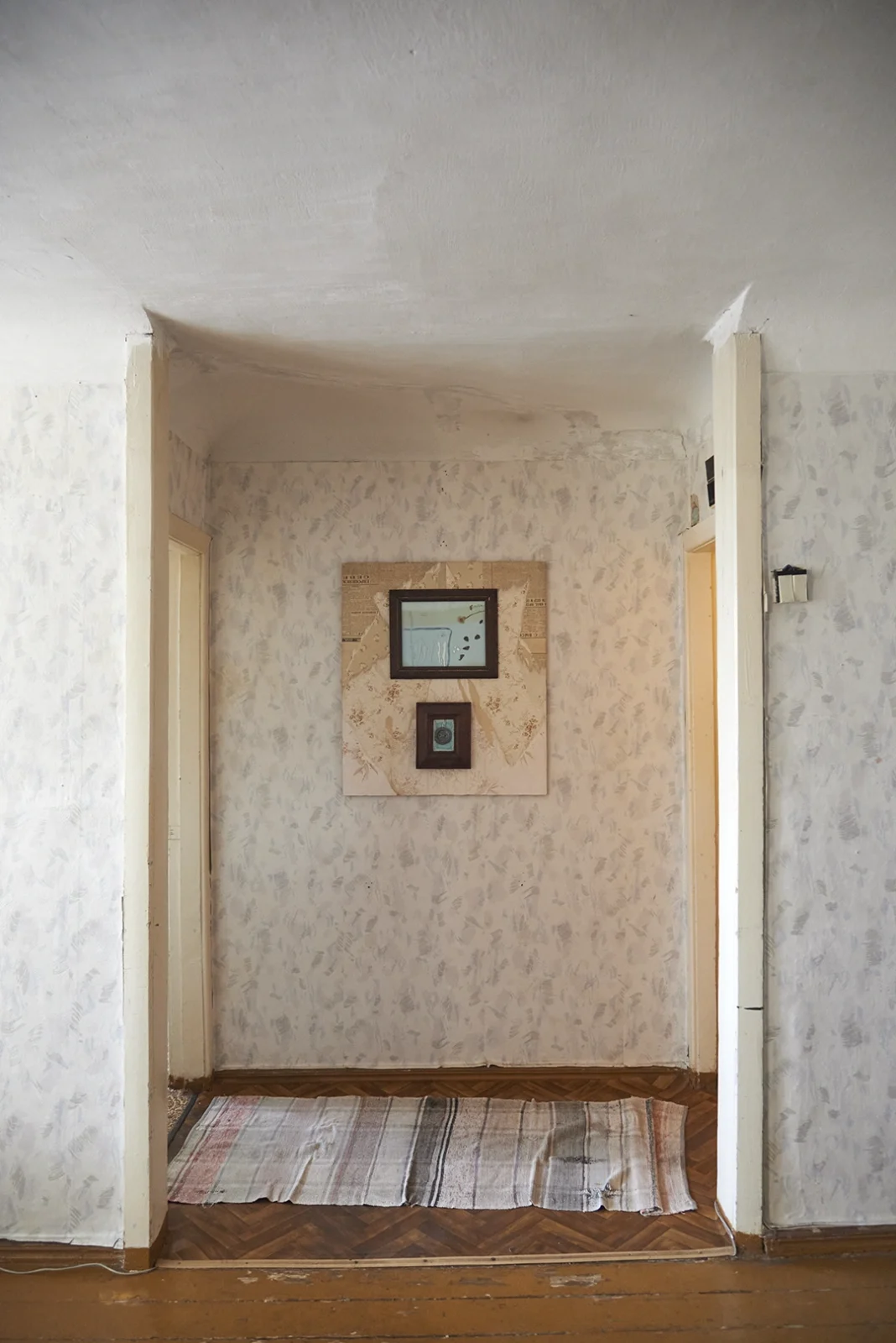
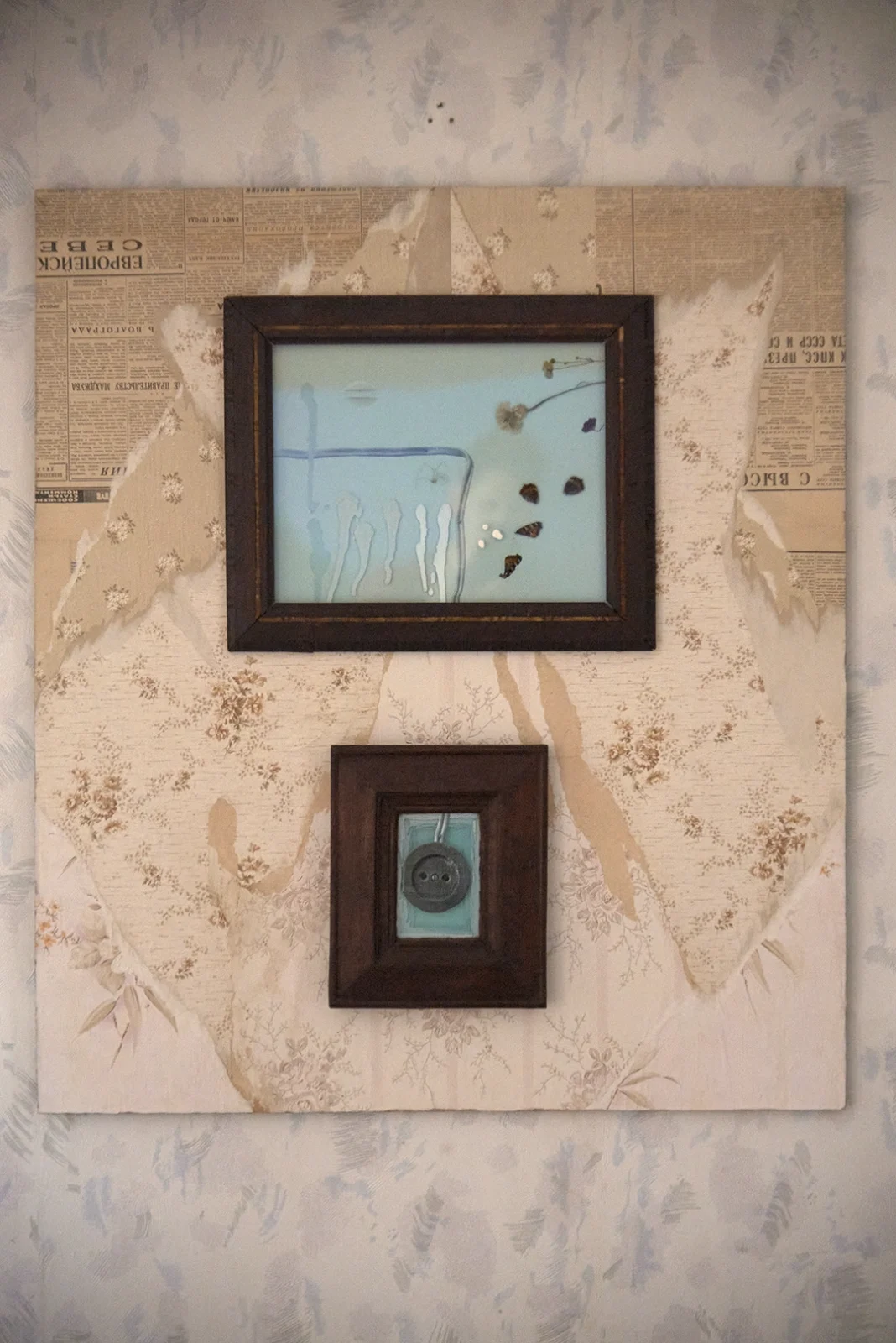
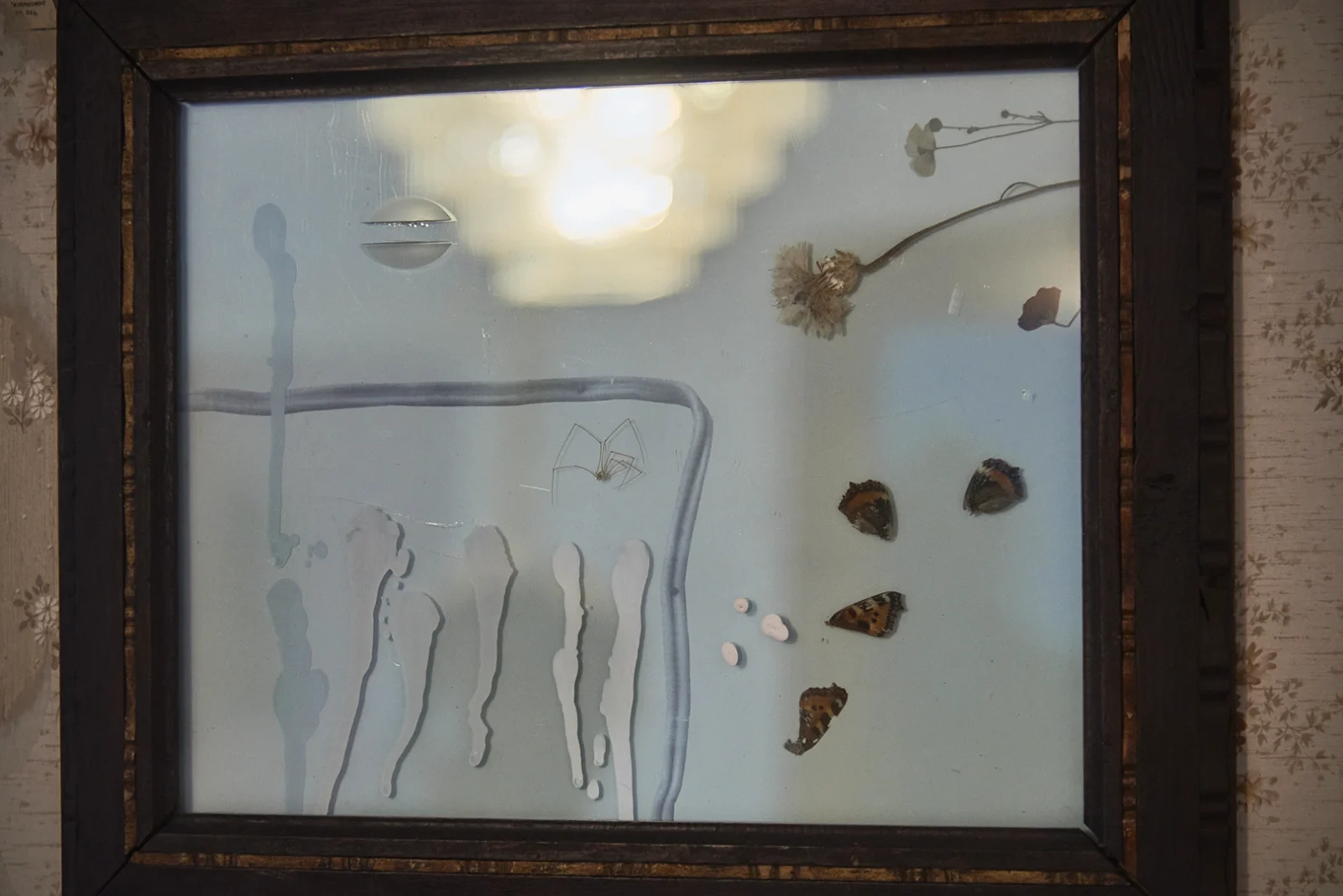
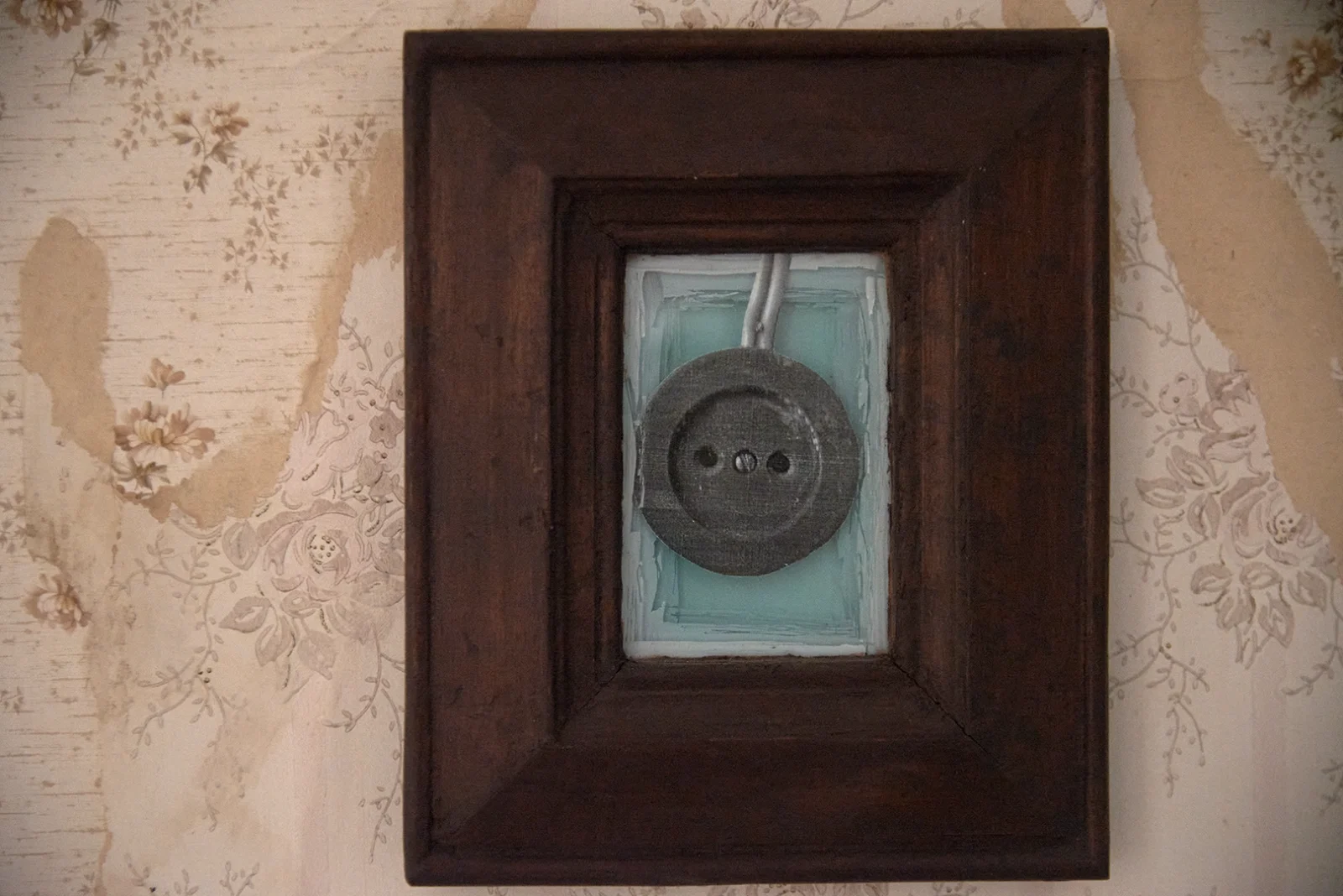
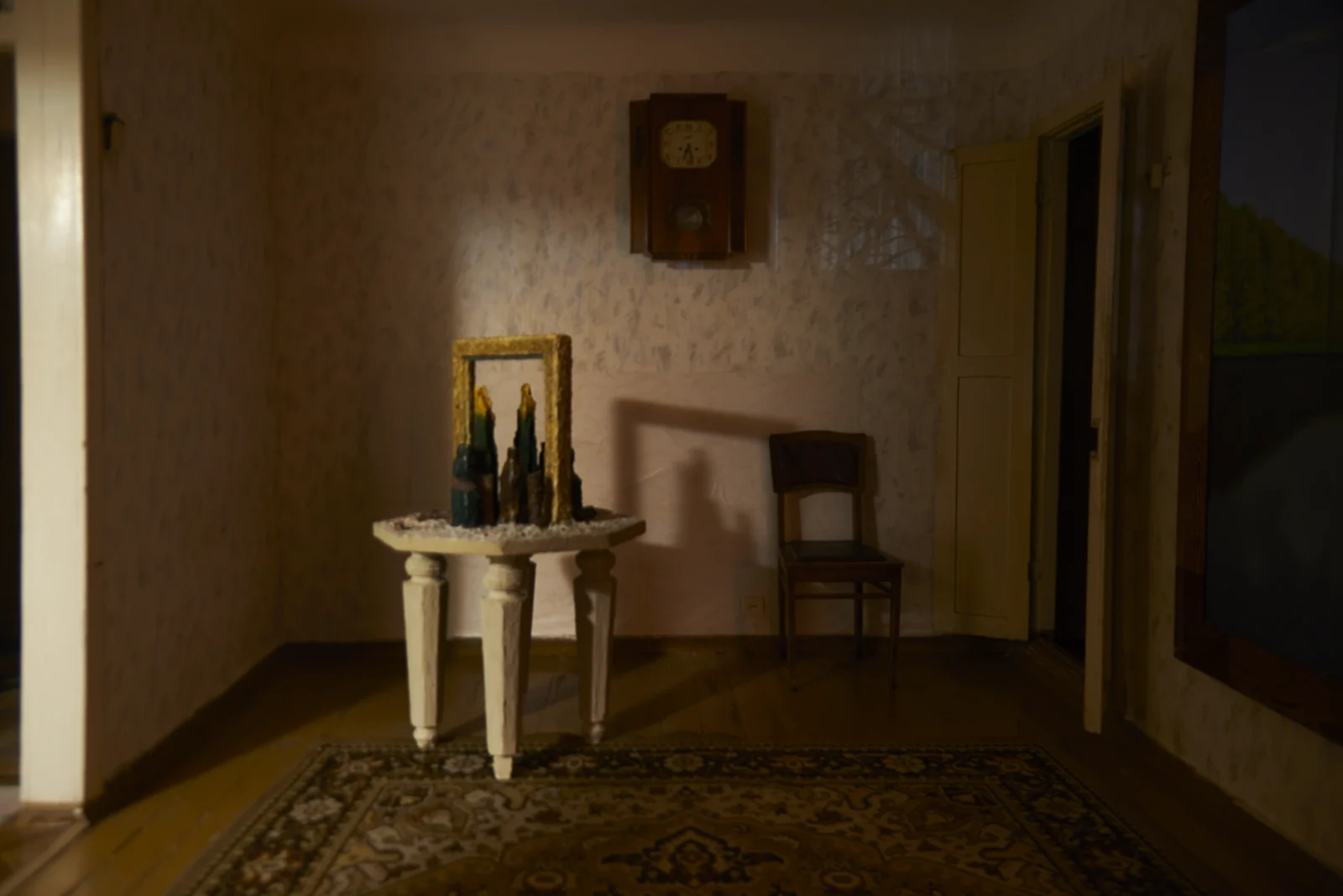
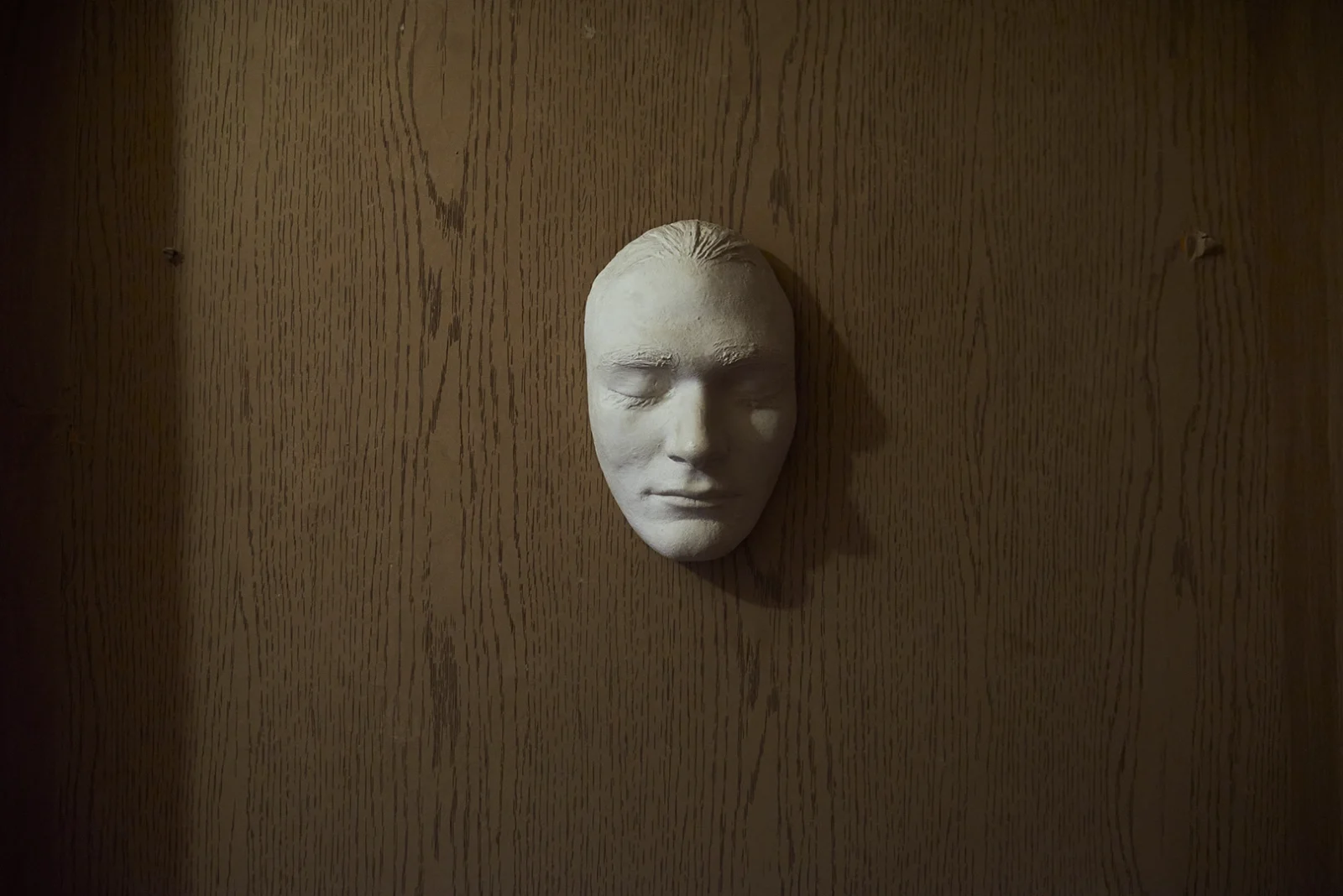
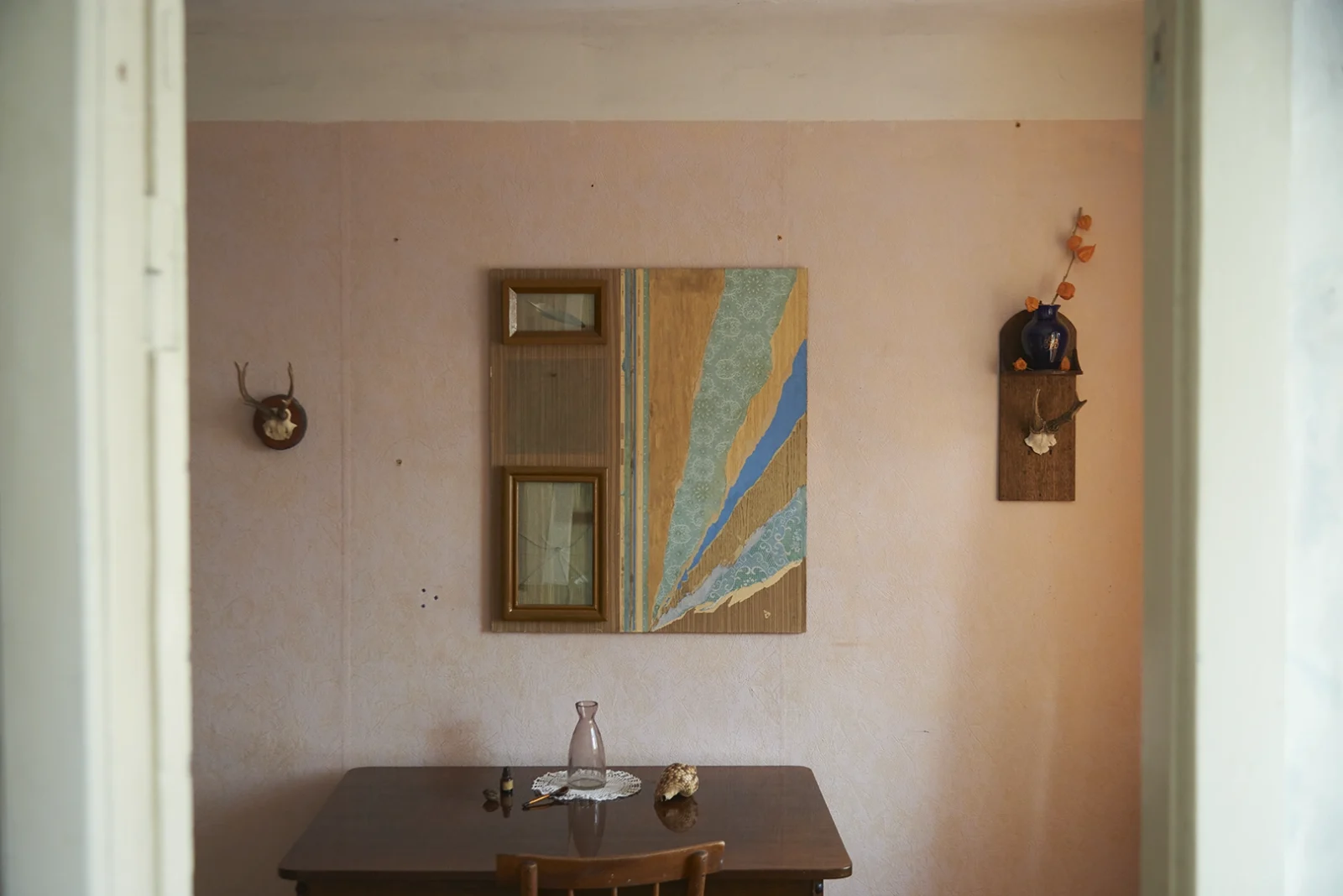
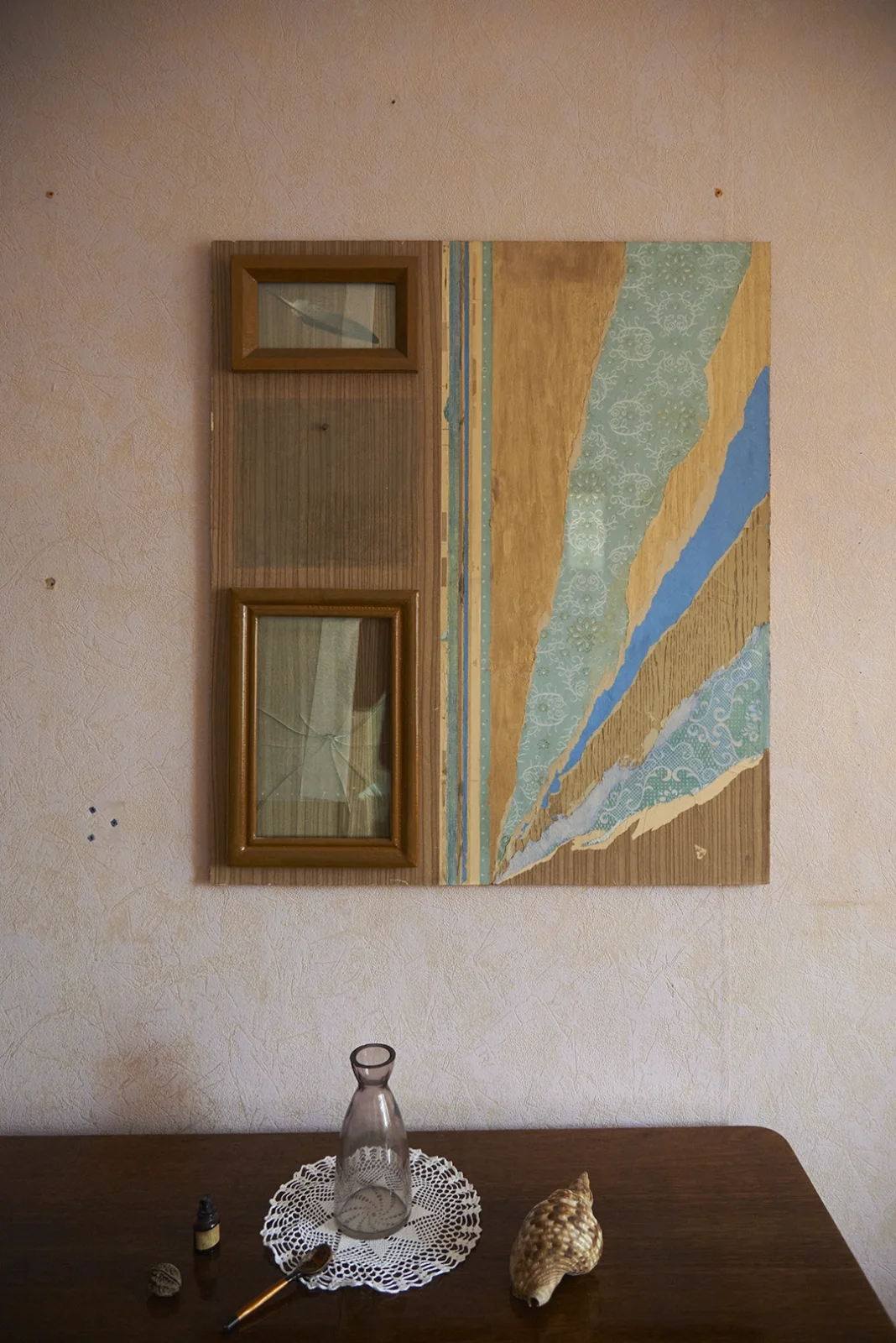
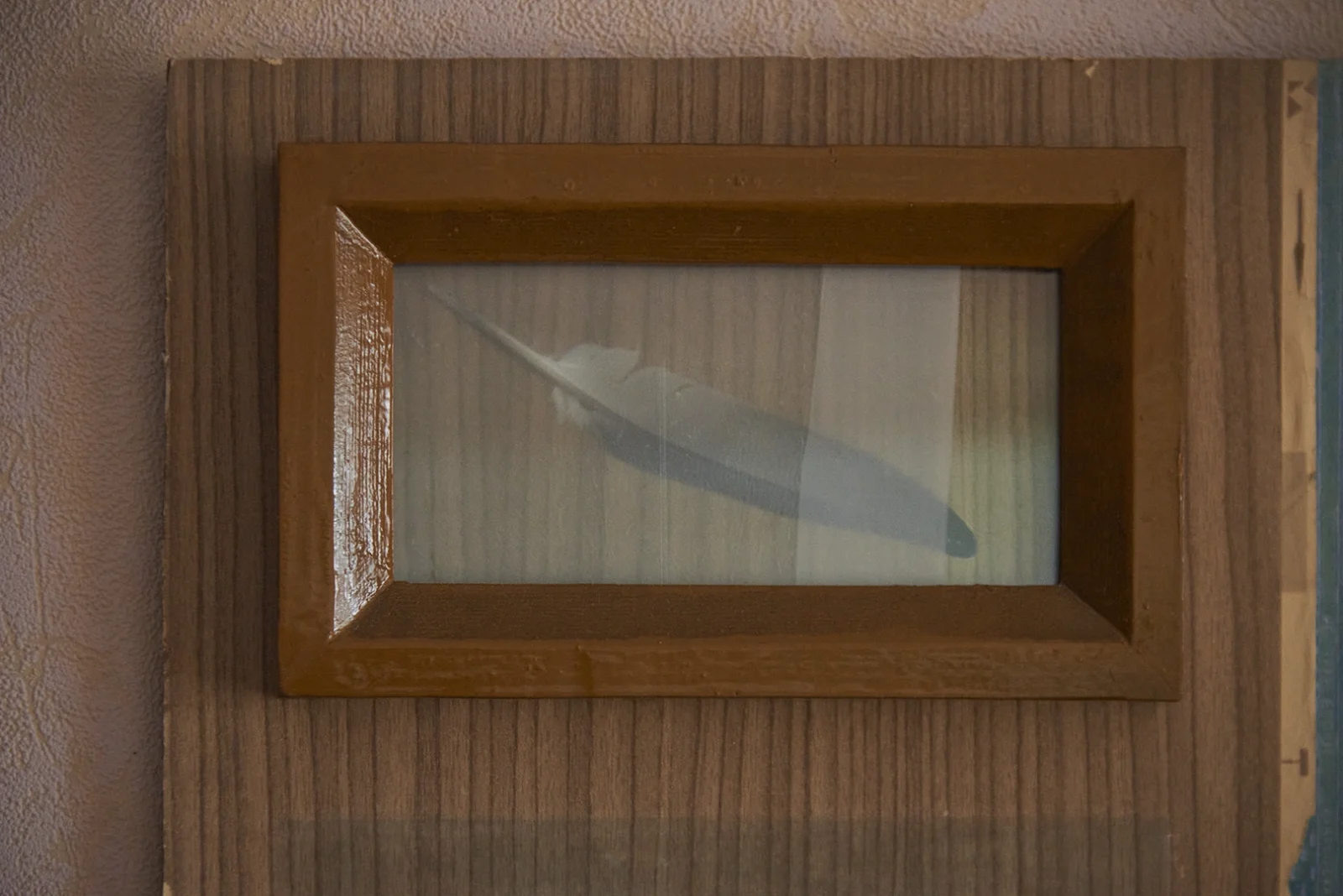
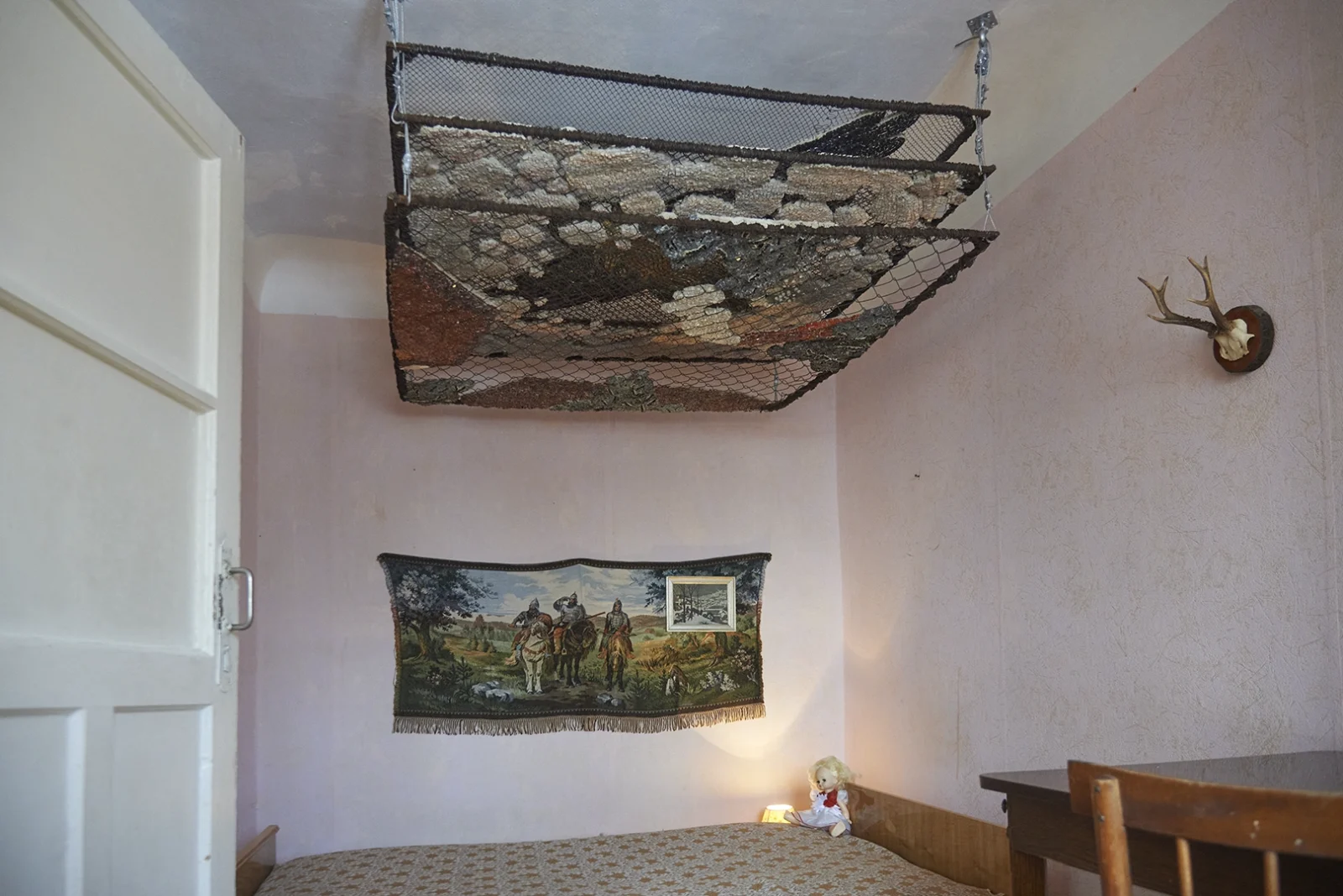
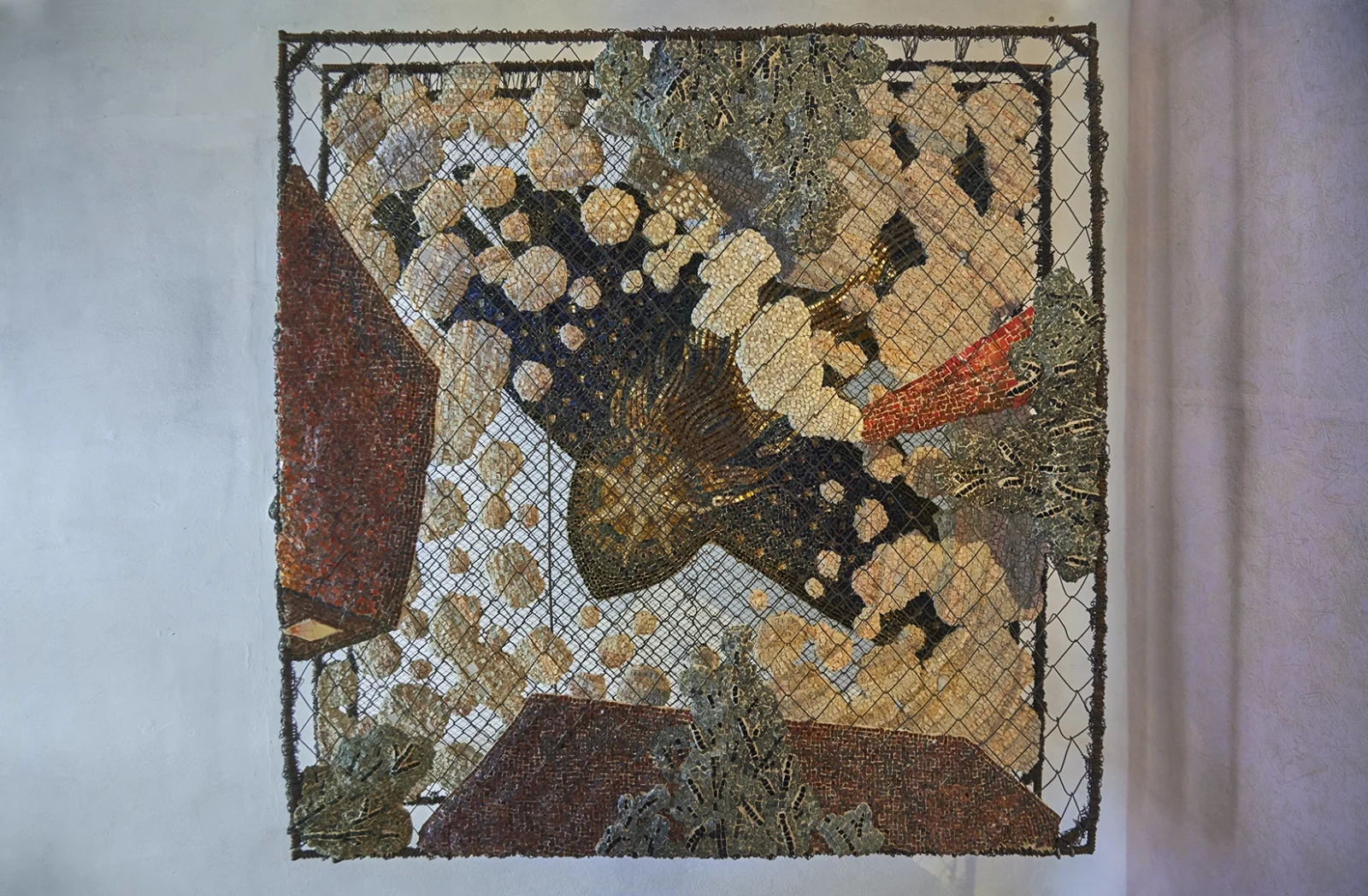
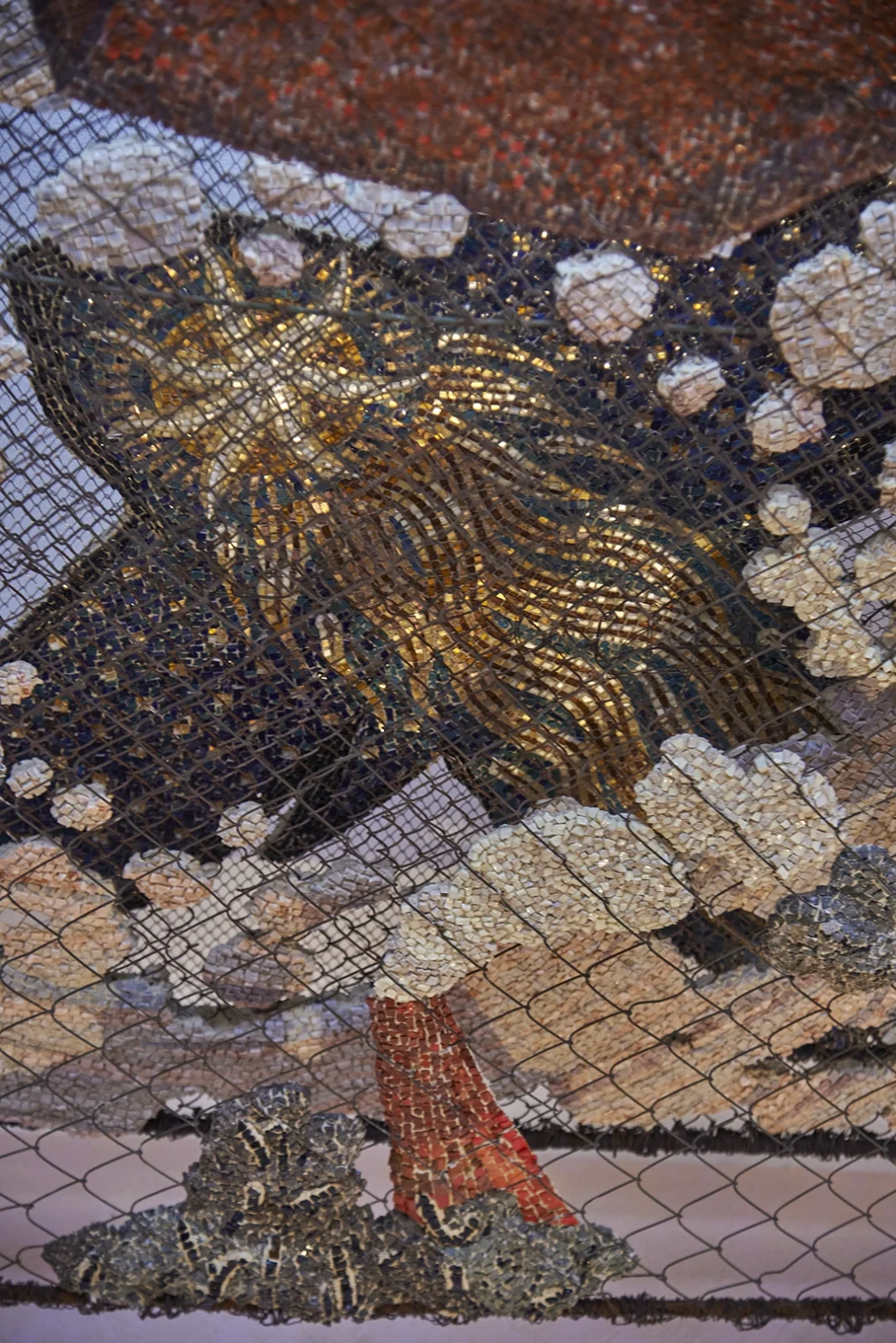
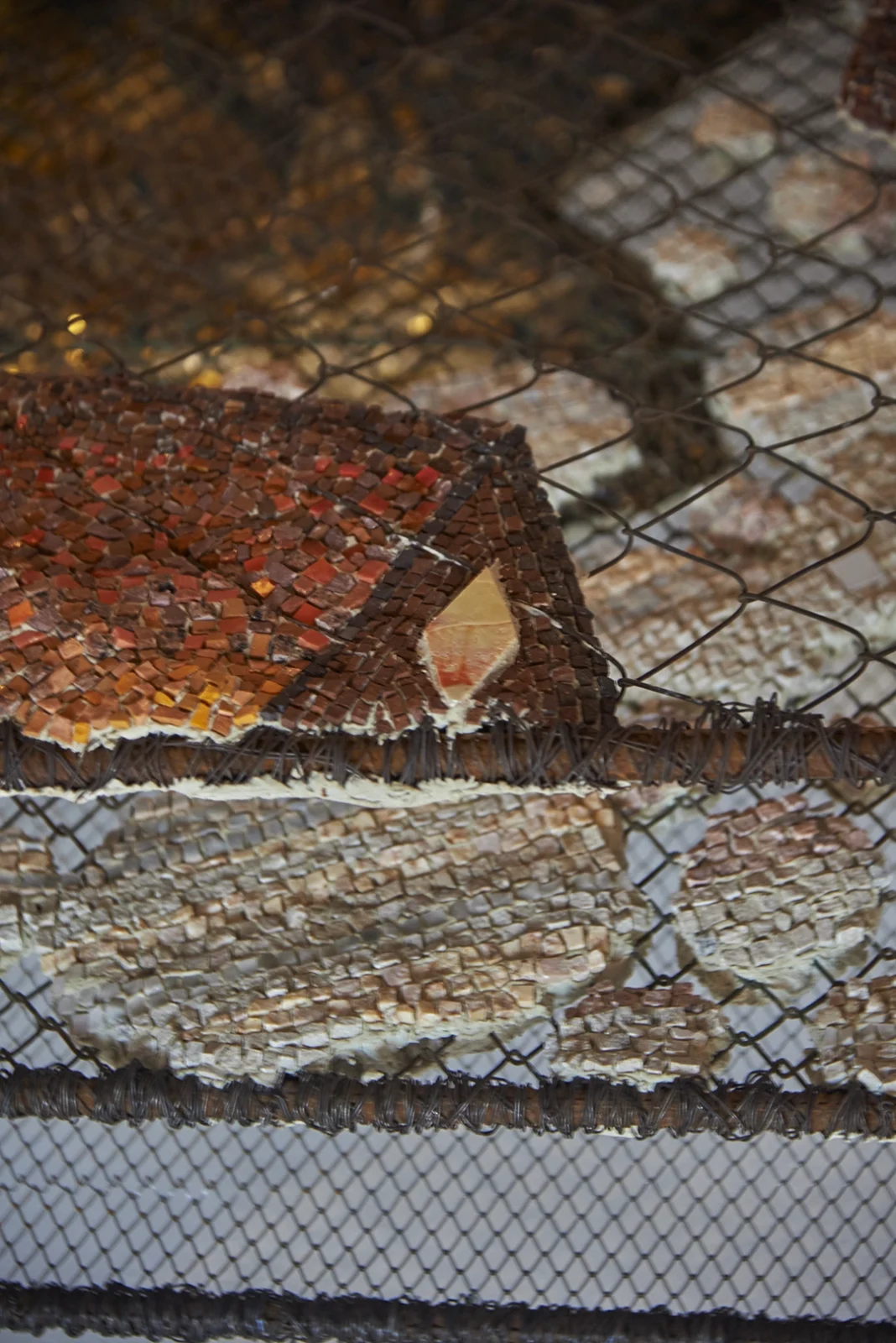
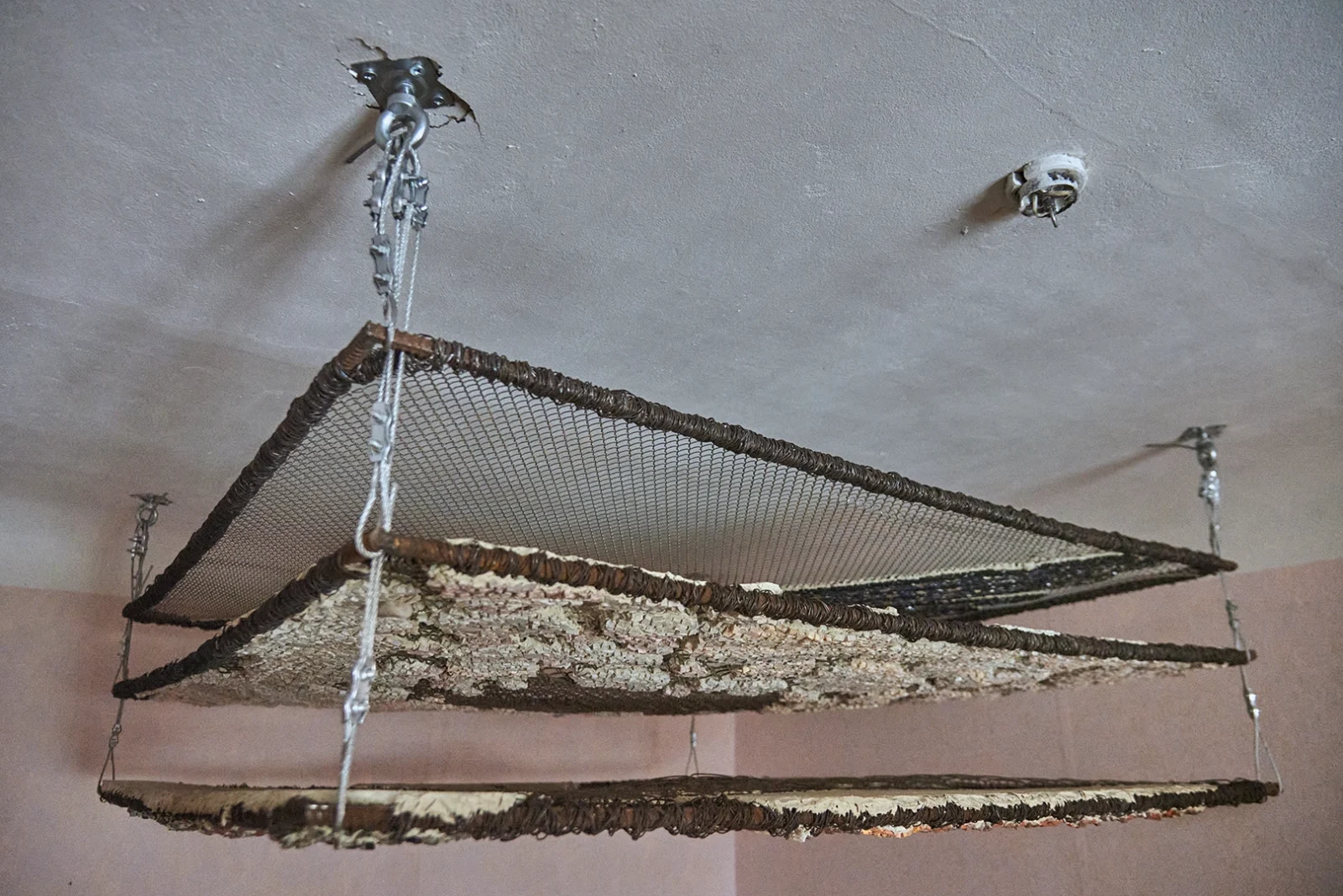
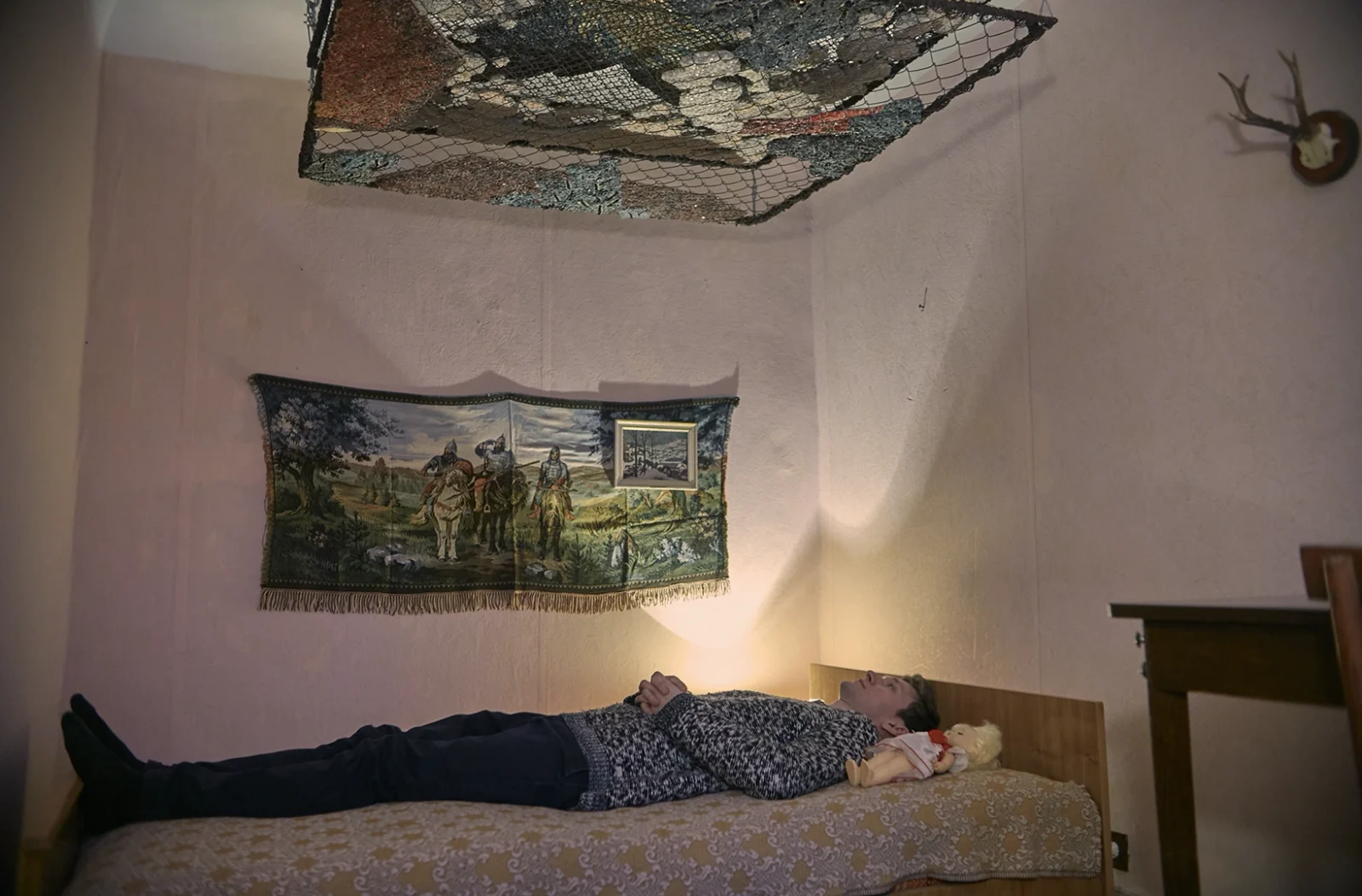
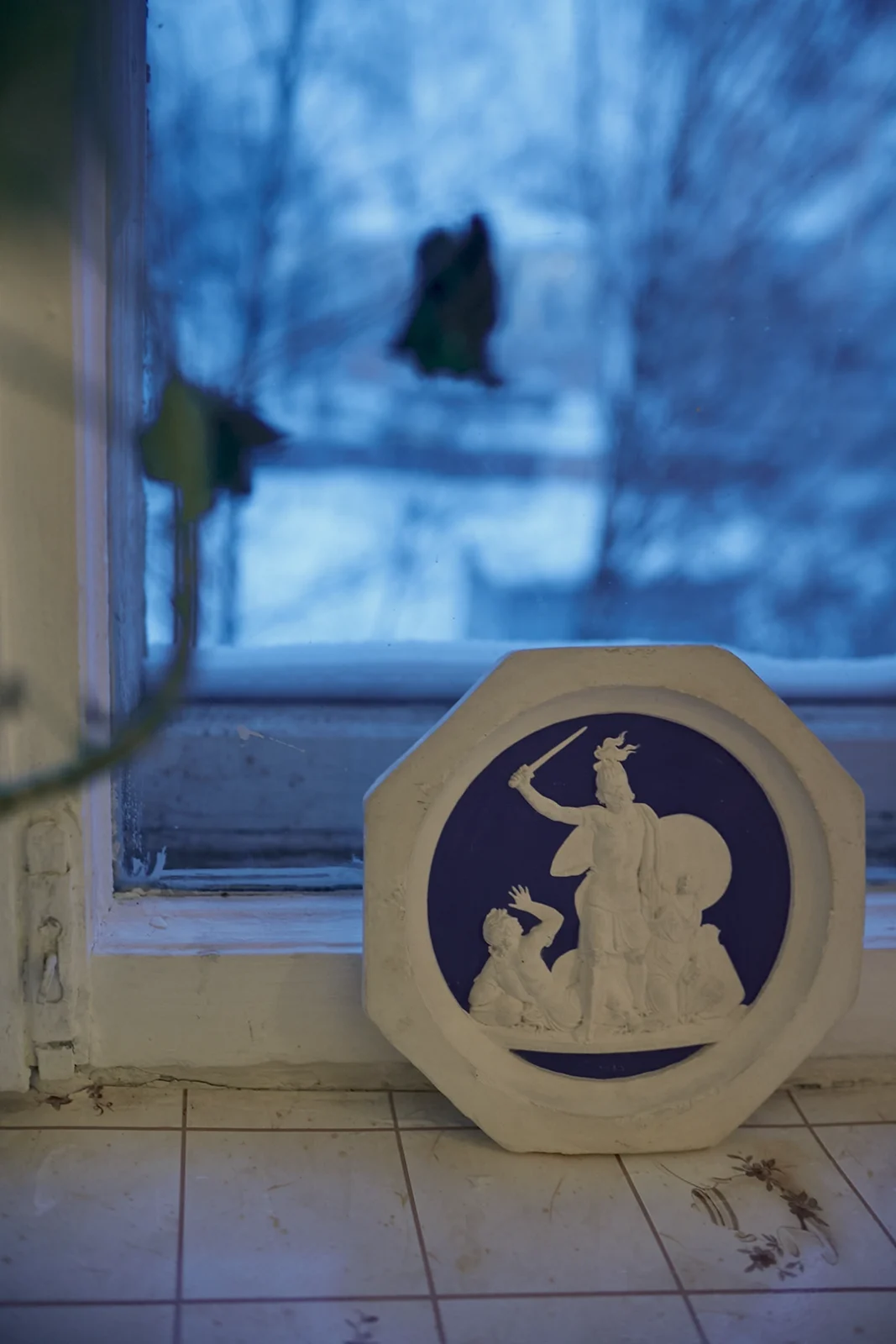
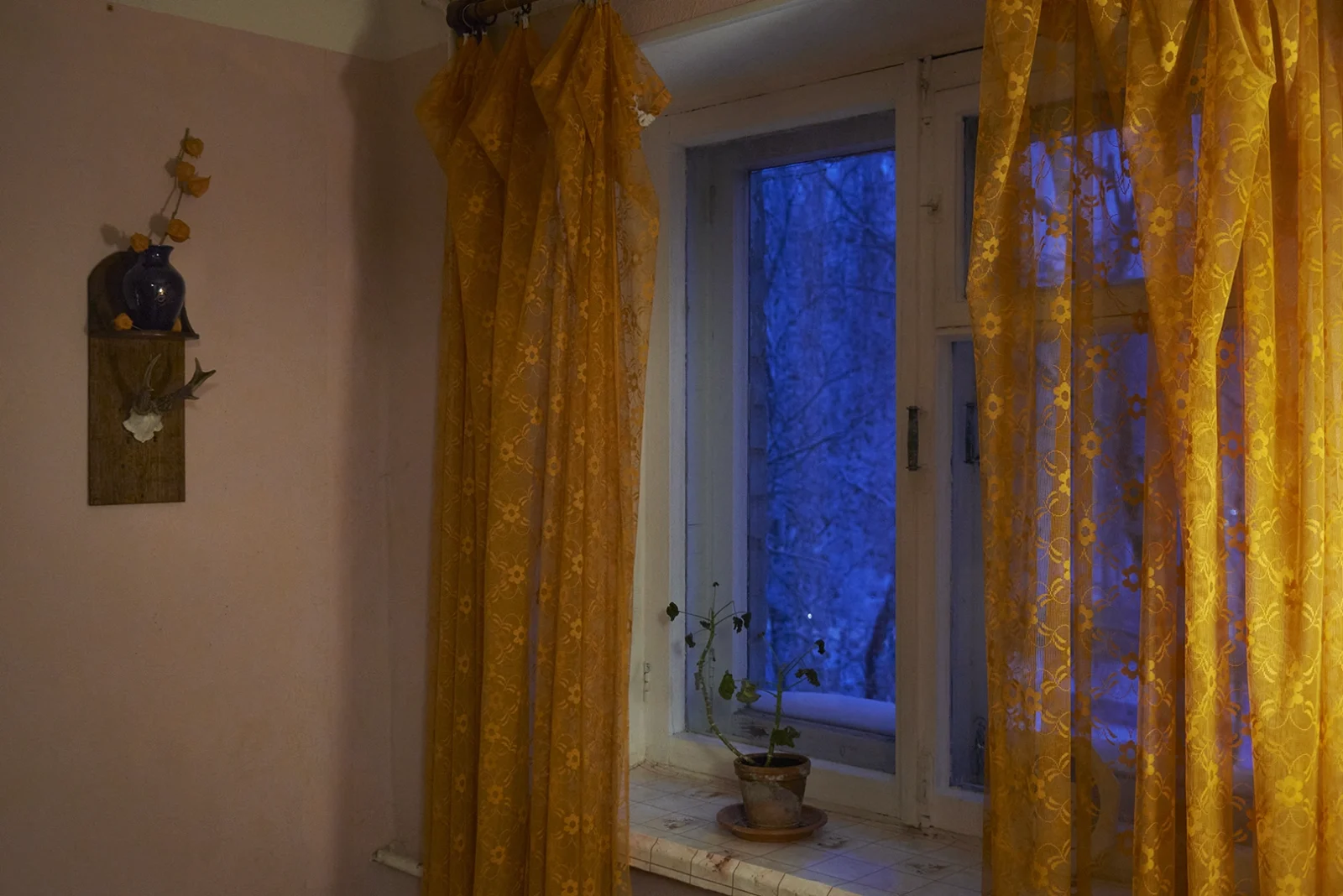
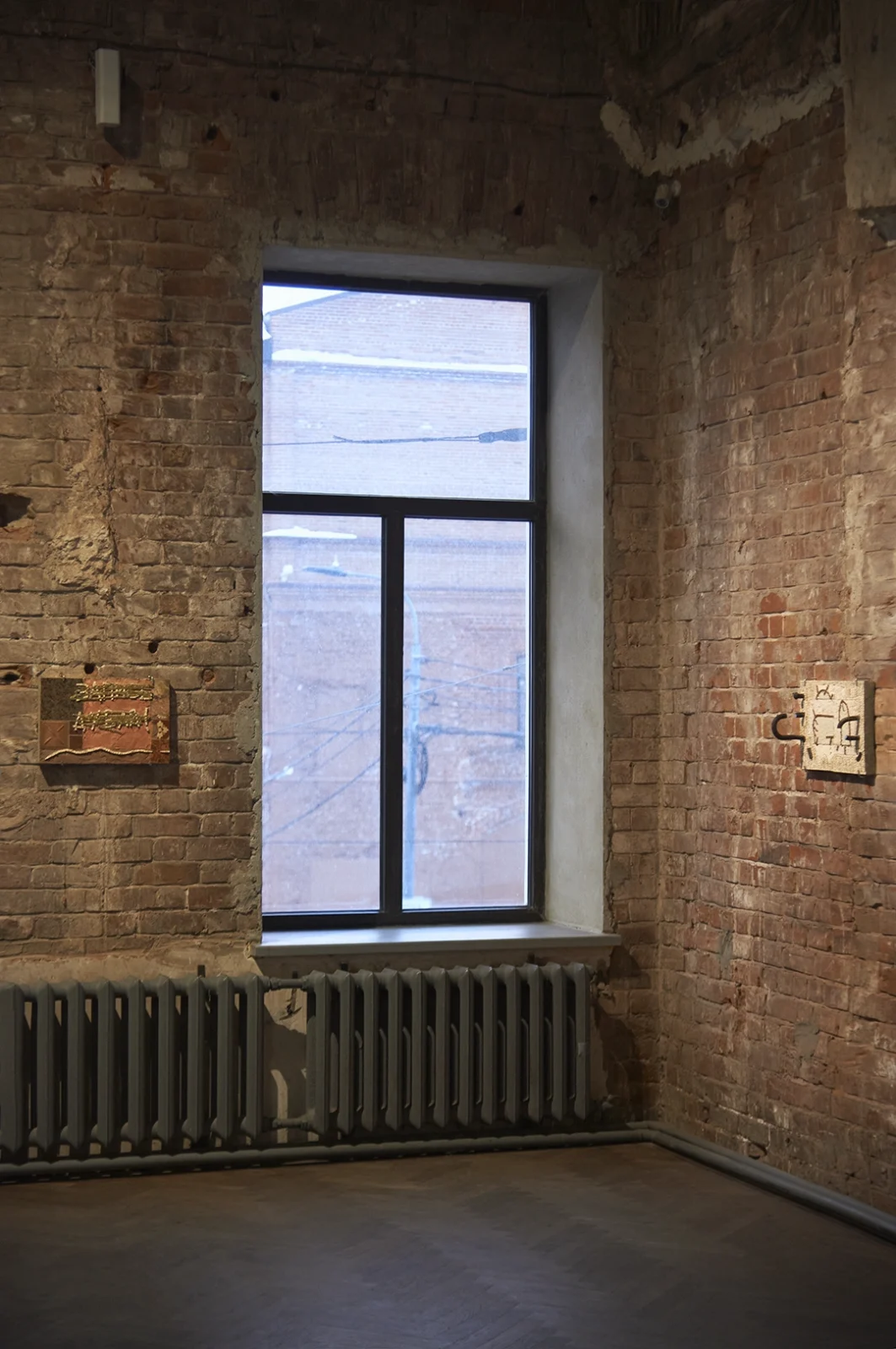
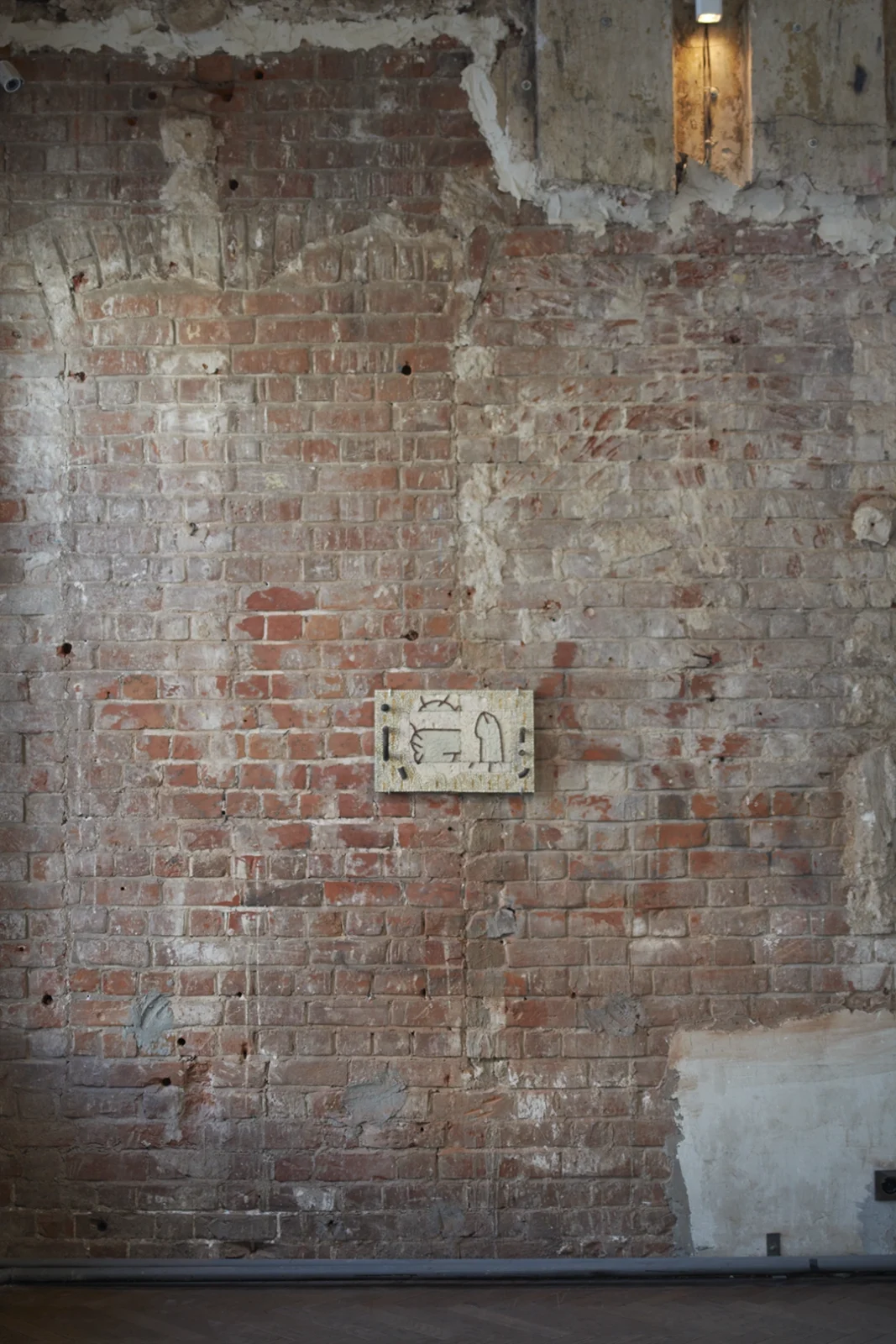
2021, Futuro gallery, Nizhny Novgorod
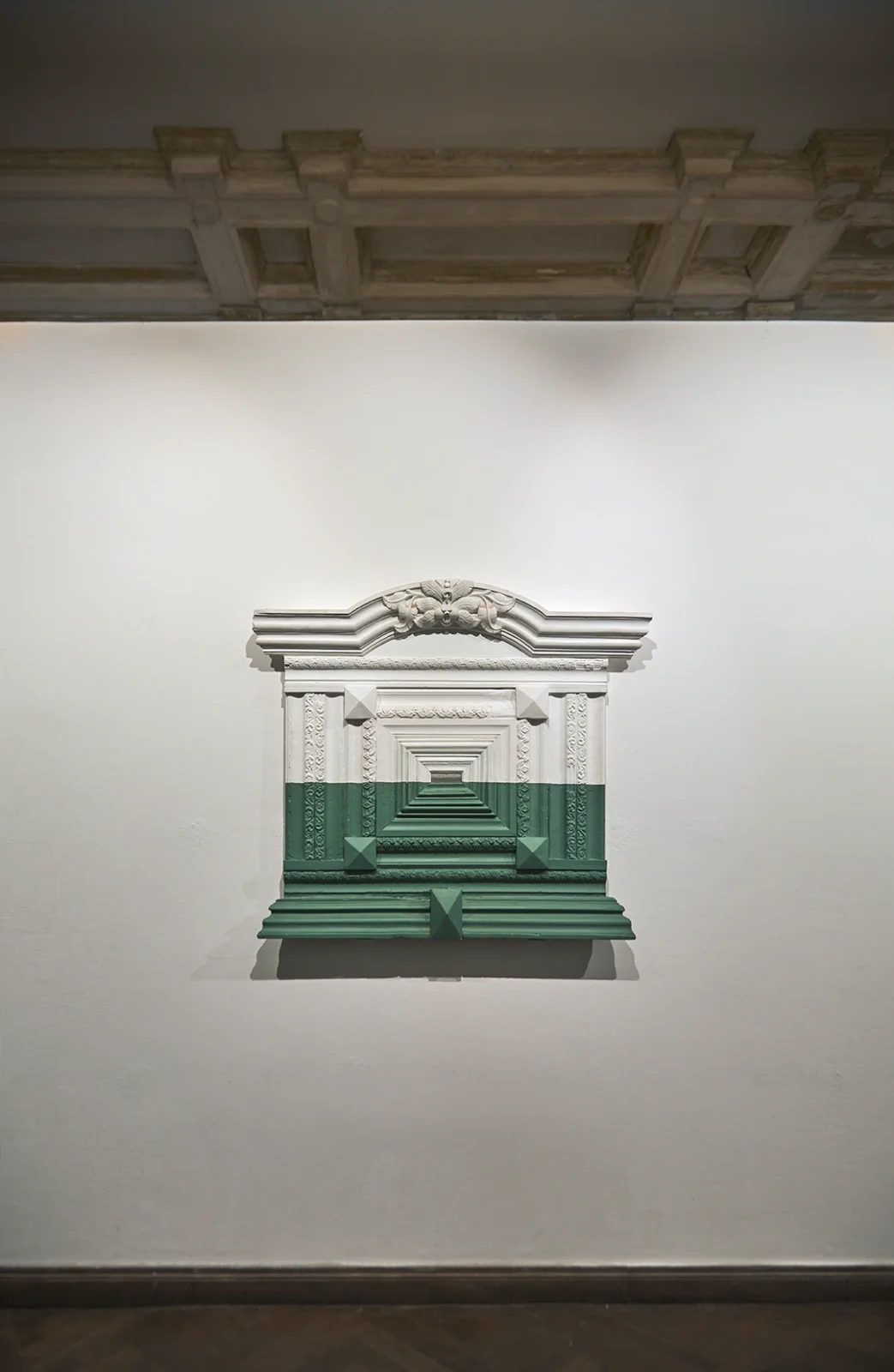
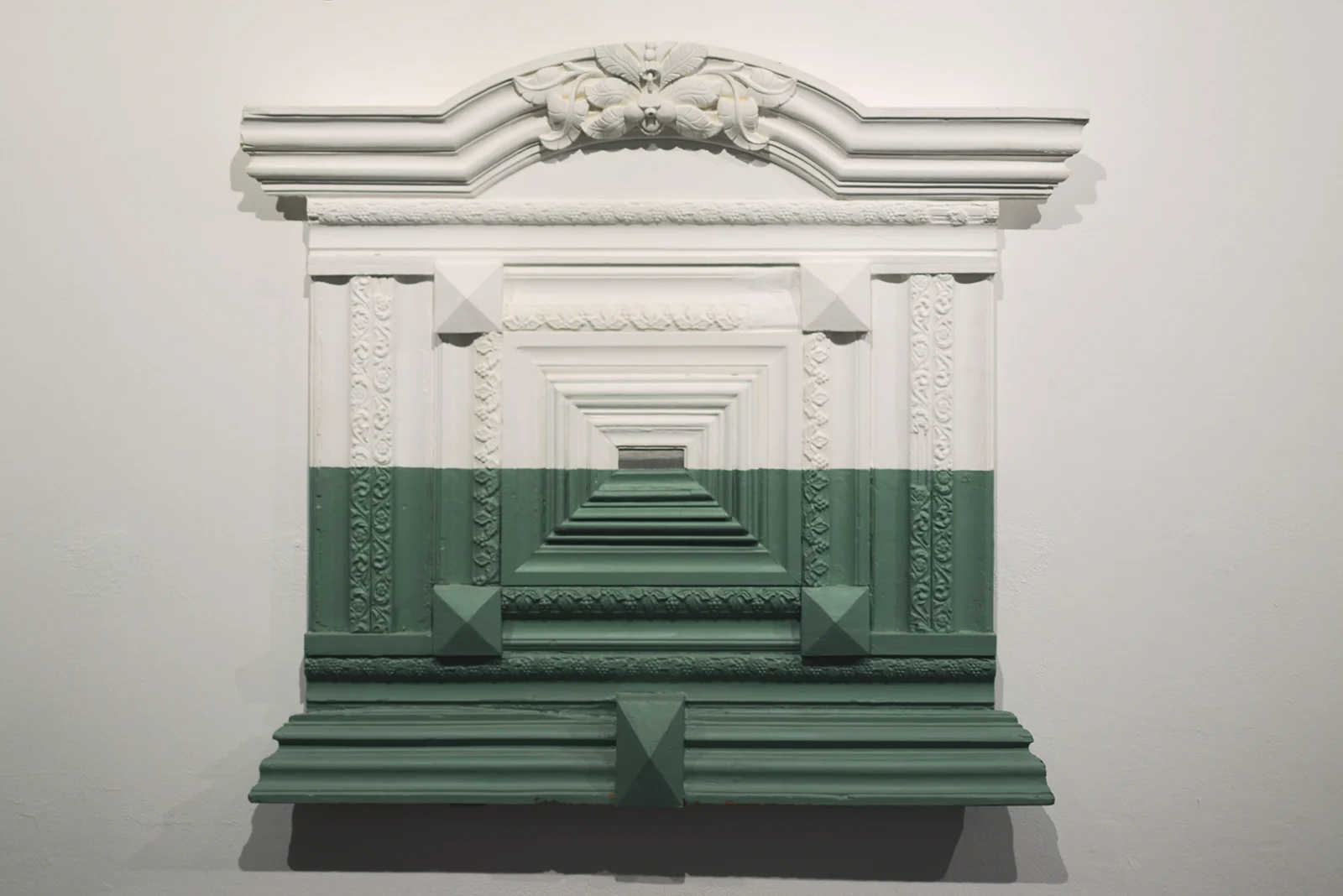
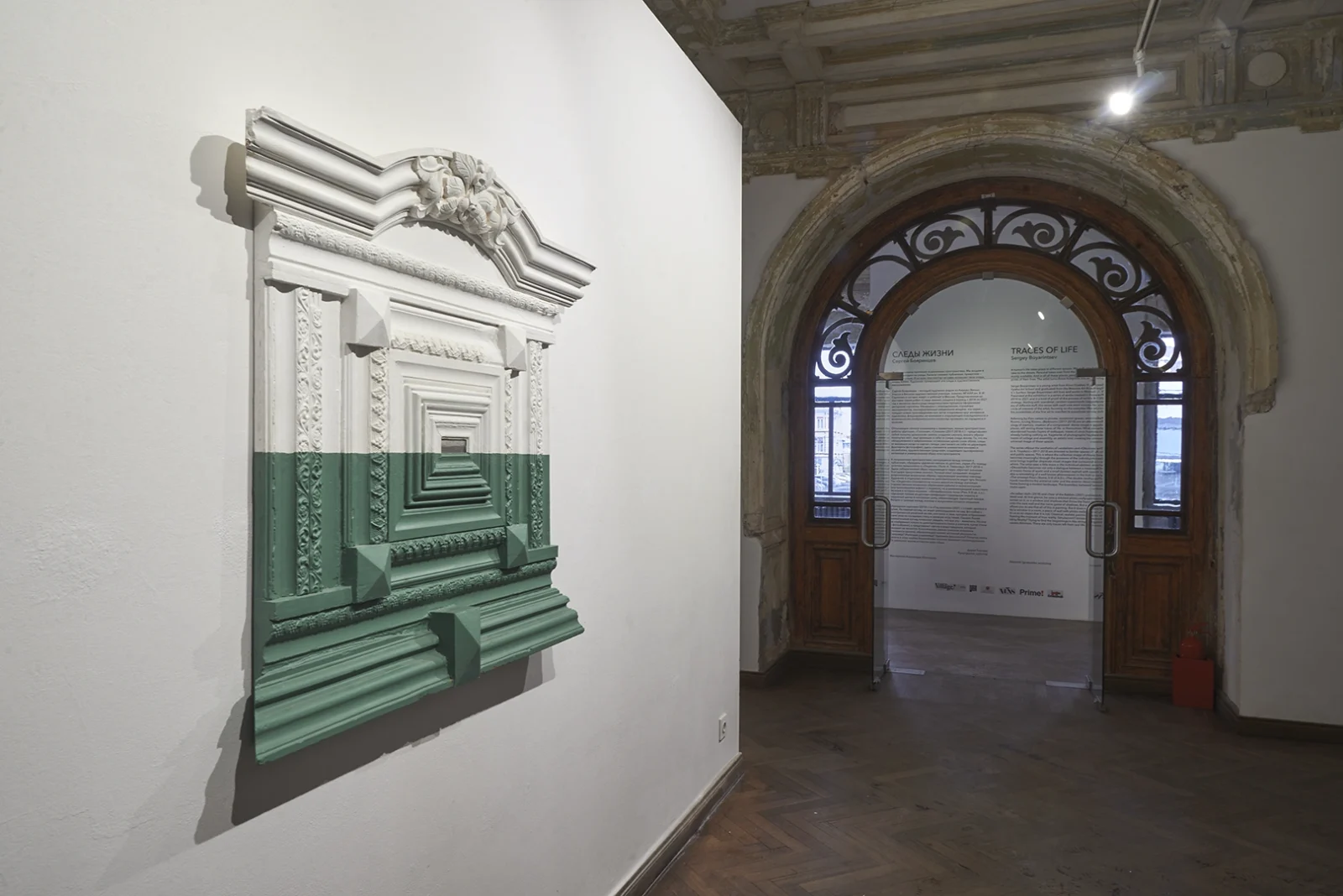
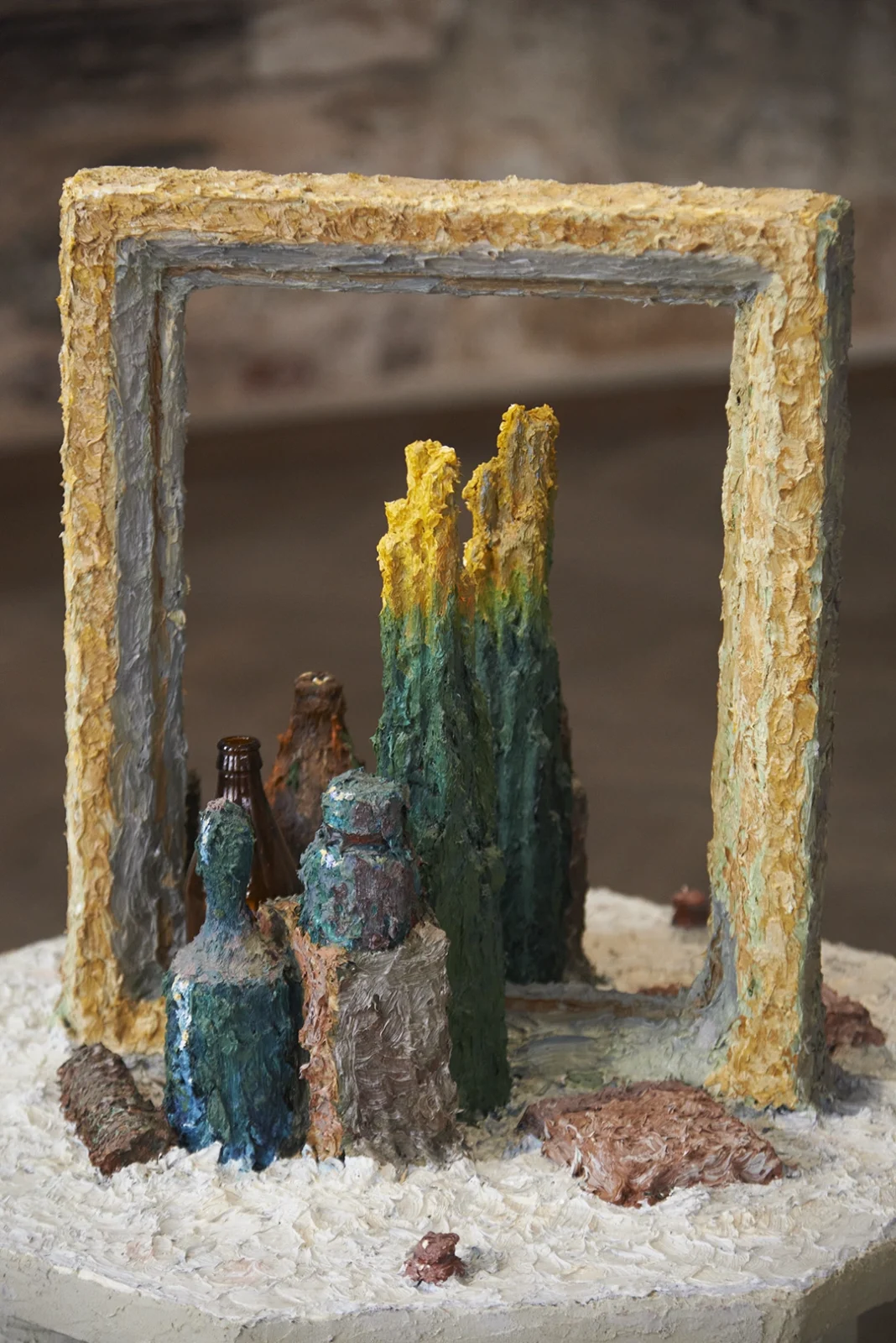
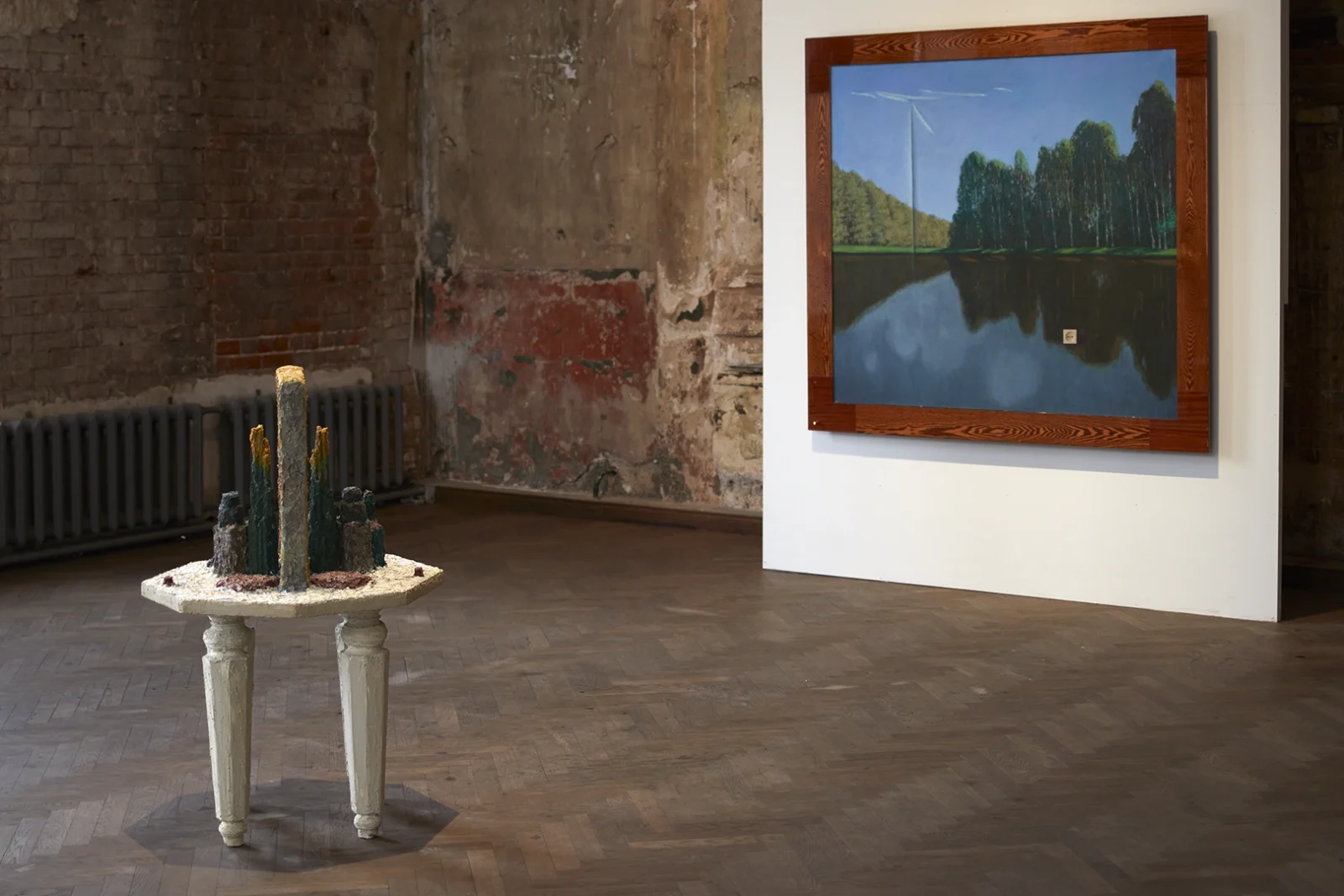
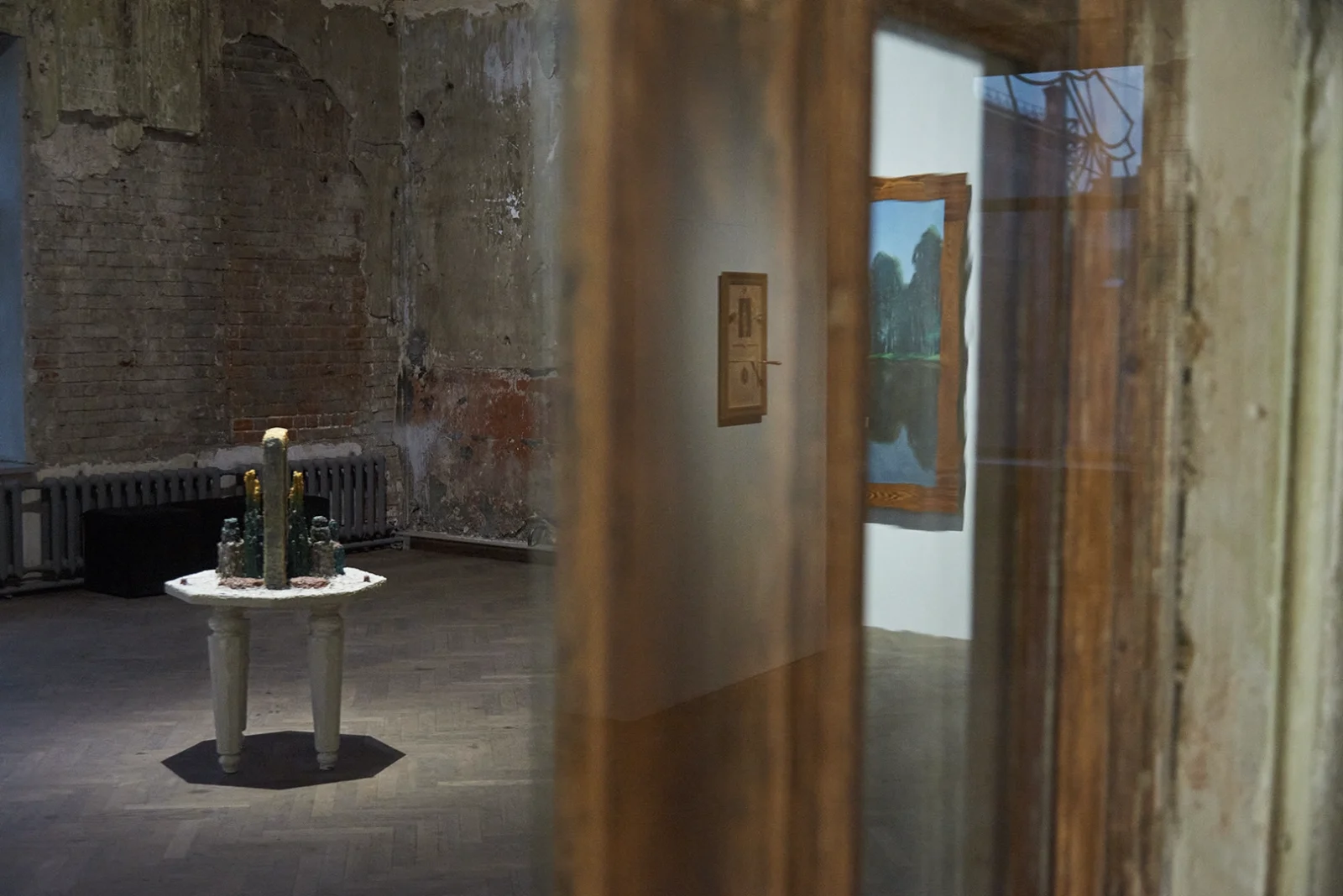
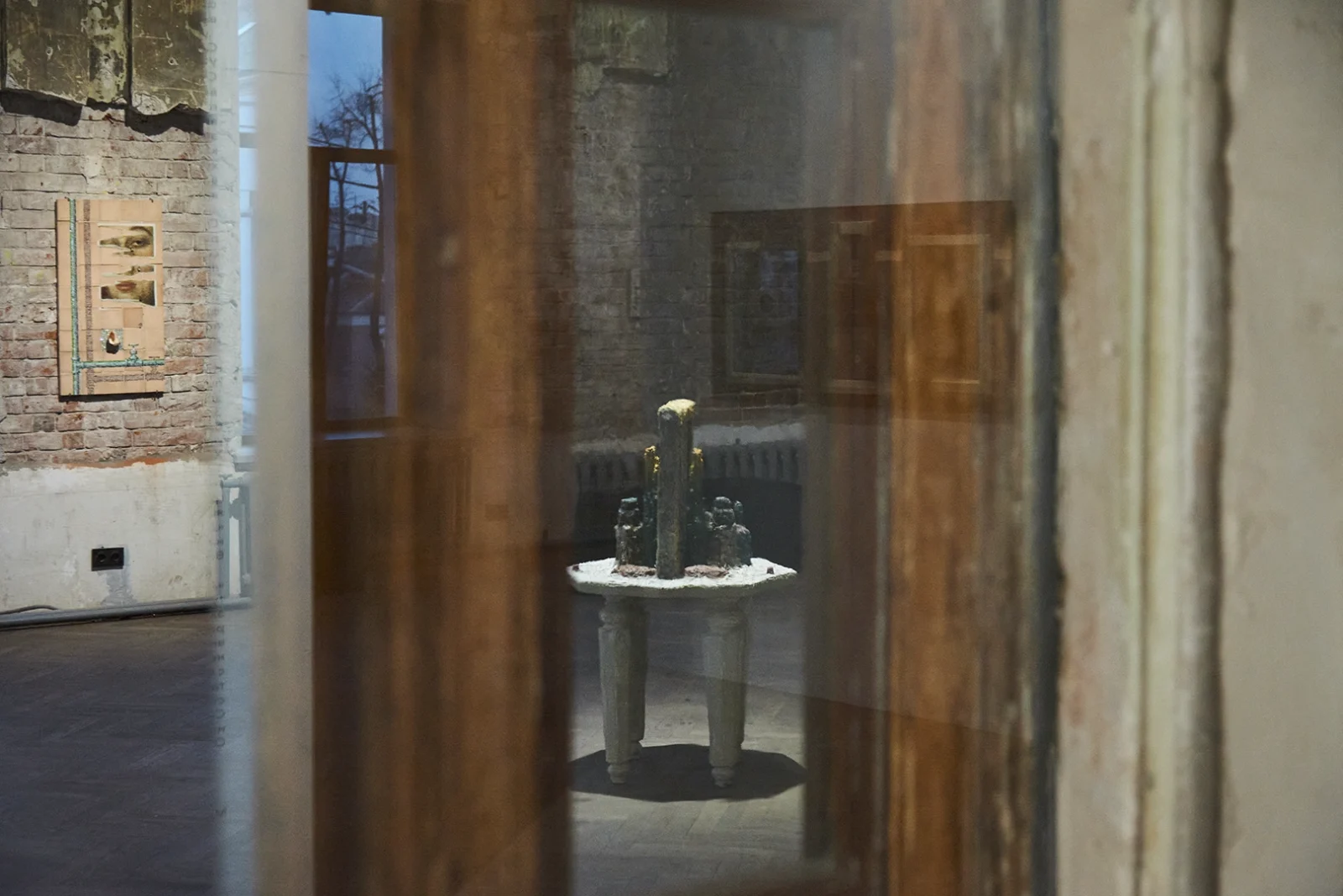
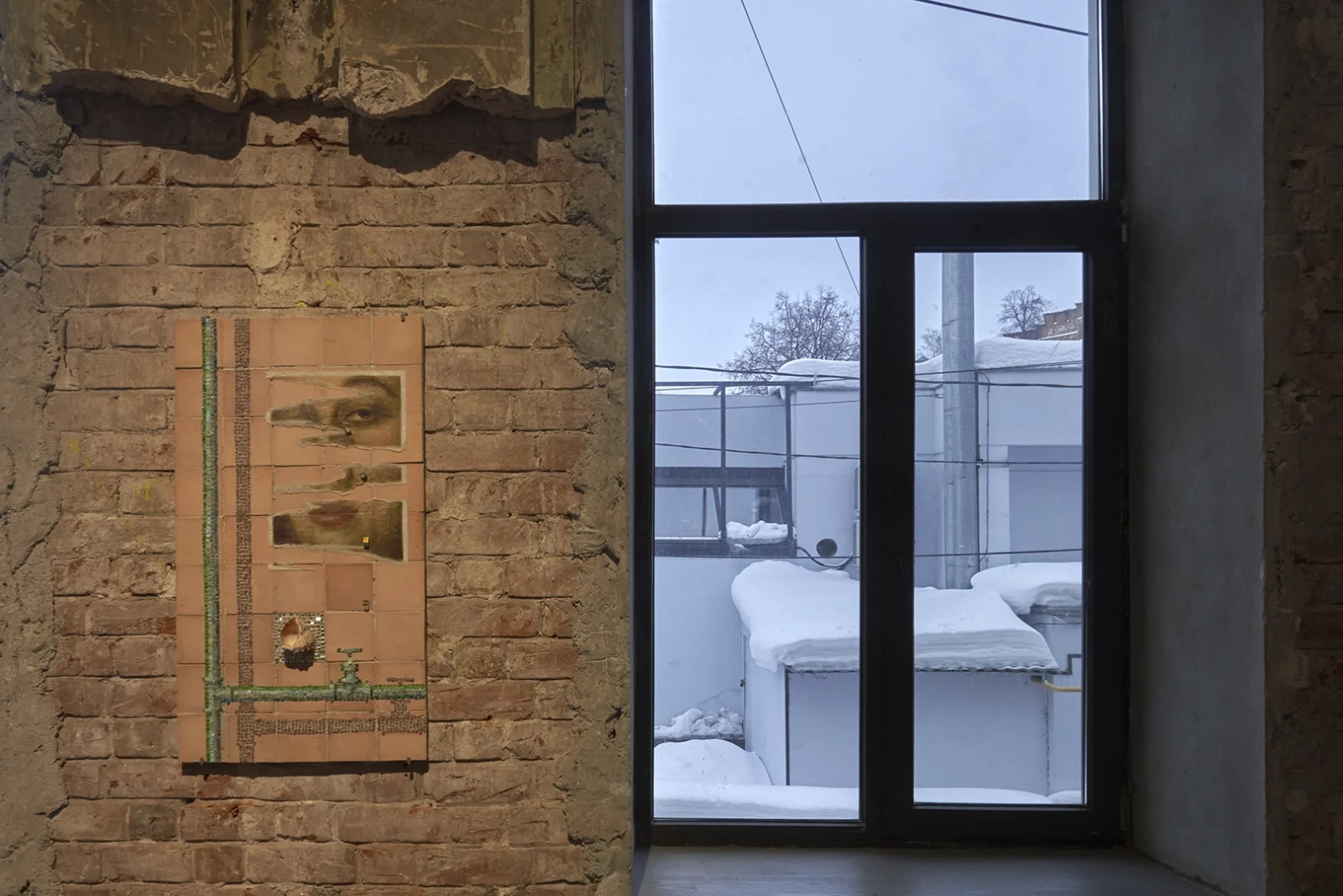
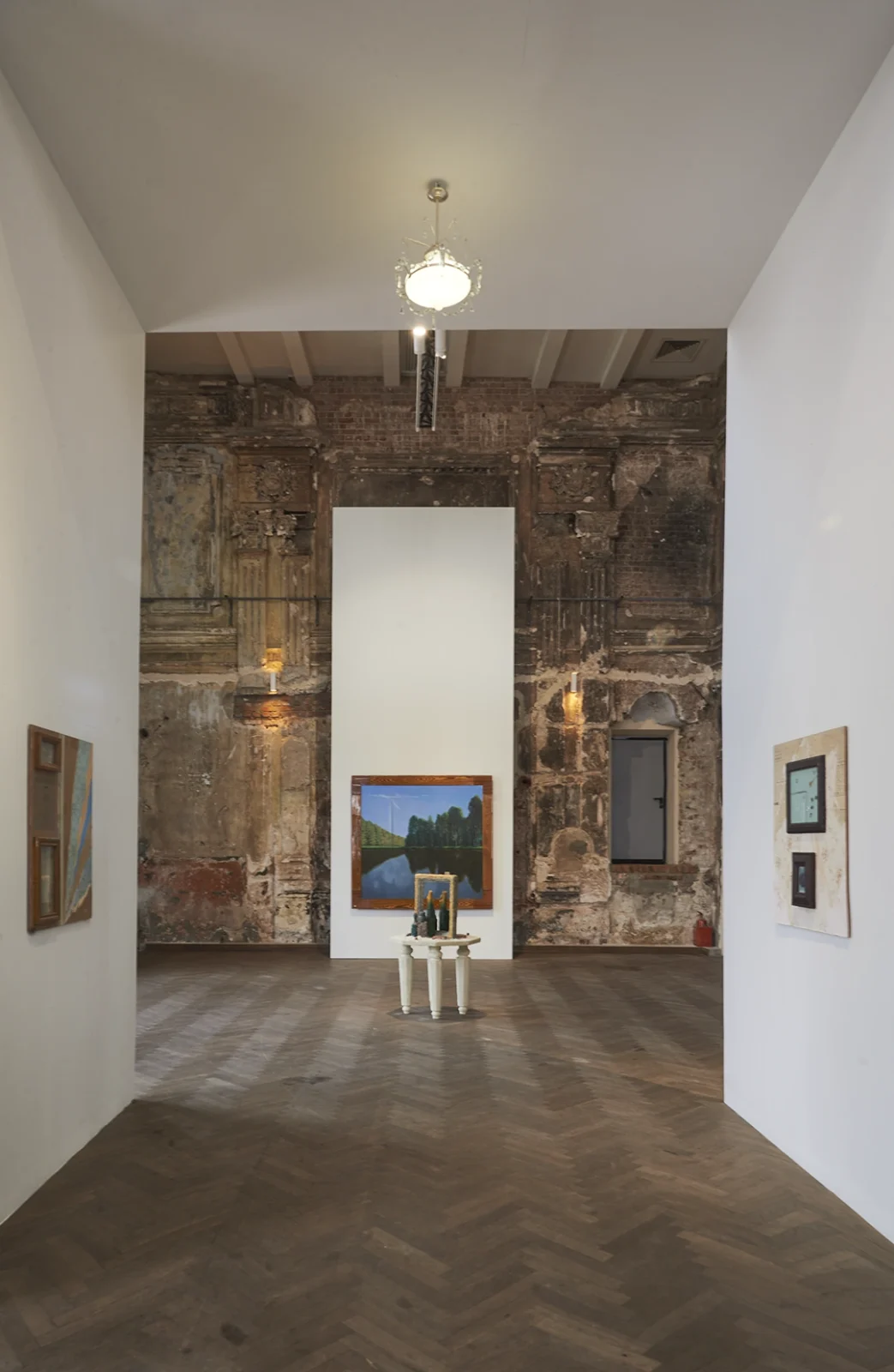
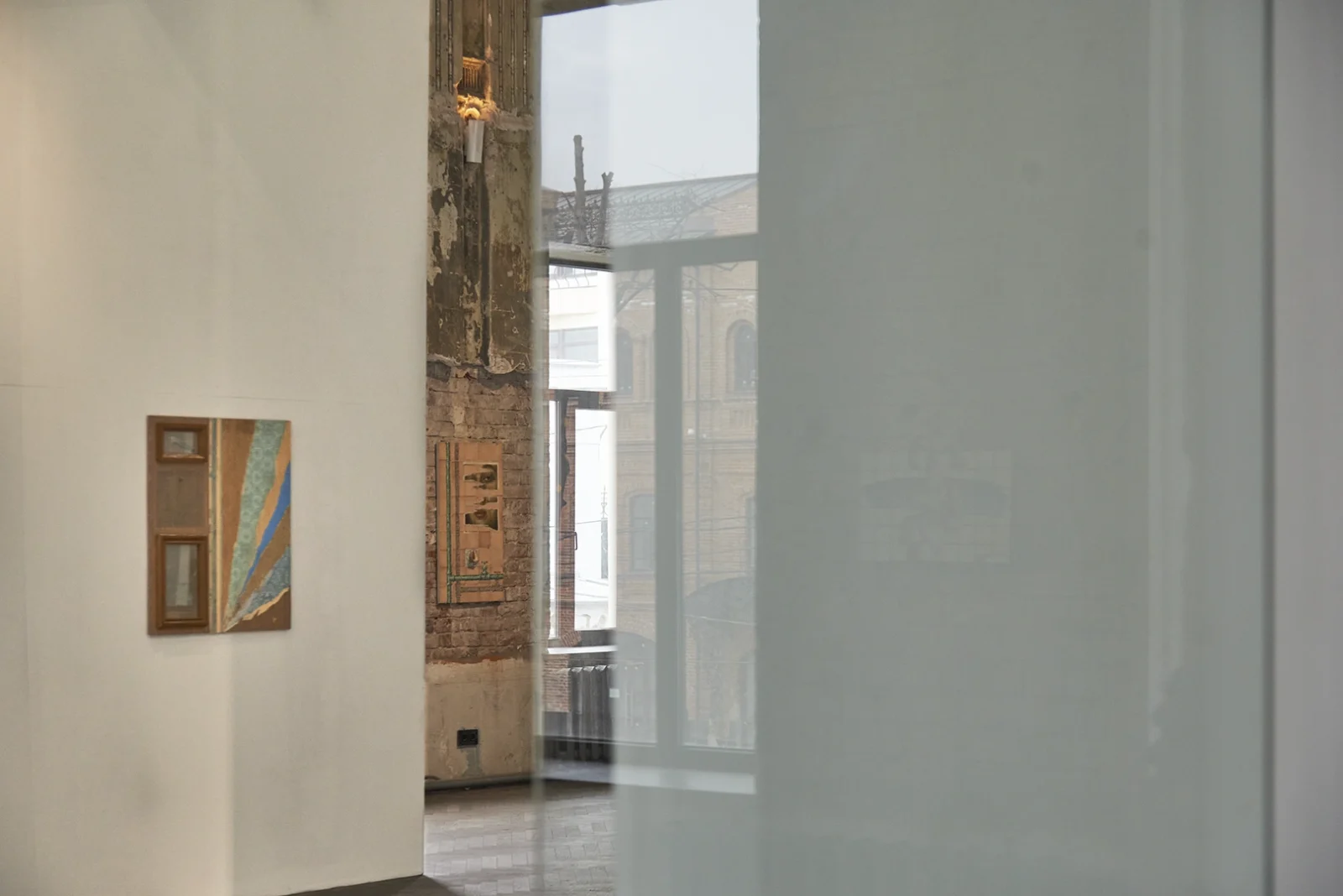
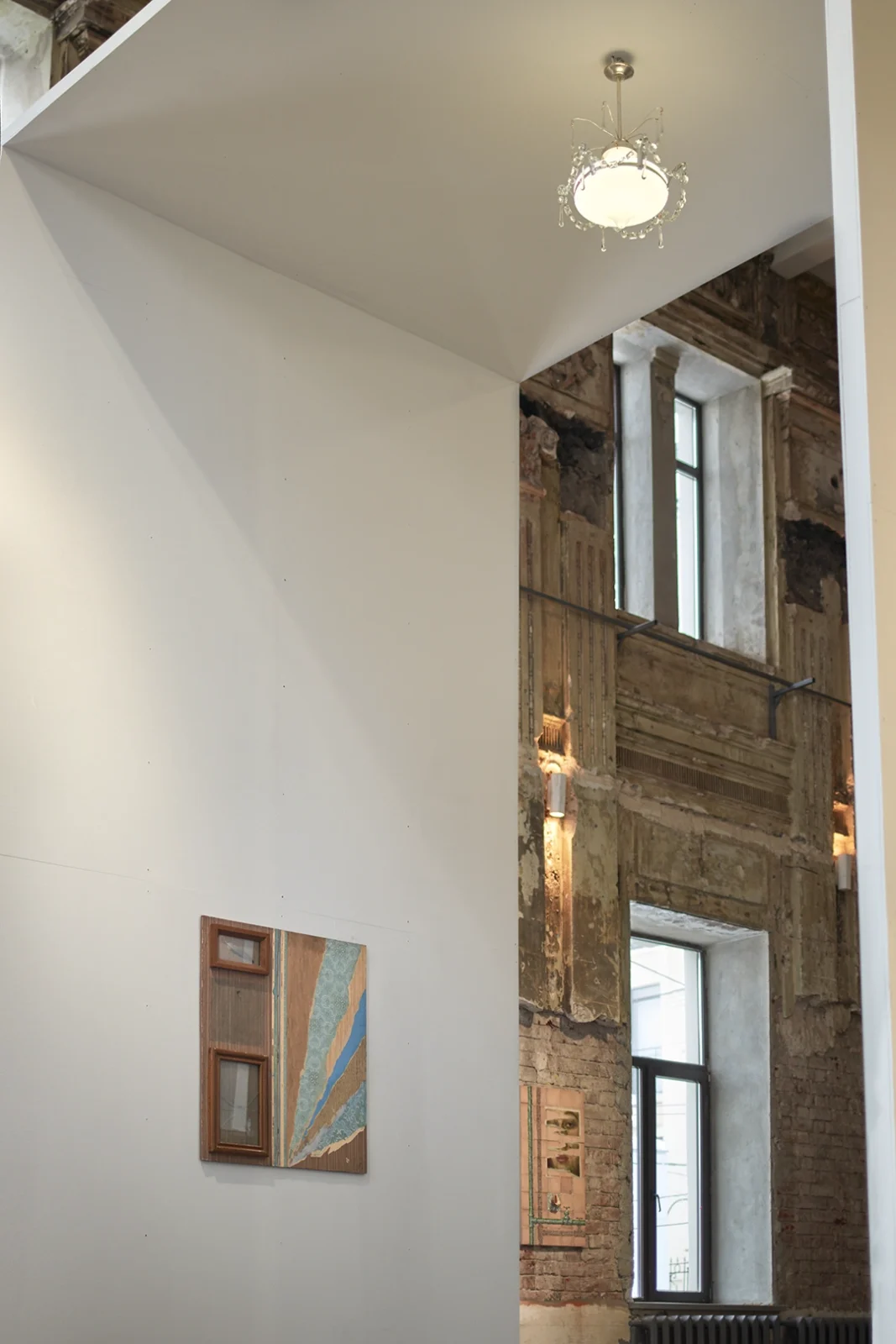
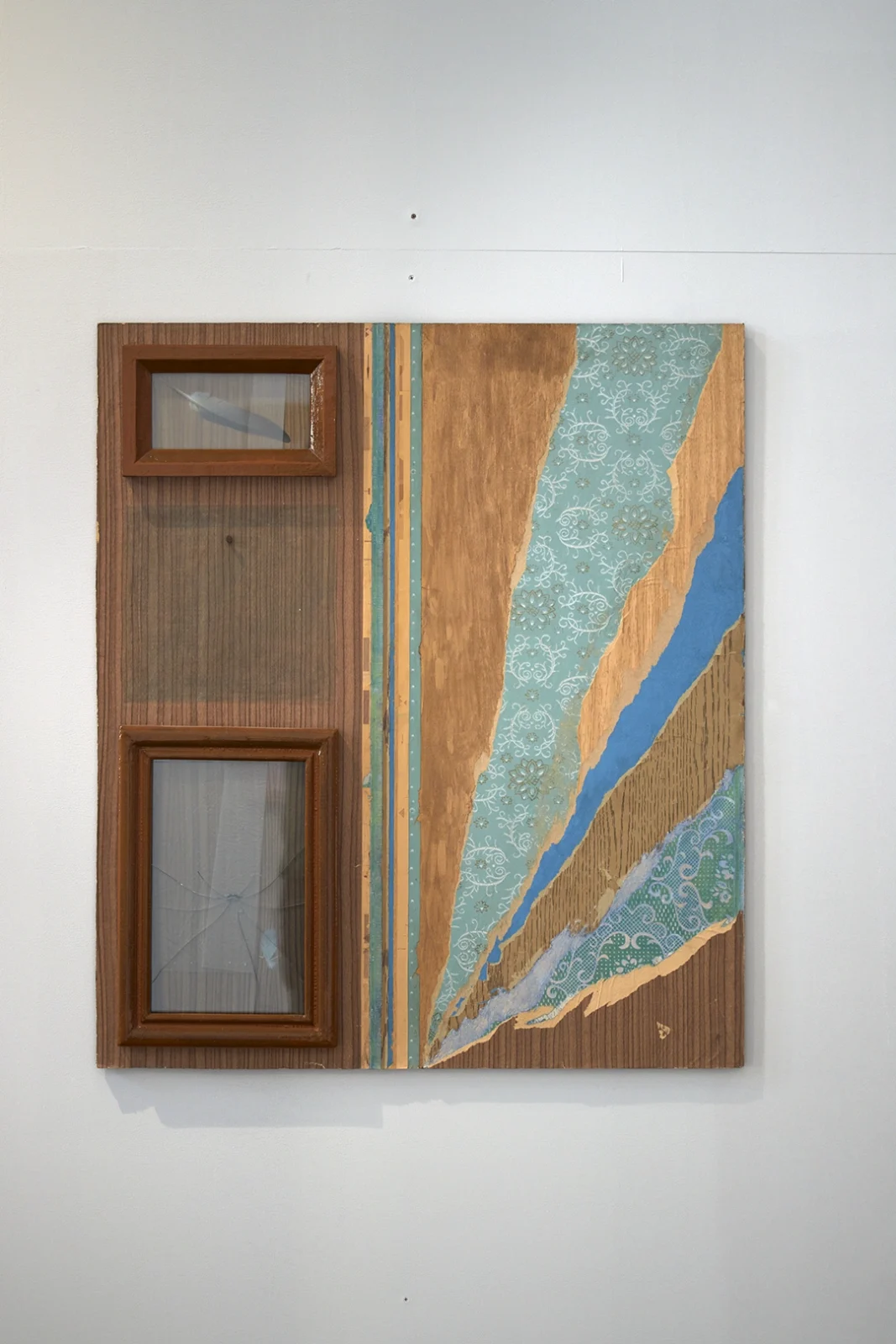
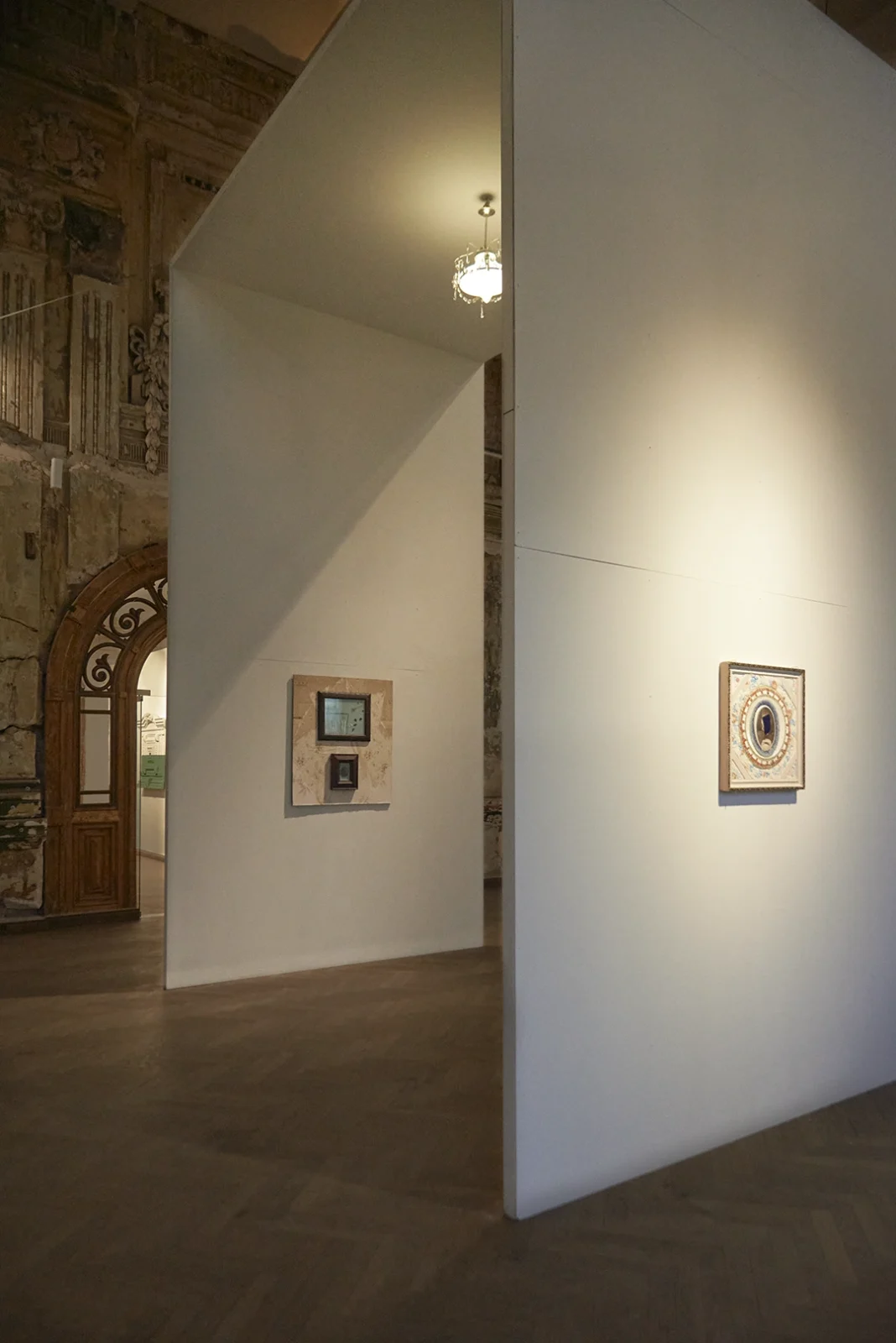
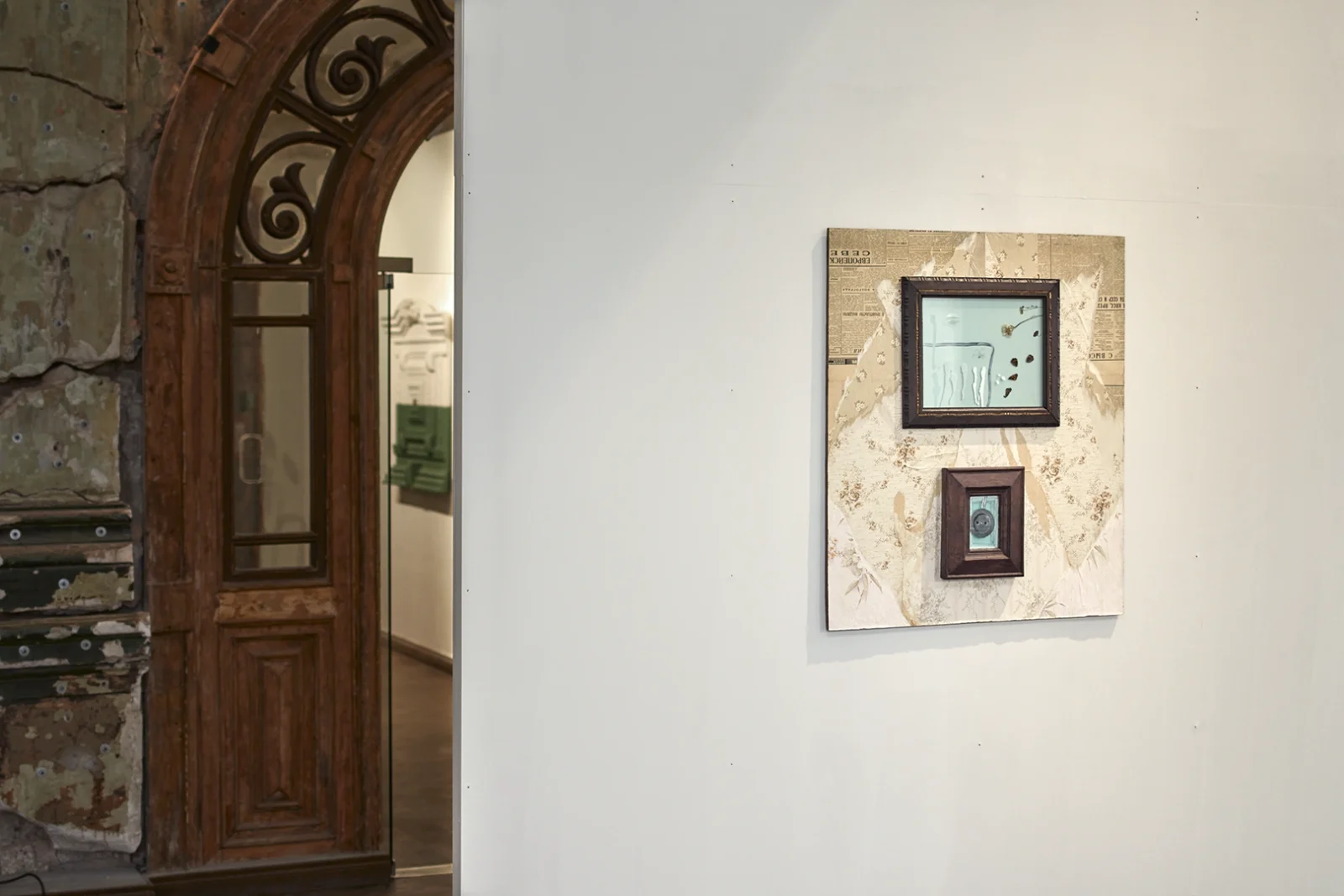
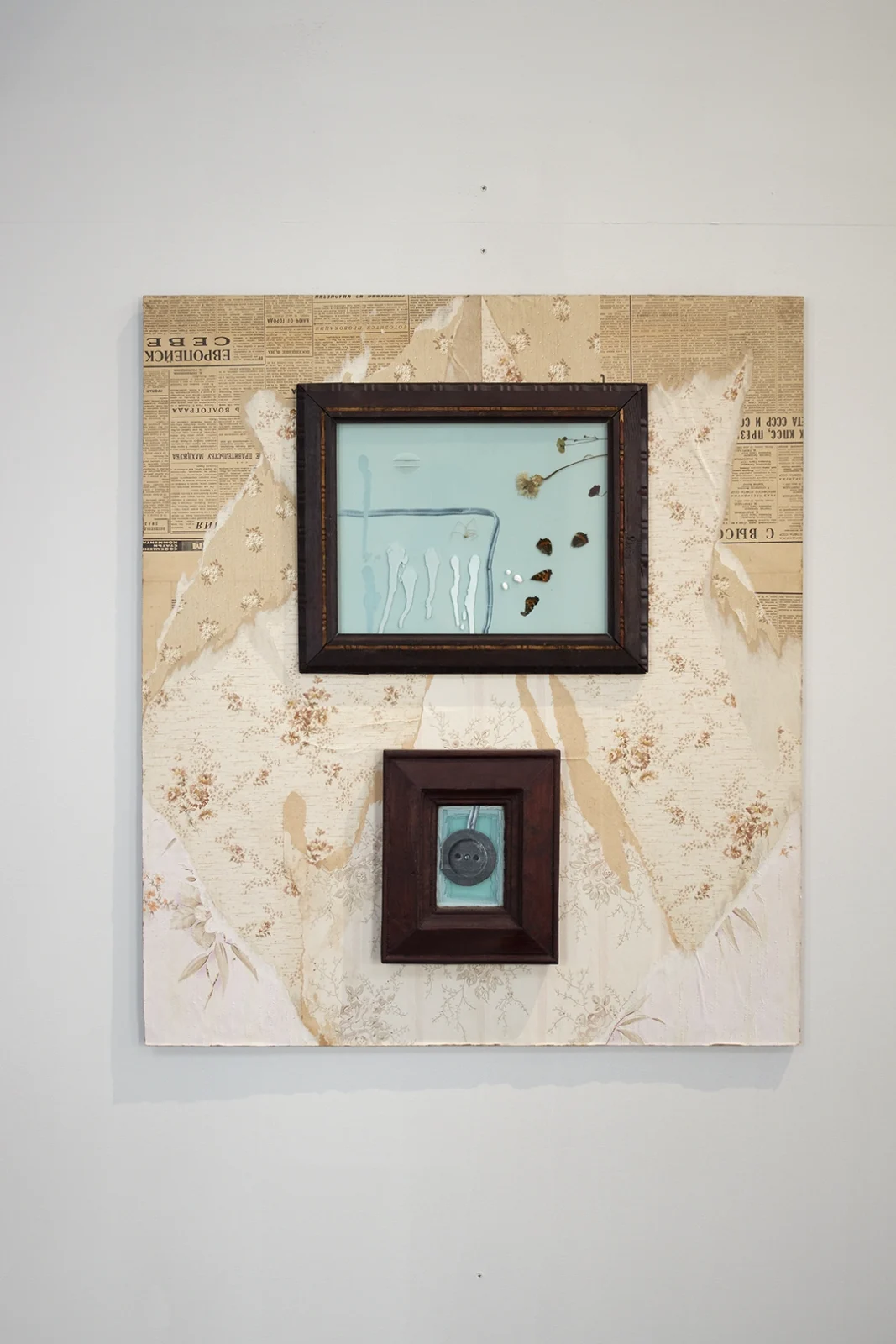
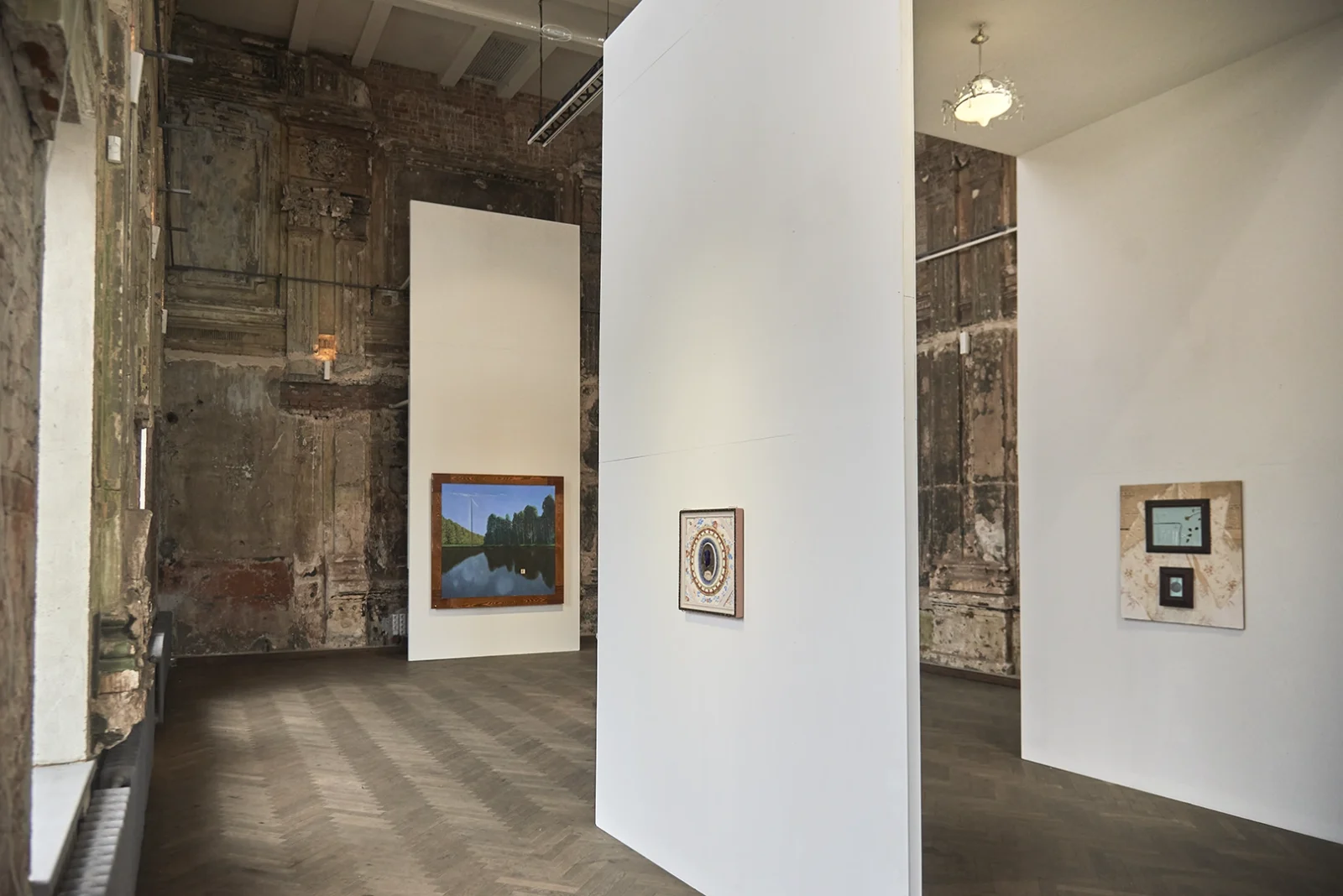
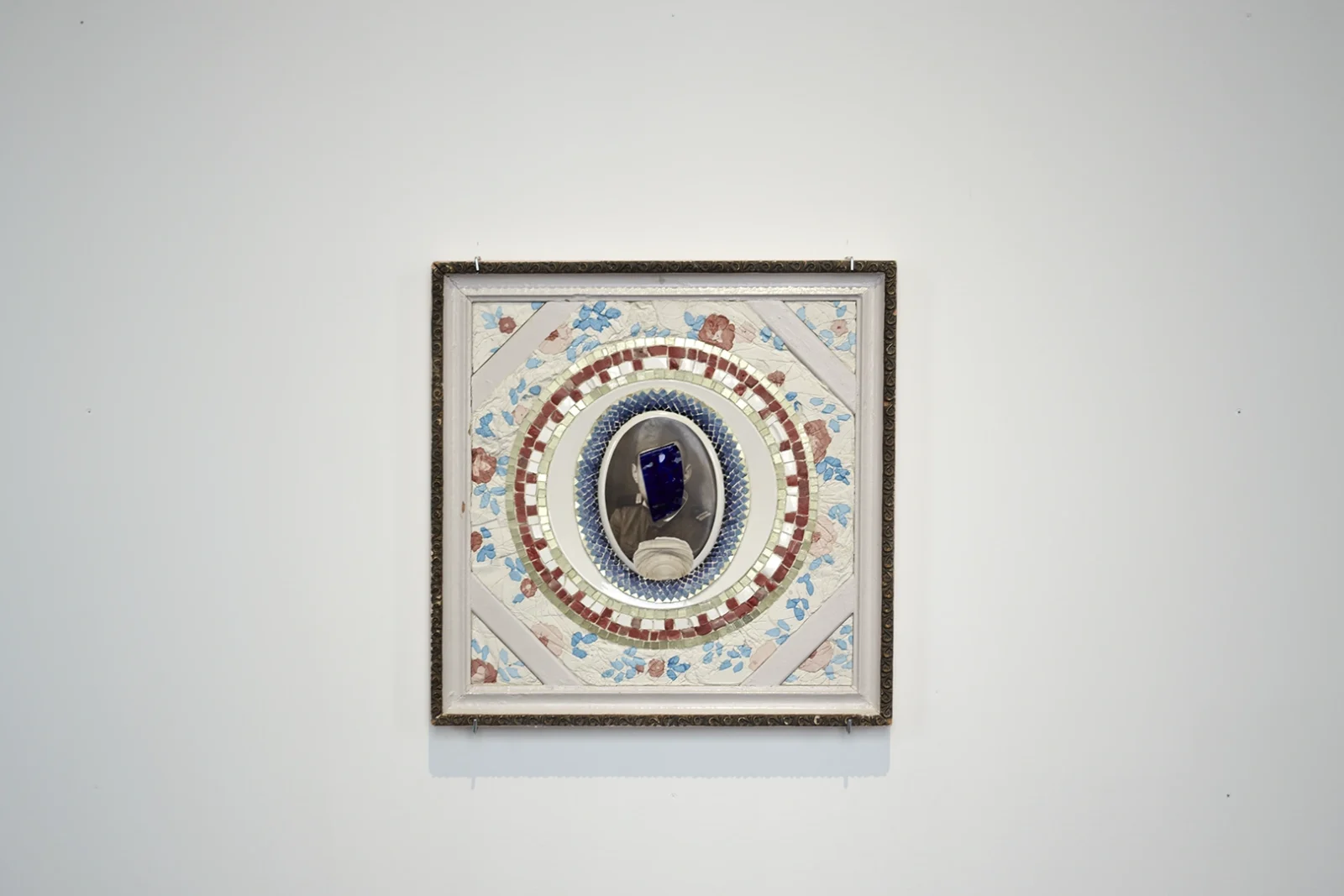
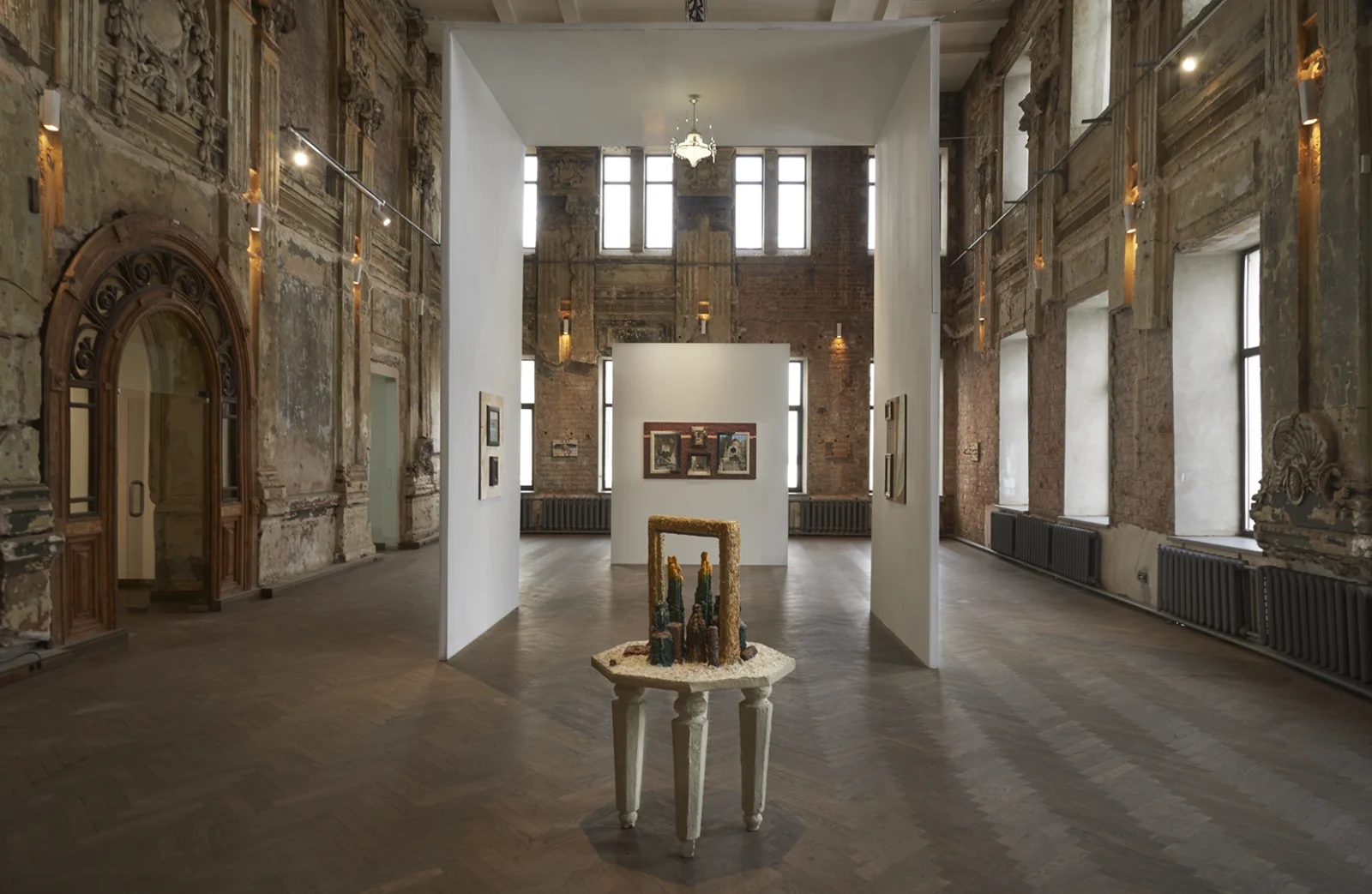
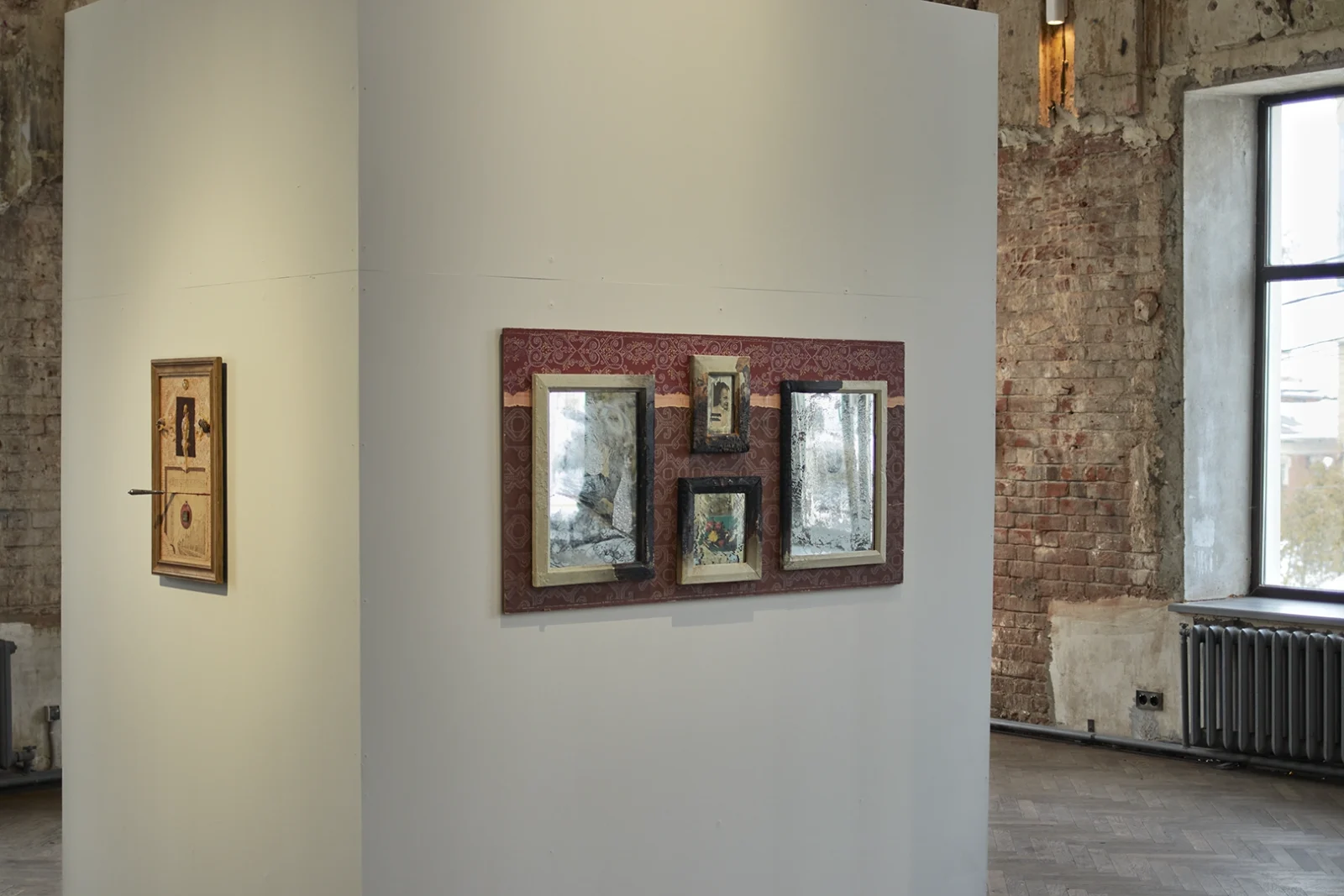
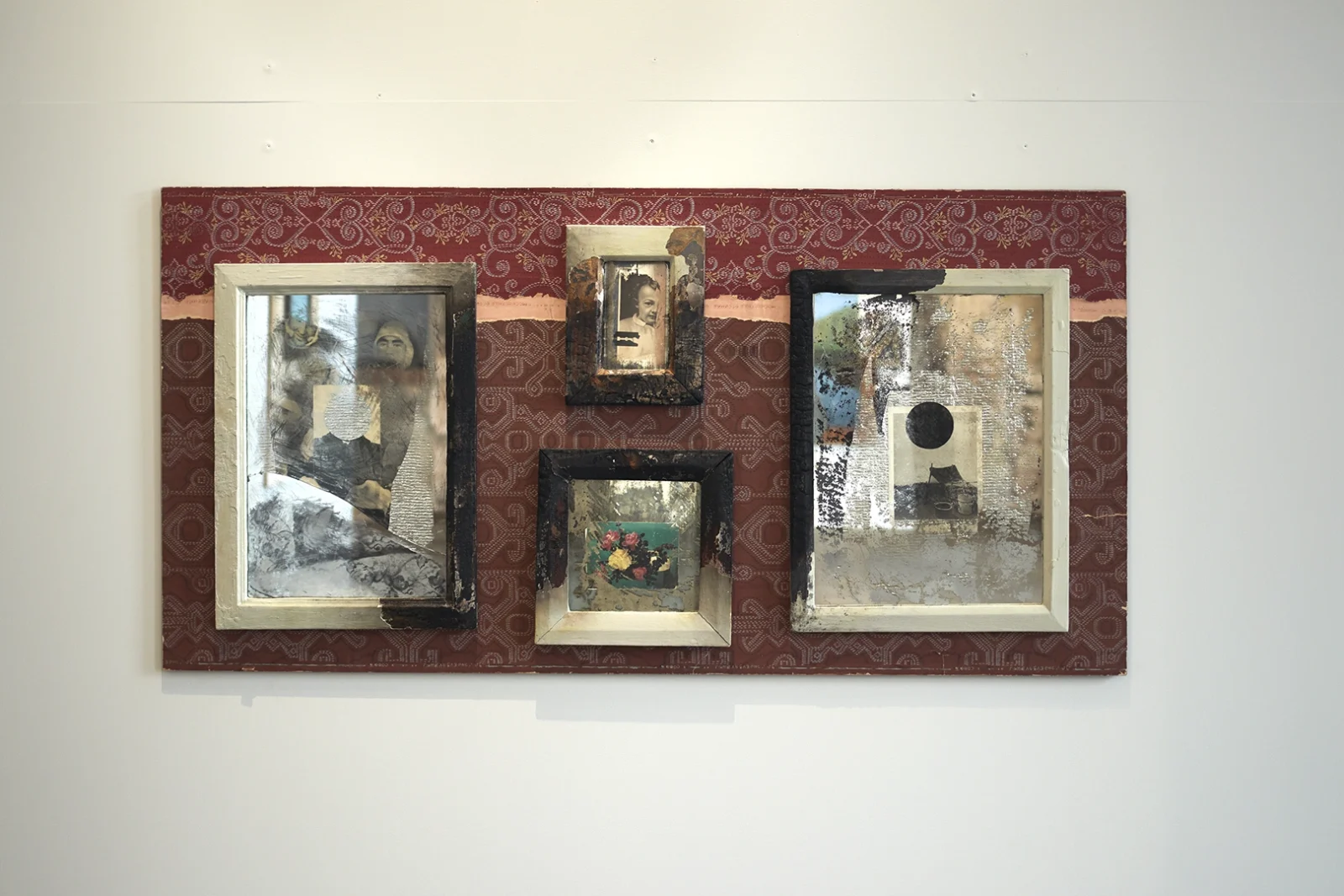

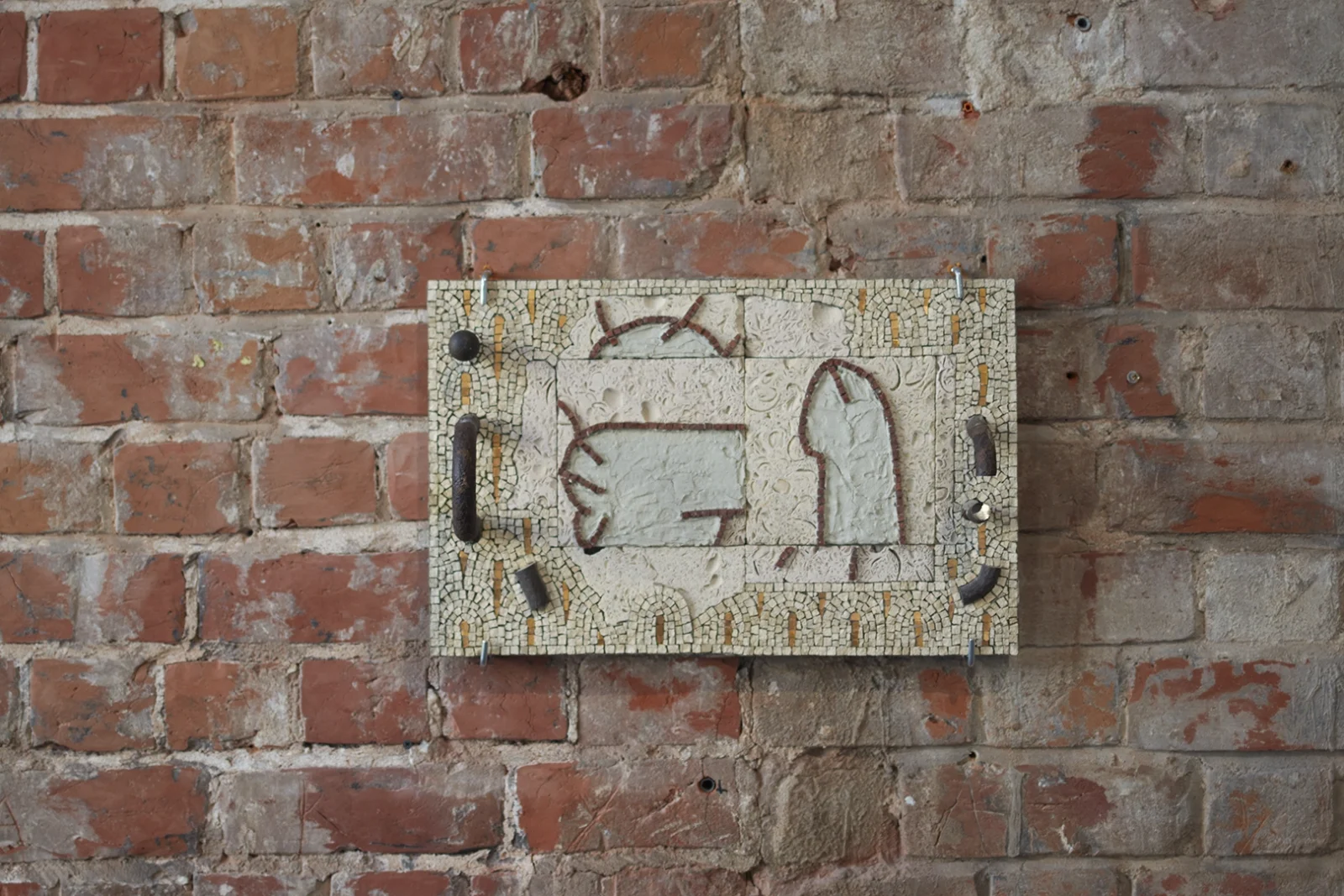
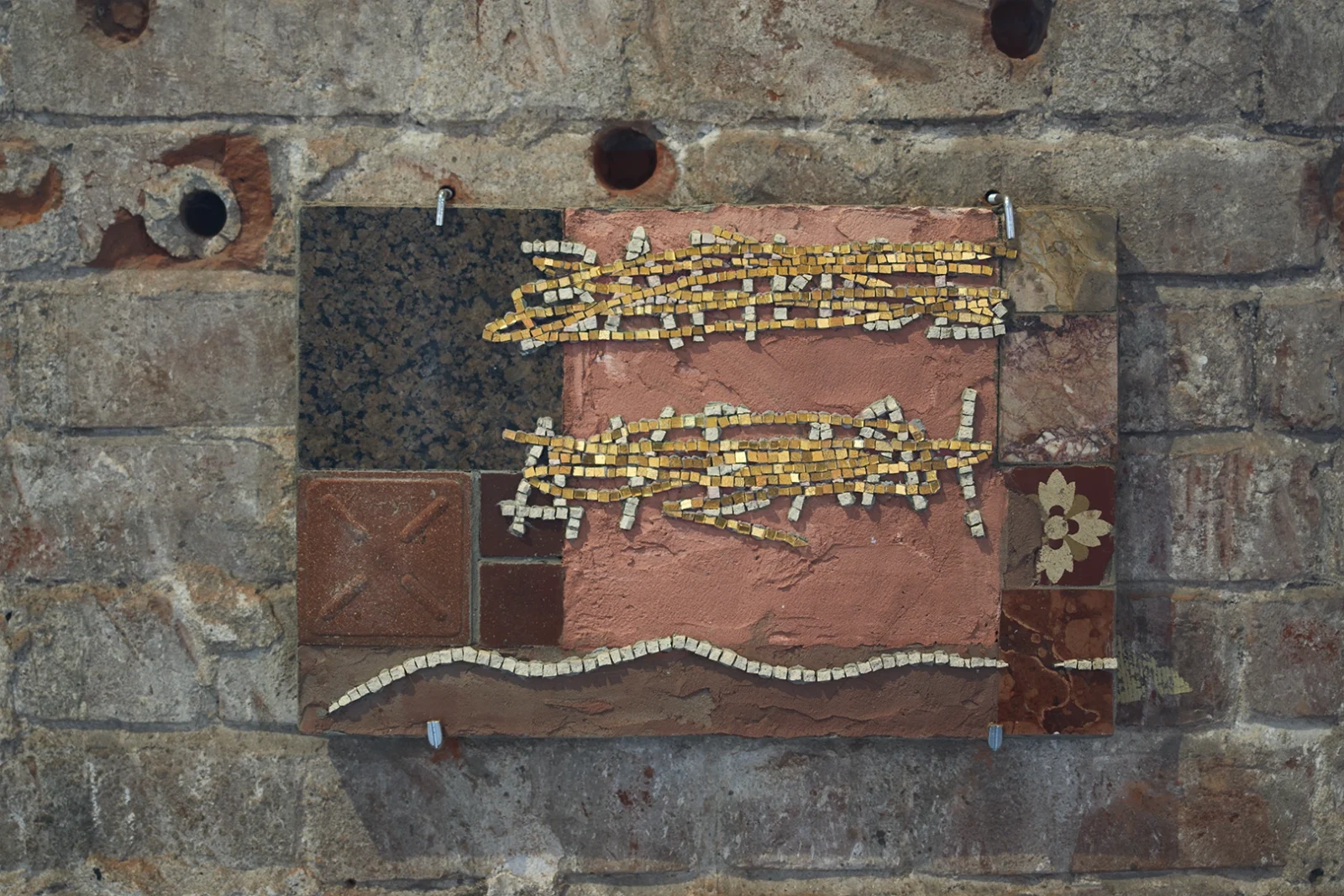
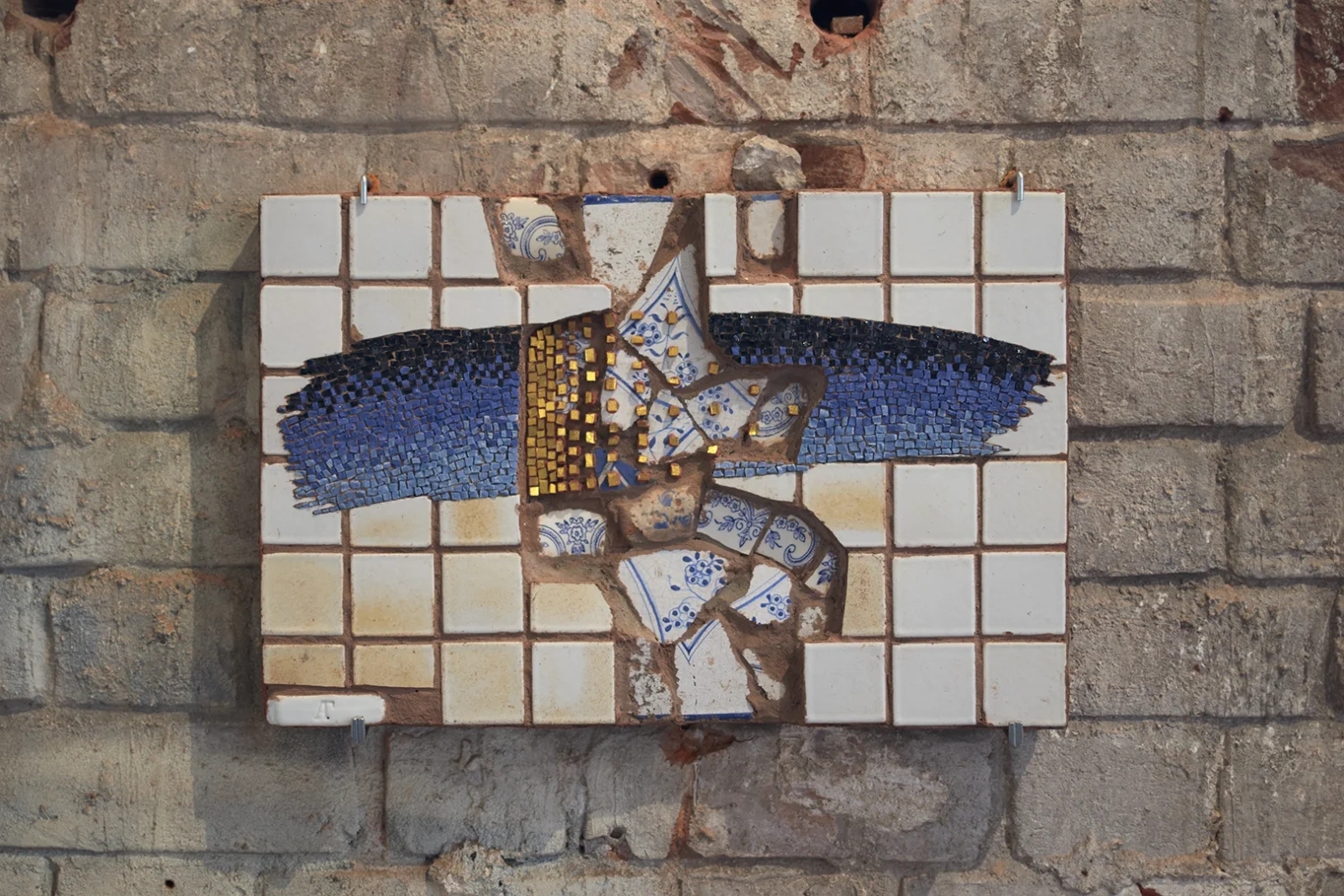
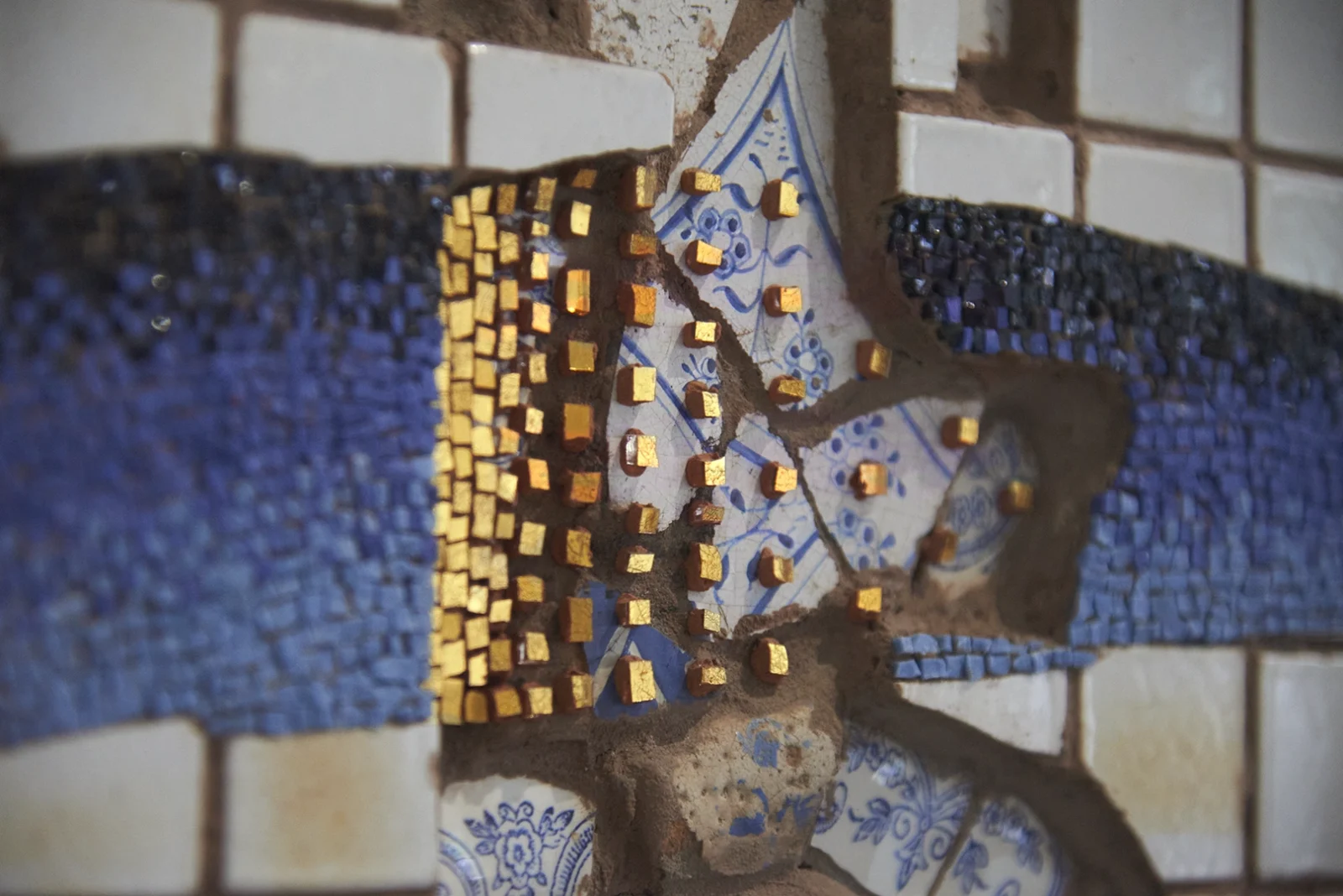
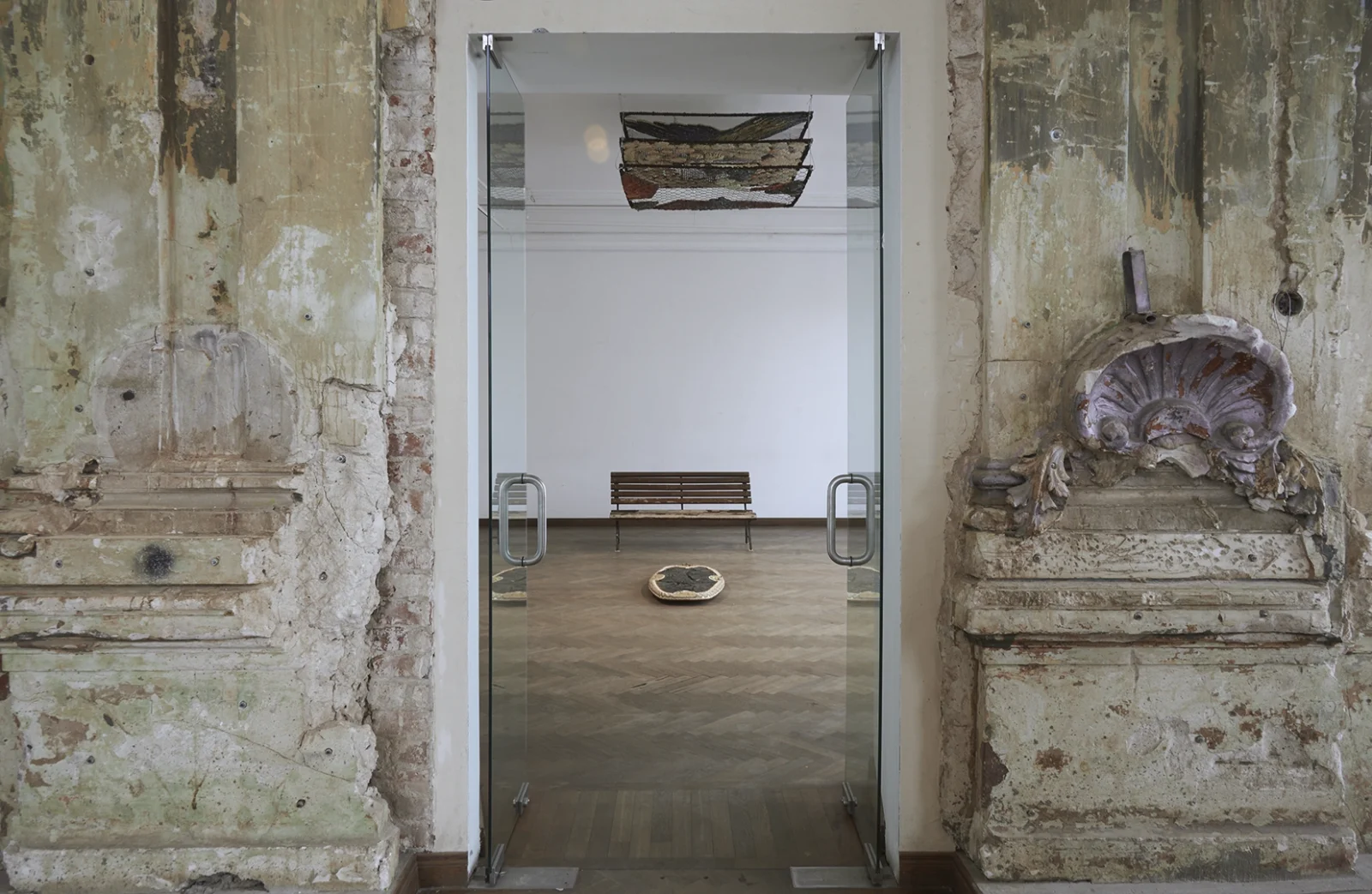
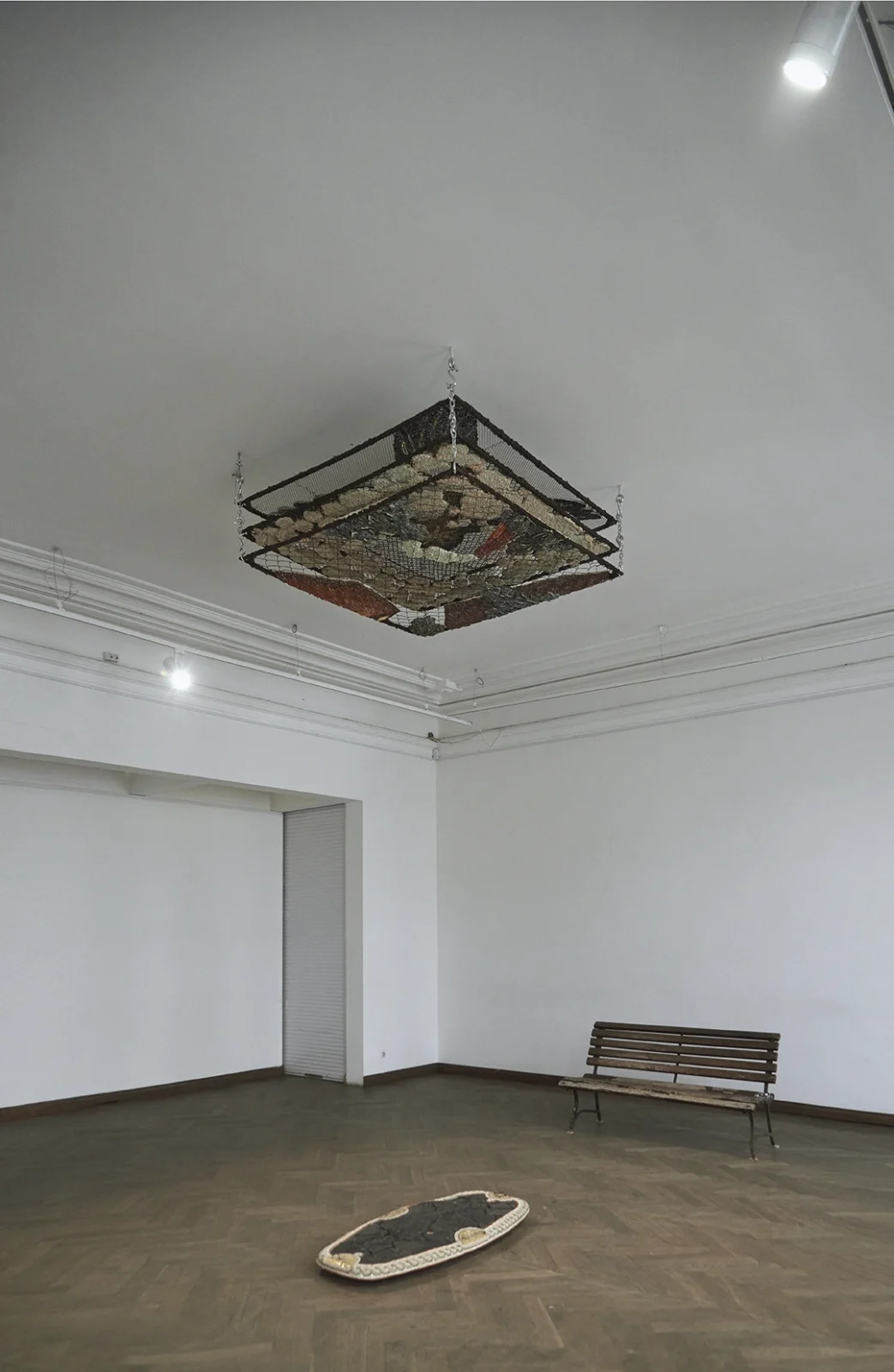
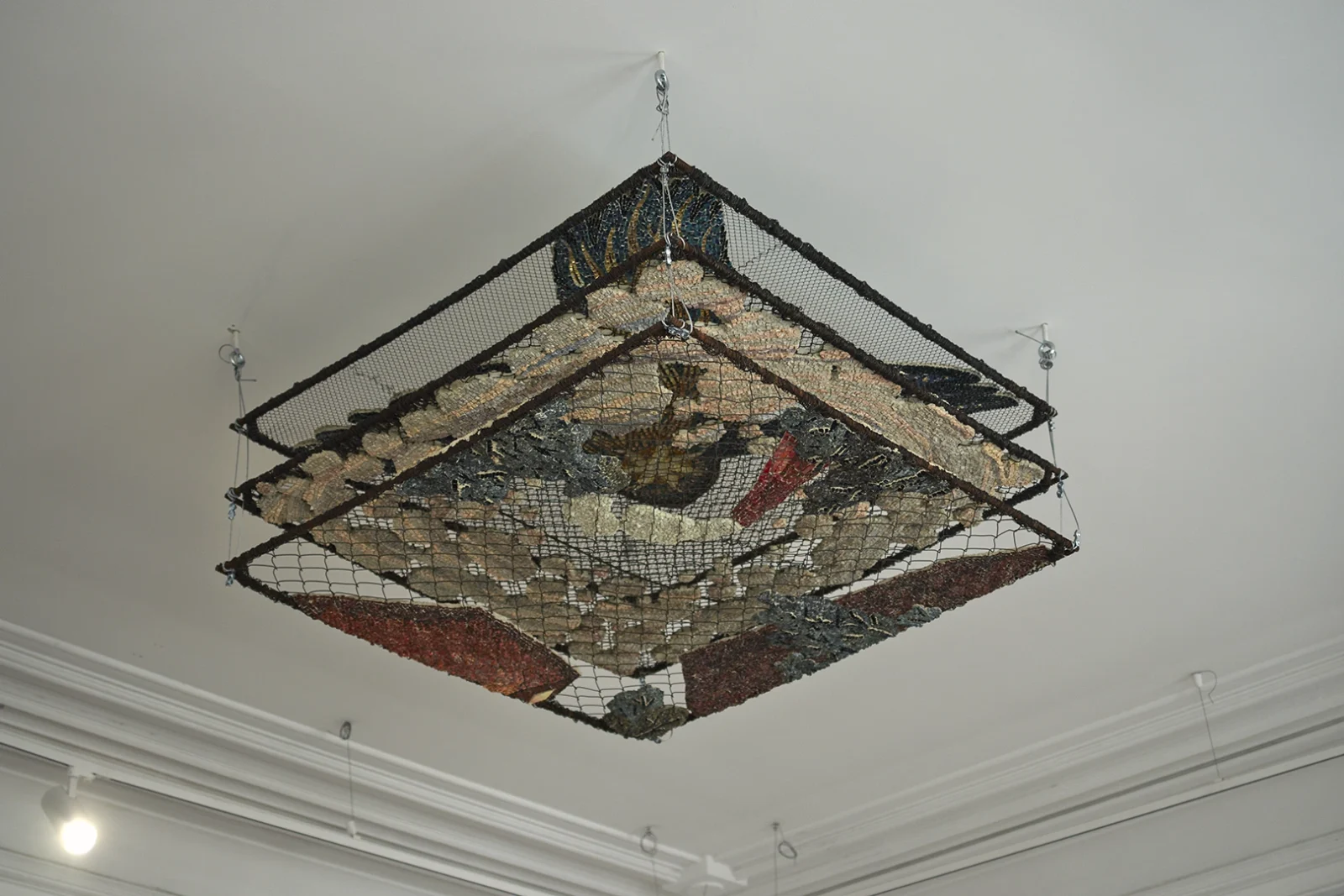
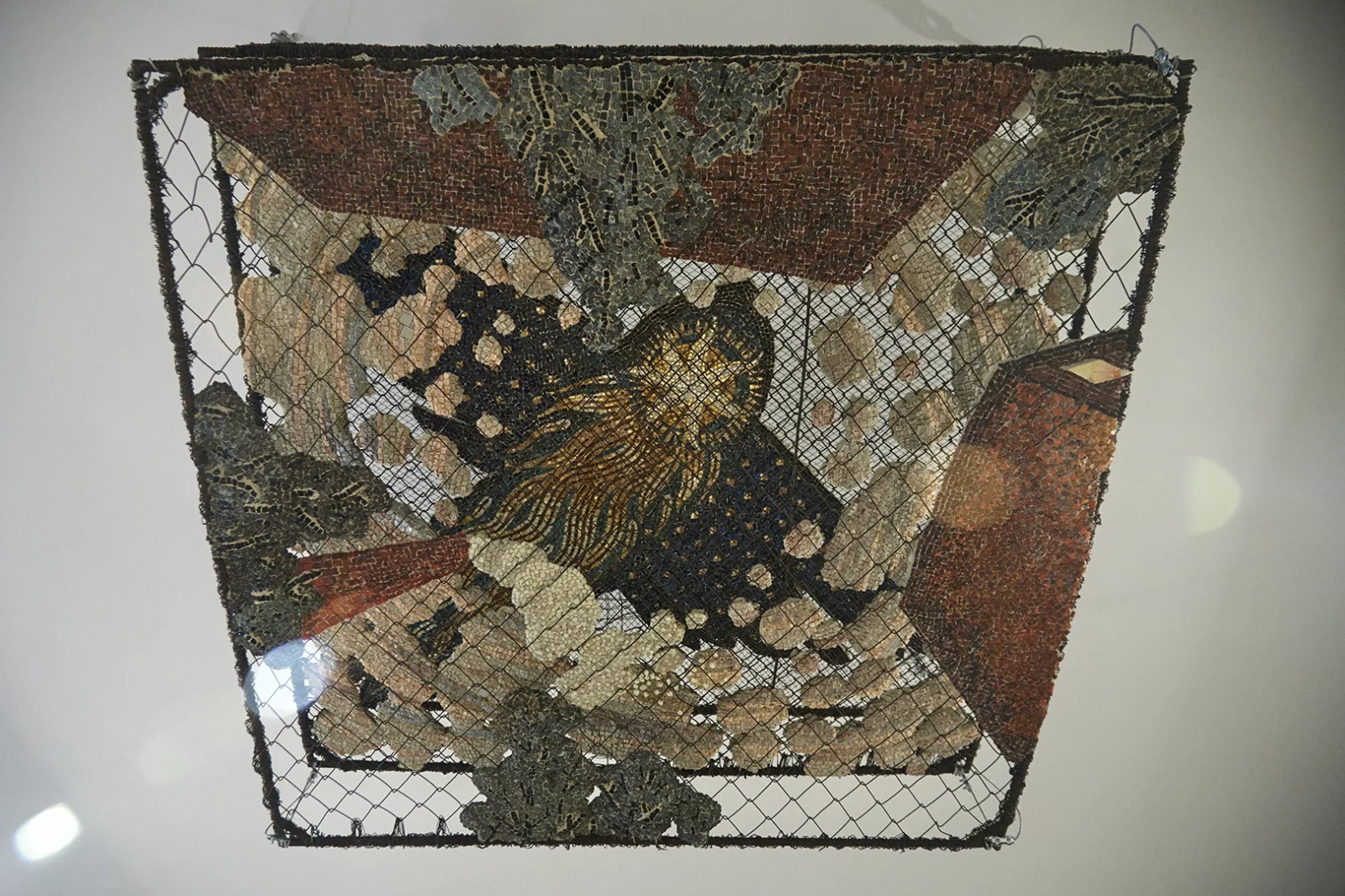
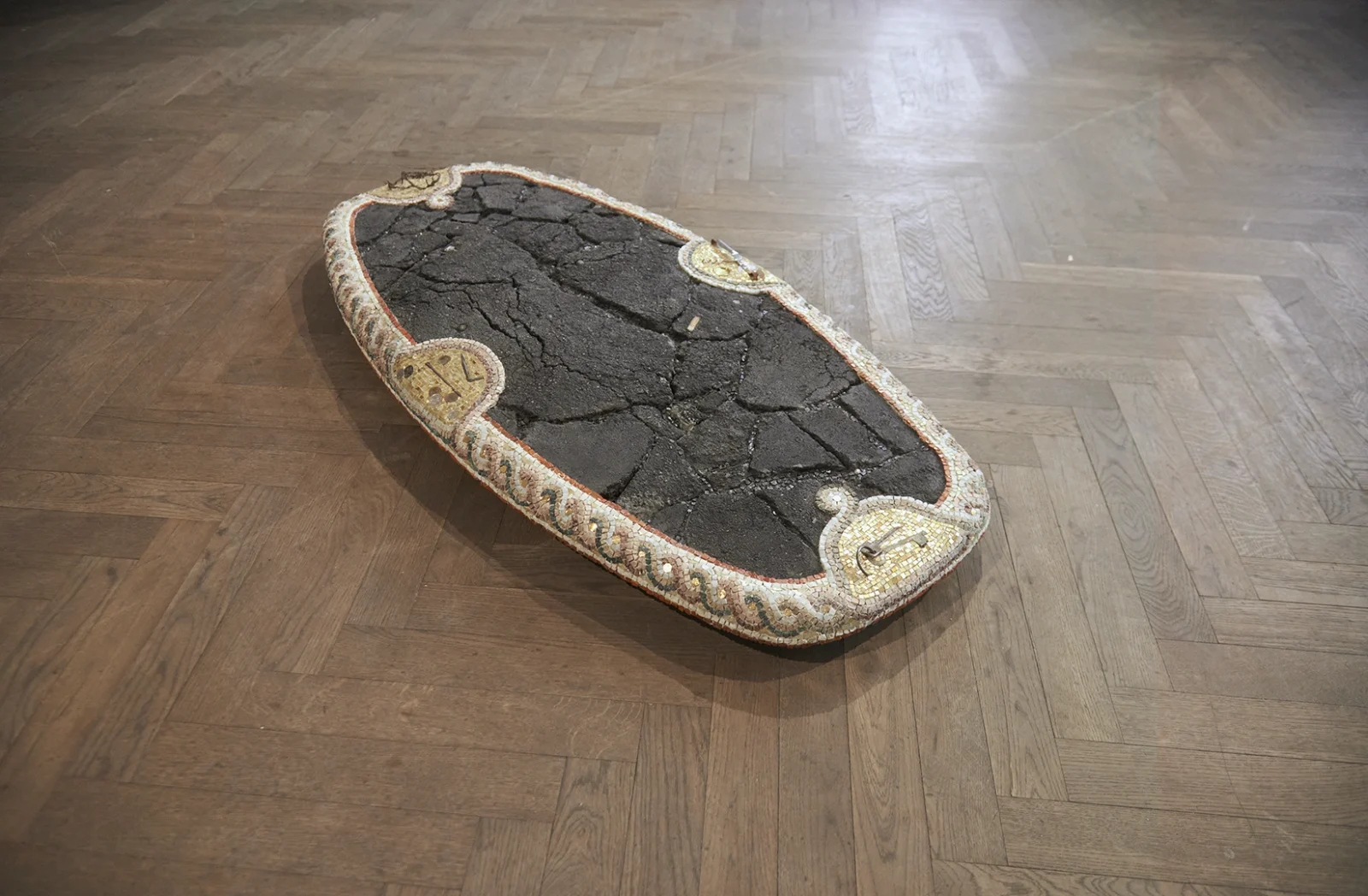
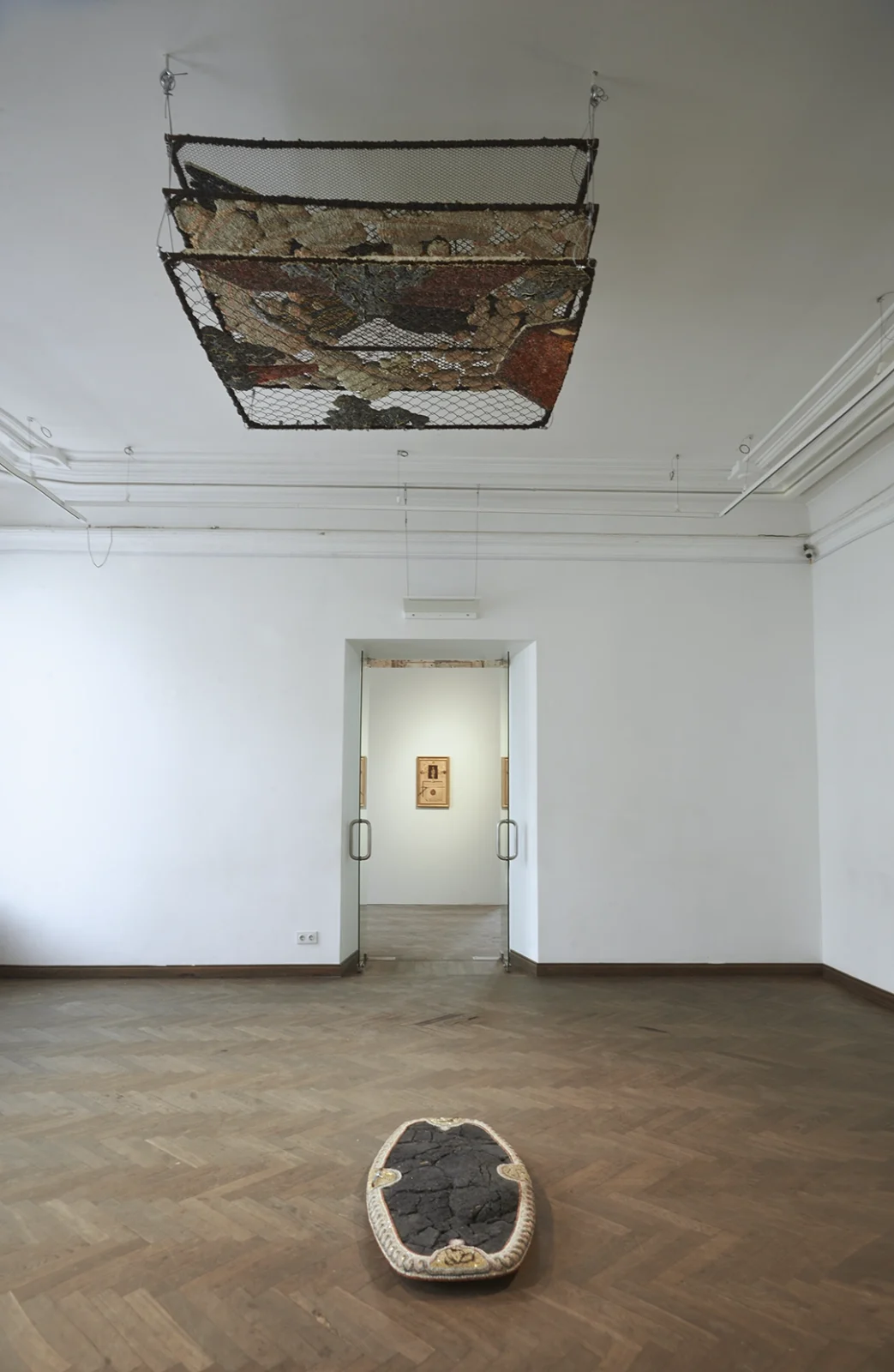
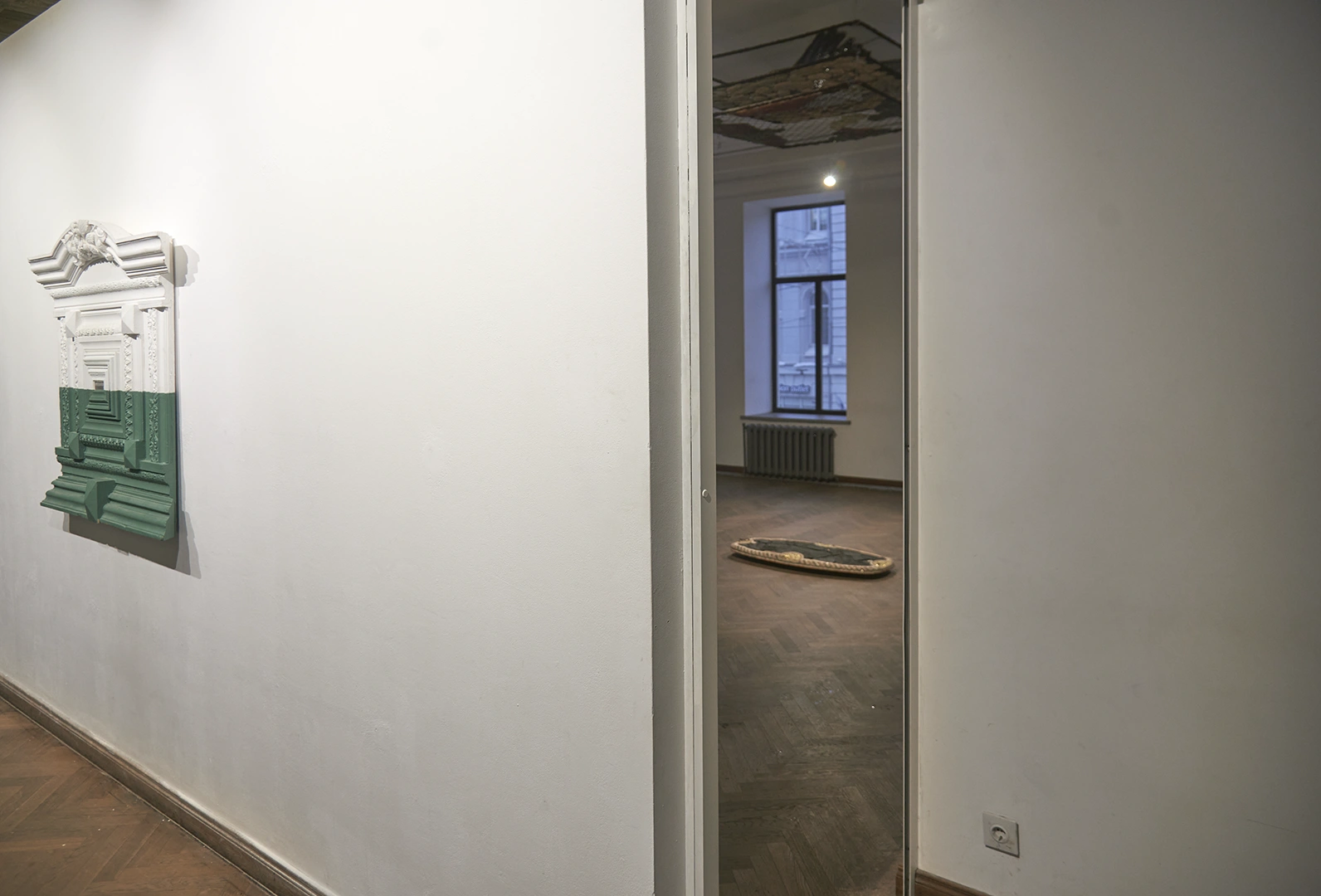
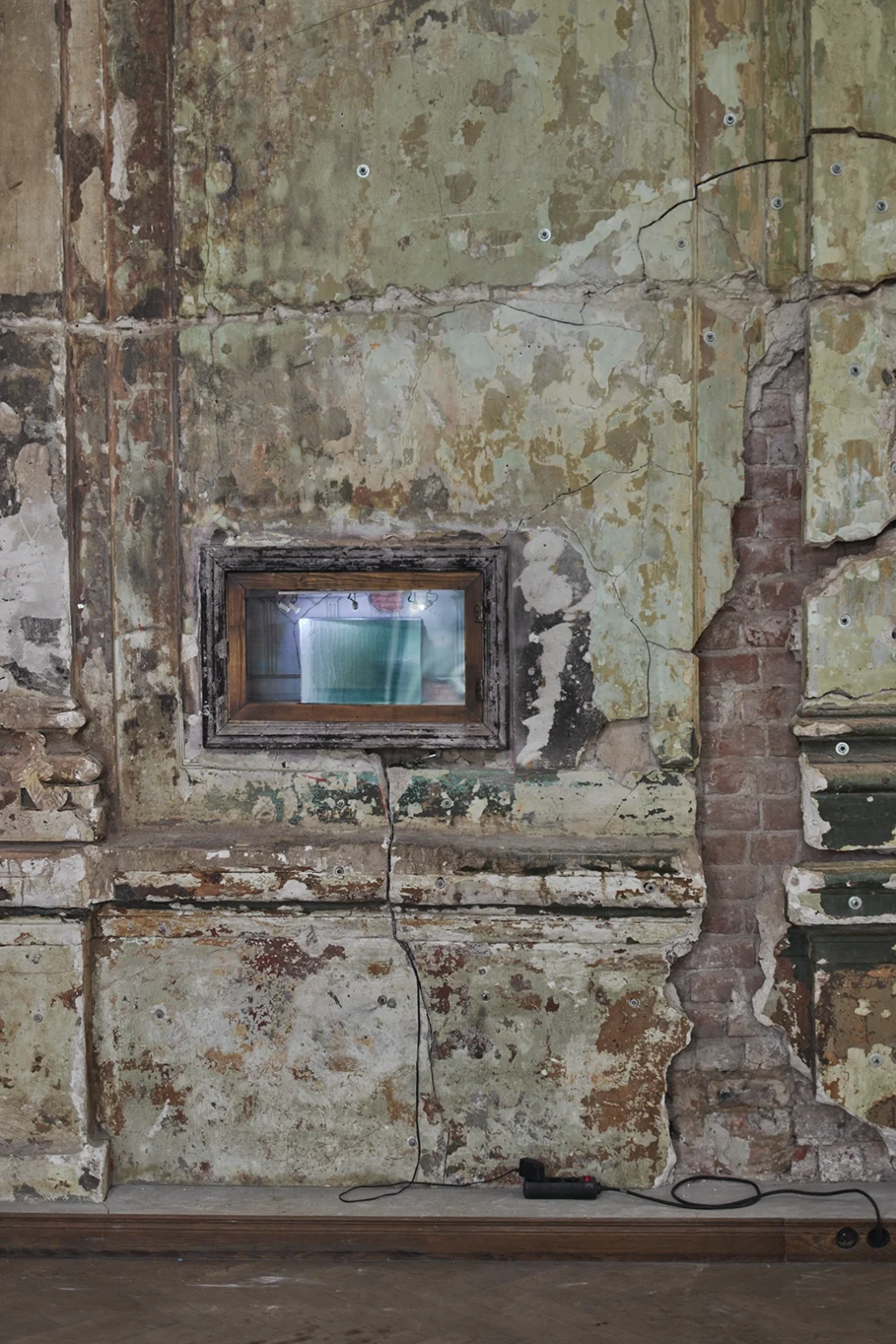
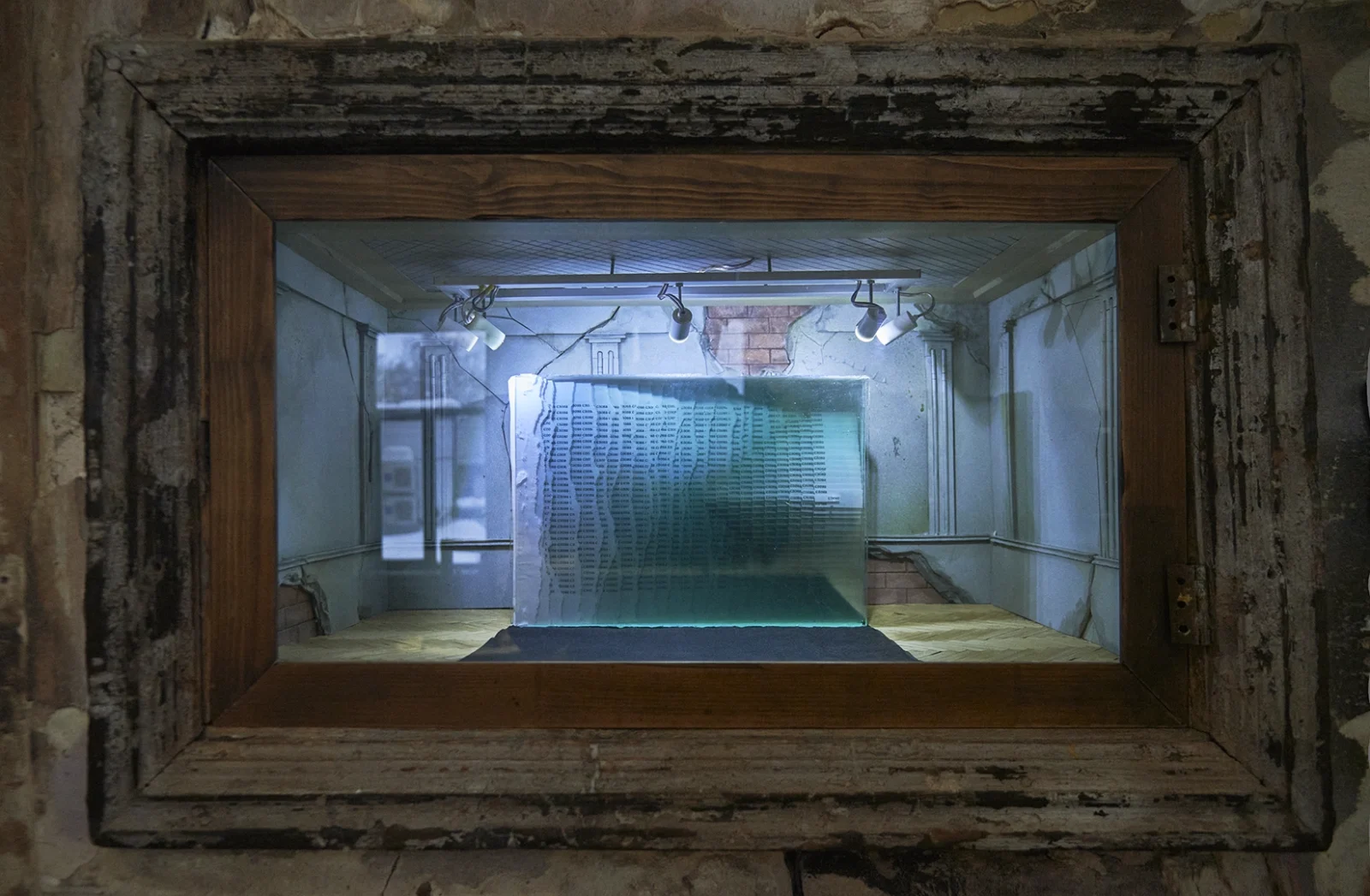
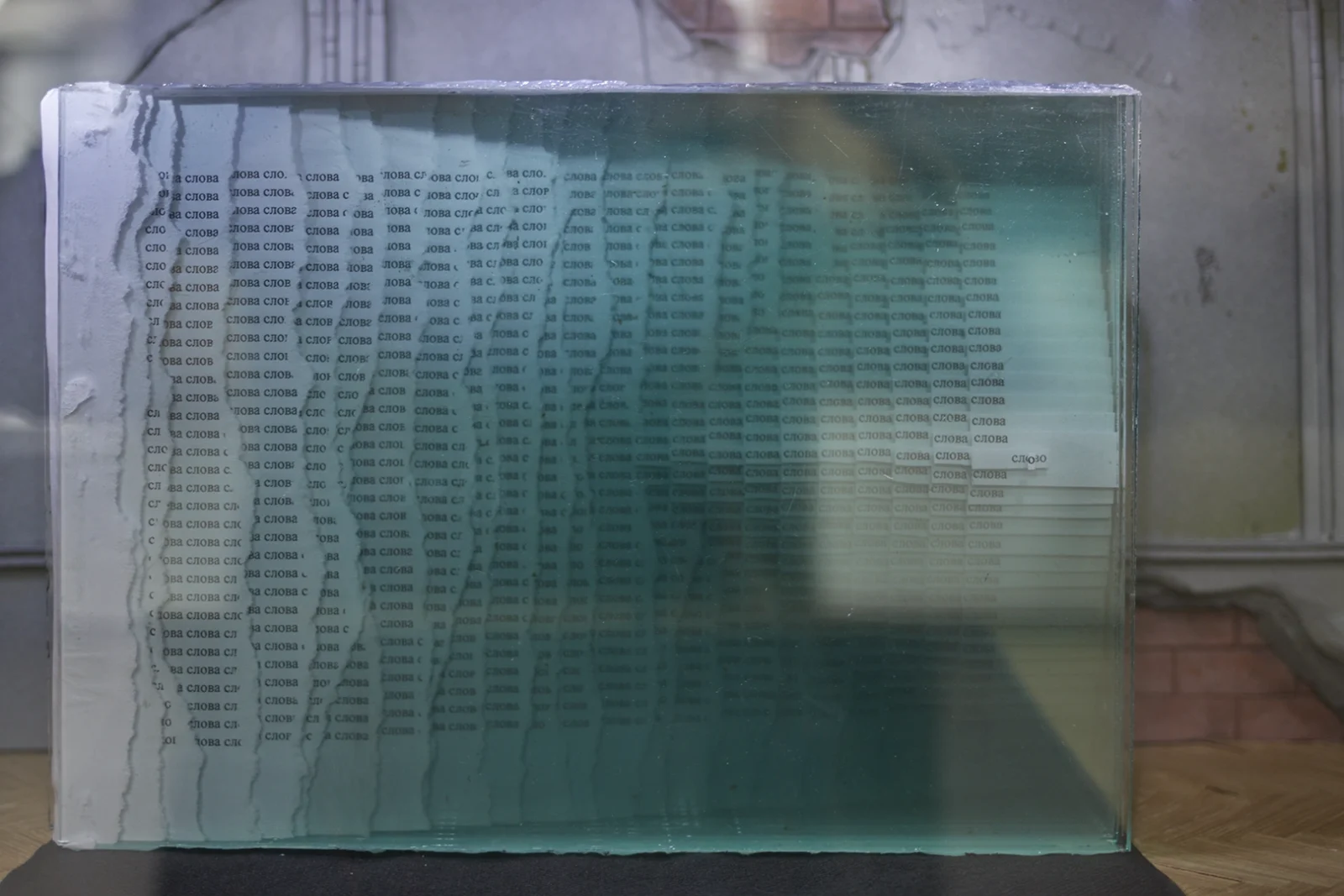
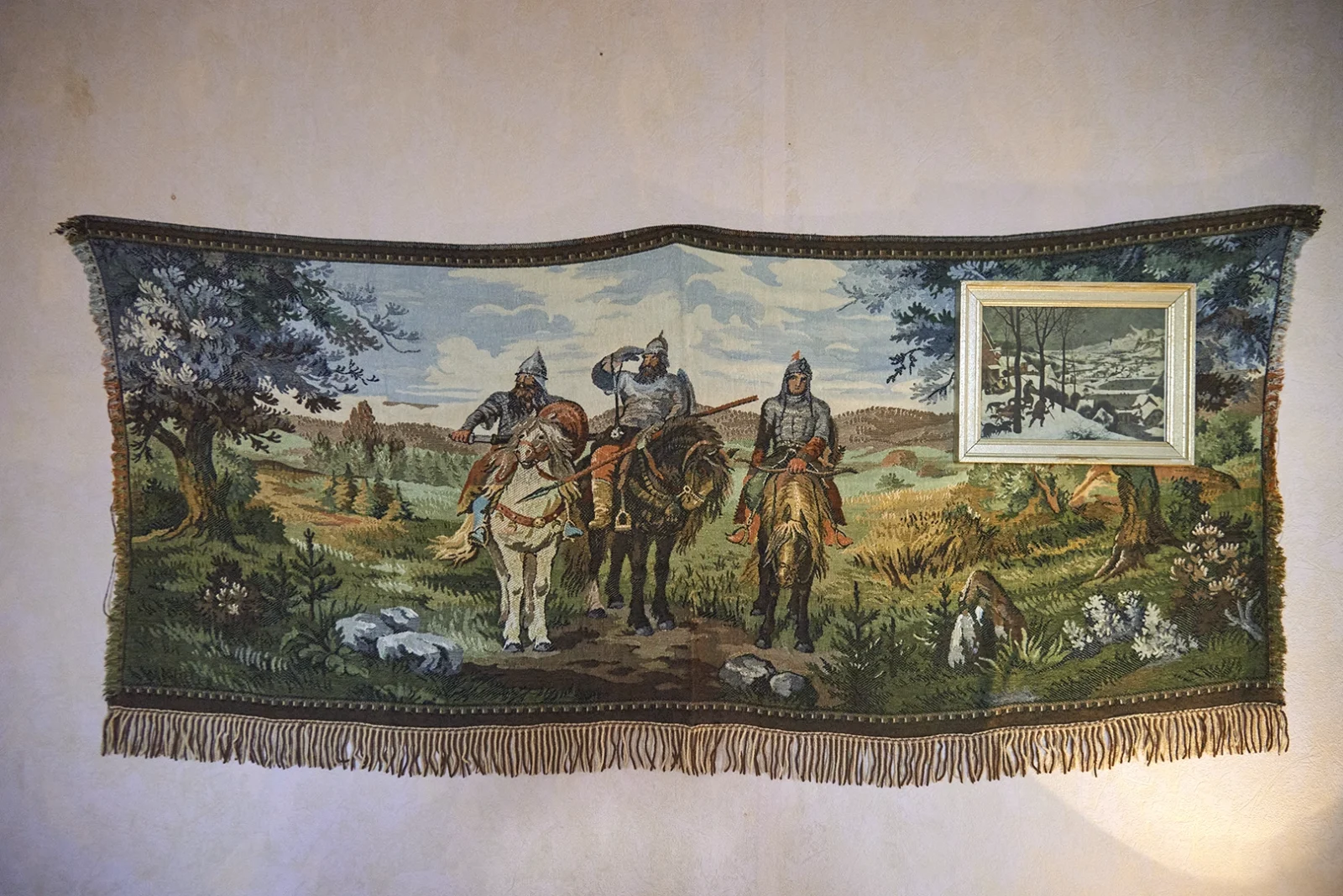
Double landscape by Sergey Boyarintsev
An apartment is both a personal space and a space for communication between family, friends, and guests. It can change its status: to be a private place behind closed doors, or to become public and open during a big holiday. The owner decides what it should be. The owner-artist can think of his apartment as a place for artistic expression. Having embodied his memories and impressions in his works, he leaves his “Traces of Life”.
Sergey Boyarintsev is a young artist from Kirov (Vyatka). He studied at the Vyatka Art School named after A. A. Rylov, graduated from the Moscow State Academic Art Institute named after V. I. Surikov, and has been working for many years in a mosaic crew in Moscow. In his works, he turns to everyday life – a source of images for talking about time and memory.
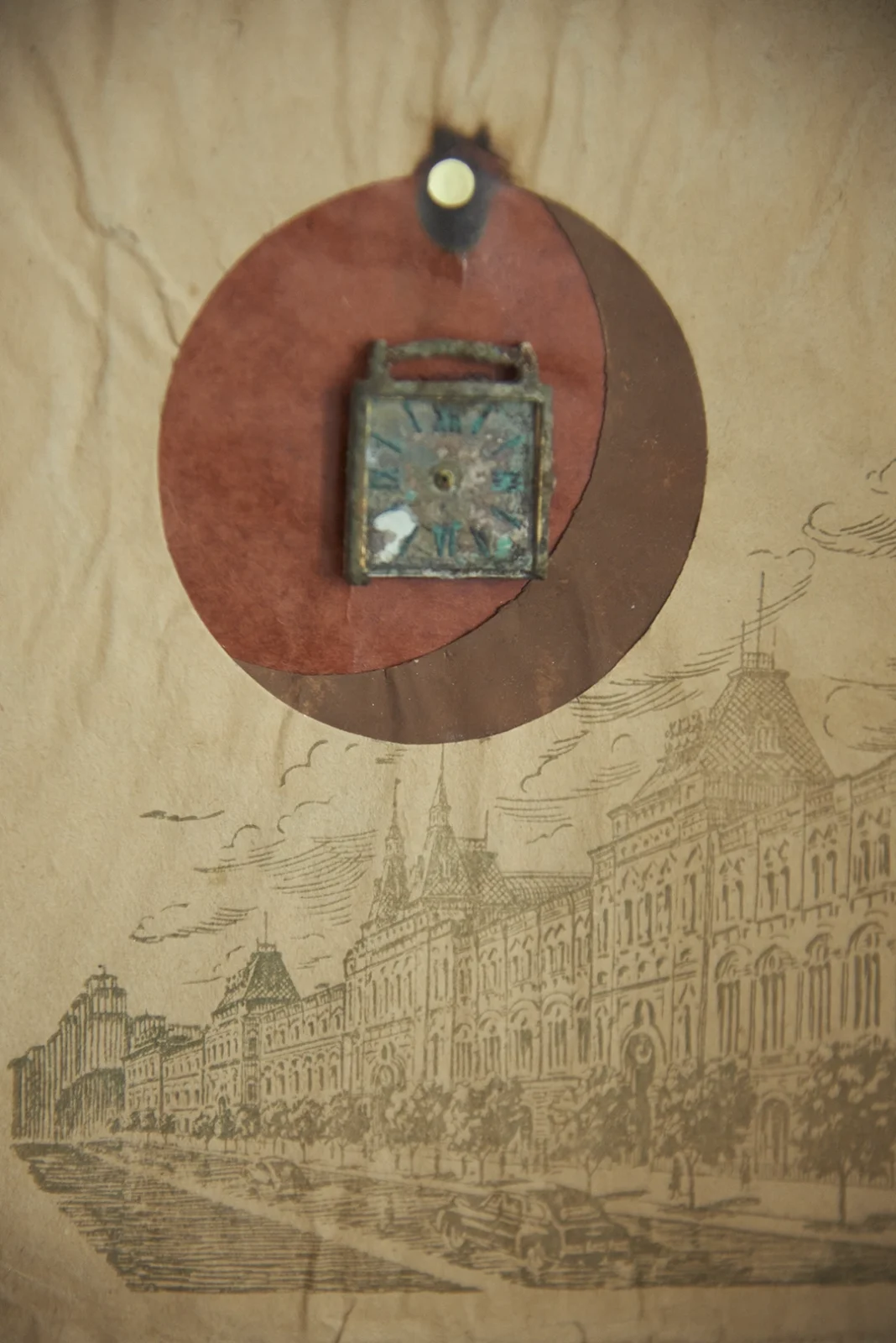
Academic education gives the artist a technique, a tool. The surrounding reality, the ability to see and reflect provide material for statements about life, things, people, and art. The dialogue between the classical means of representation (mosaic, painting) and the subject environment becomes one of the key author’s techniques, which, however, is not limited to the inclusion of objects in the space of the work (which is usually described by the term “assemblage”), but gets a very interesting development.
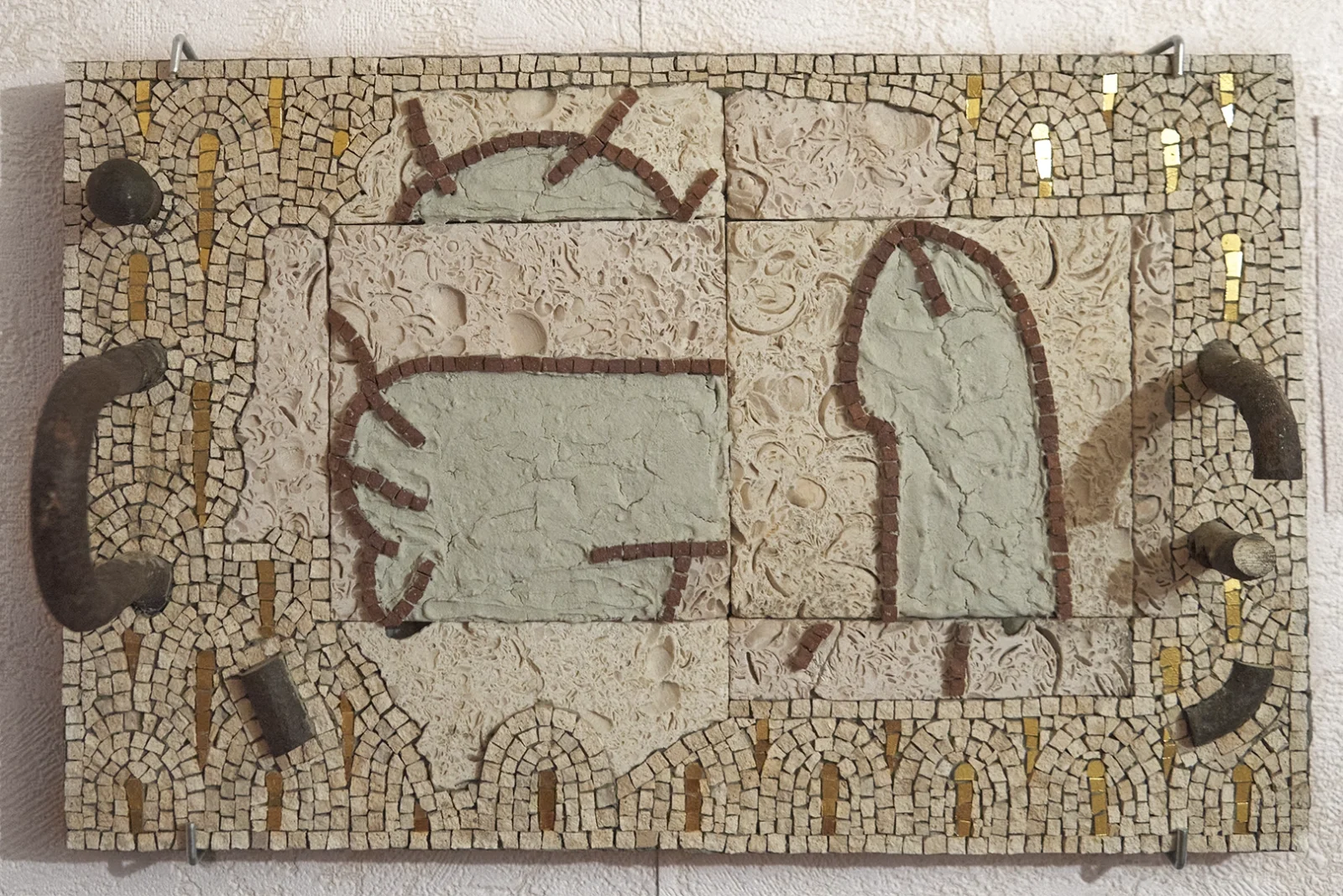
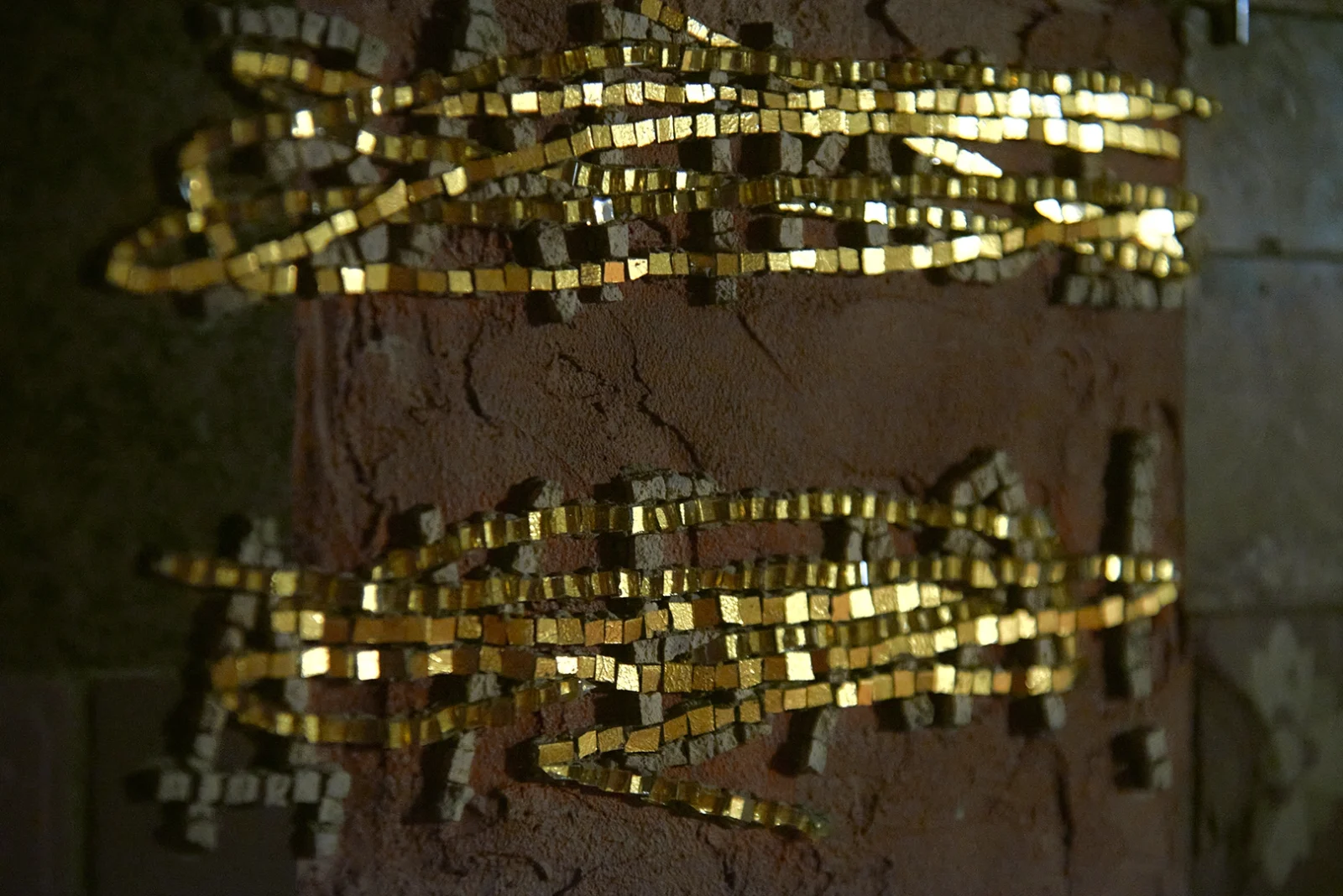
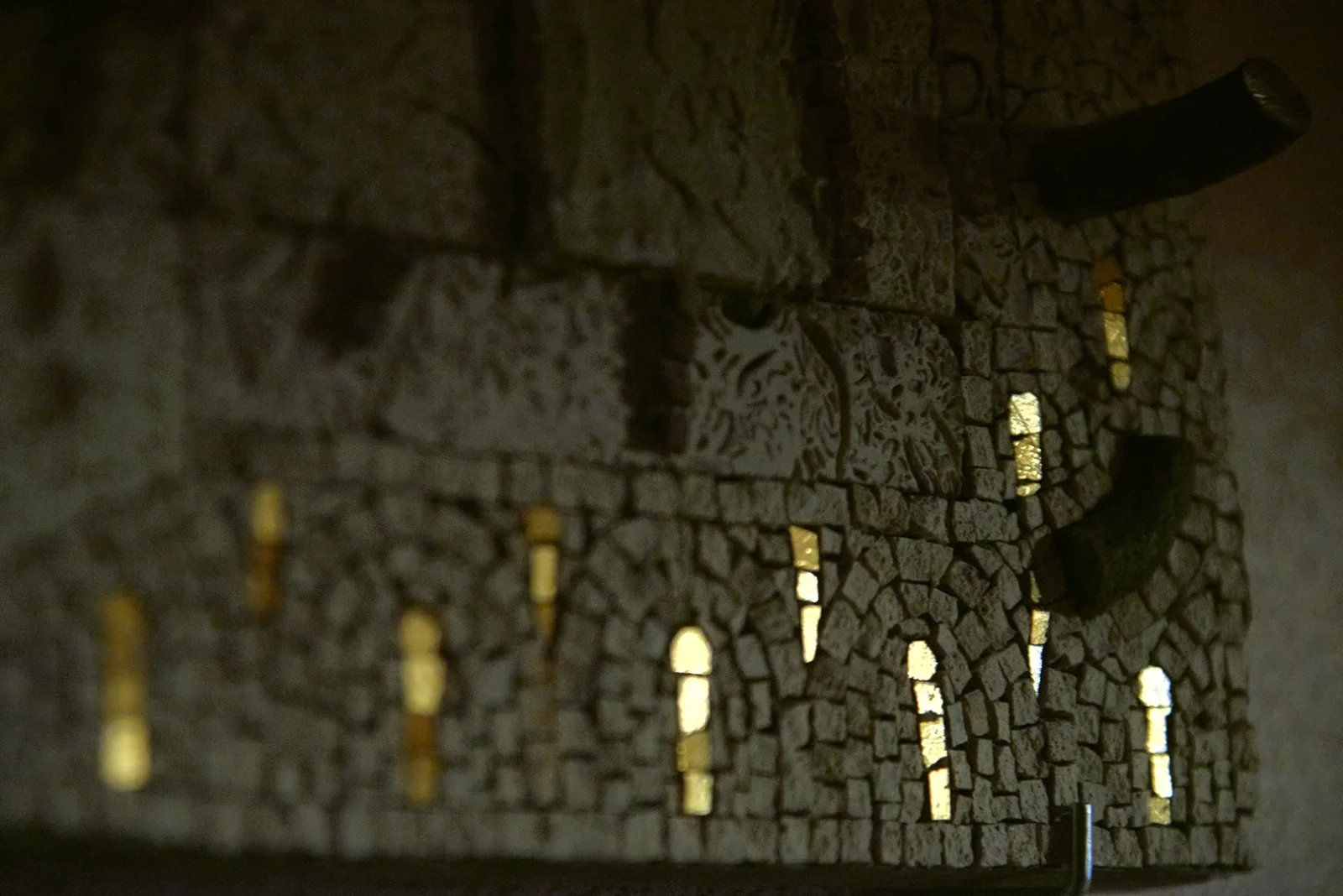
The series of works “Traces of Life”, created from 2014 to 2021, is a kind of evidence of the design of the author’s strategy. Starting with episodic, random experiments inspired by found things (“Cenotaph”, 2014), this series with each new work delineated more clearly the range of interests of the artist, focusing on attention to the surrounding everyday life and the possibilities of fine art to show its paradoxes and allusions.
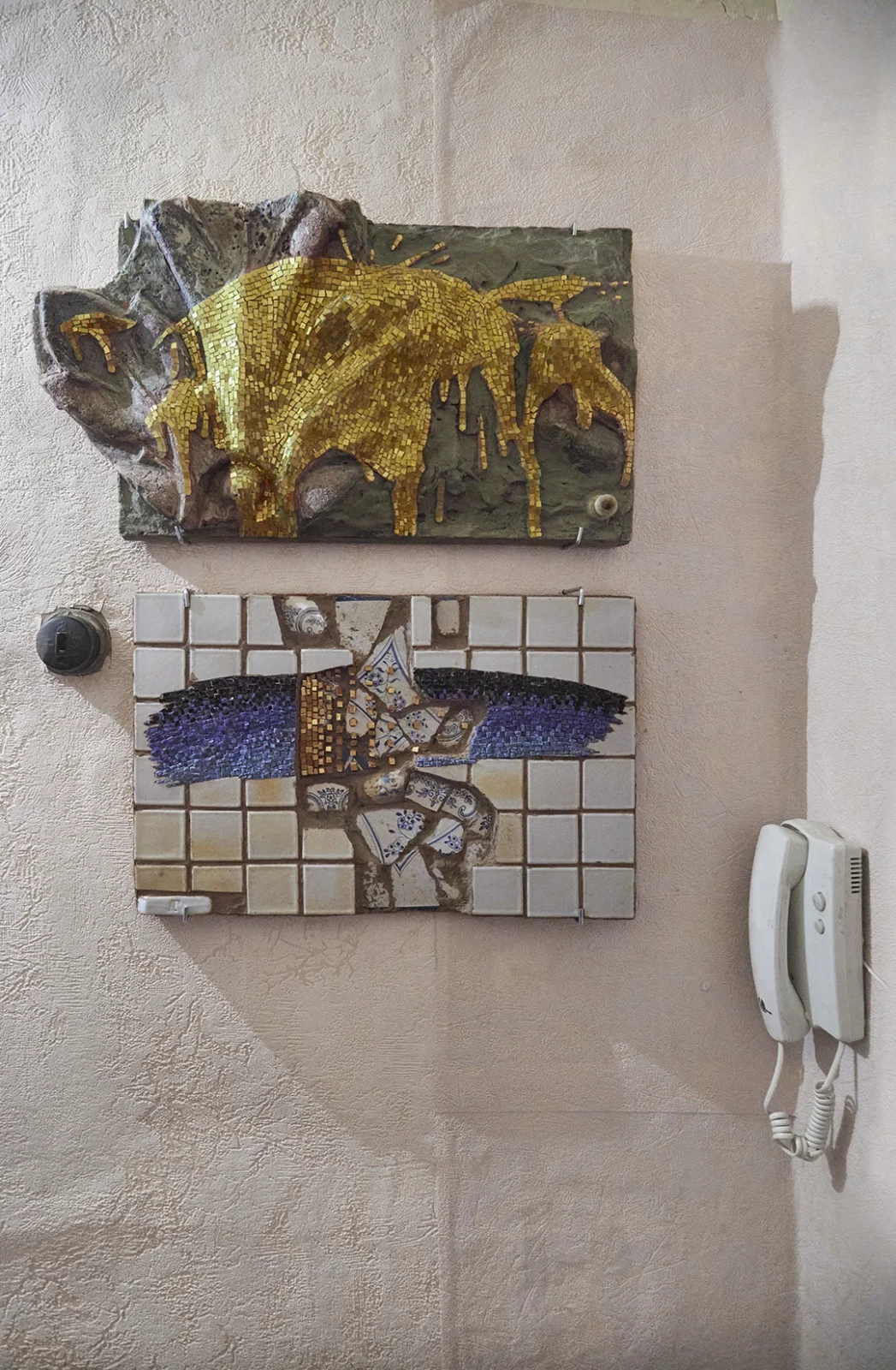
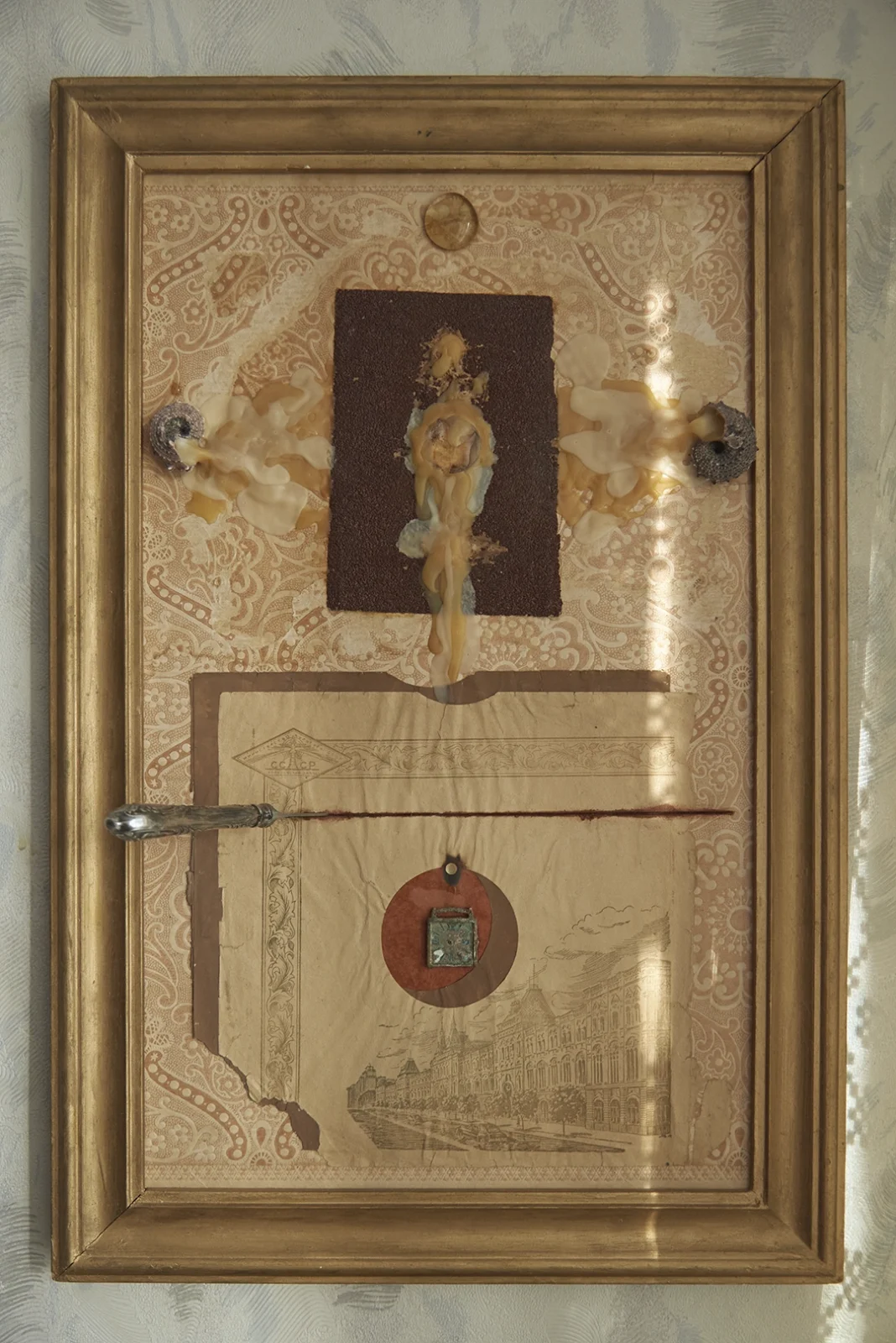
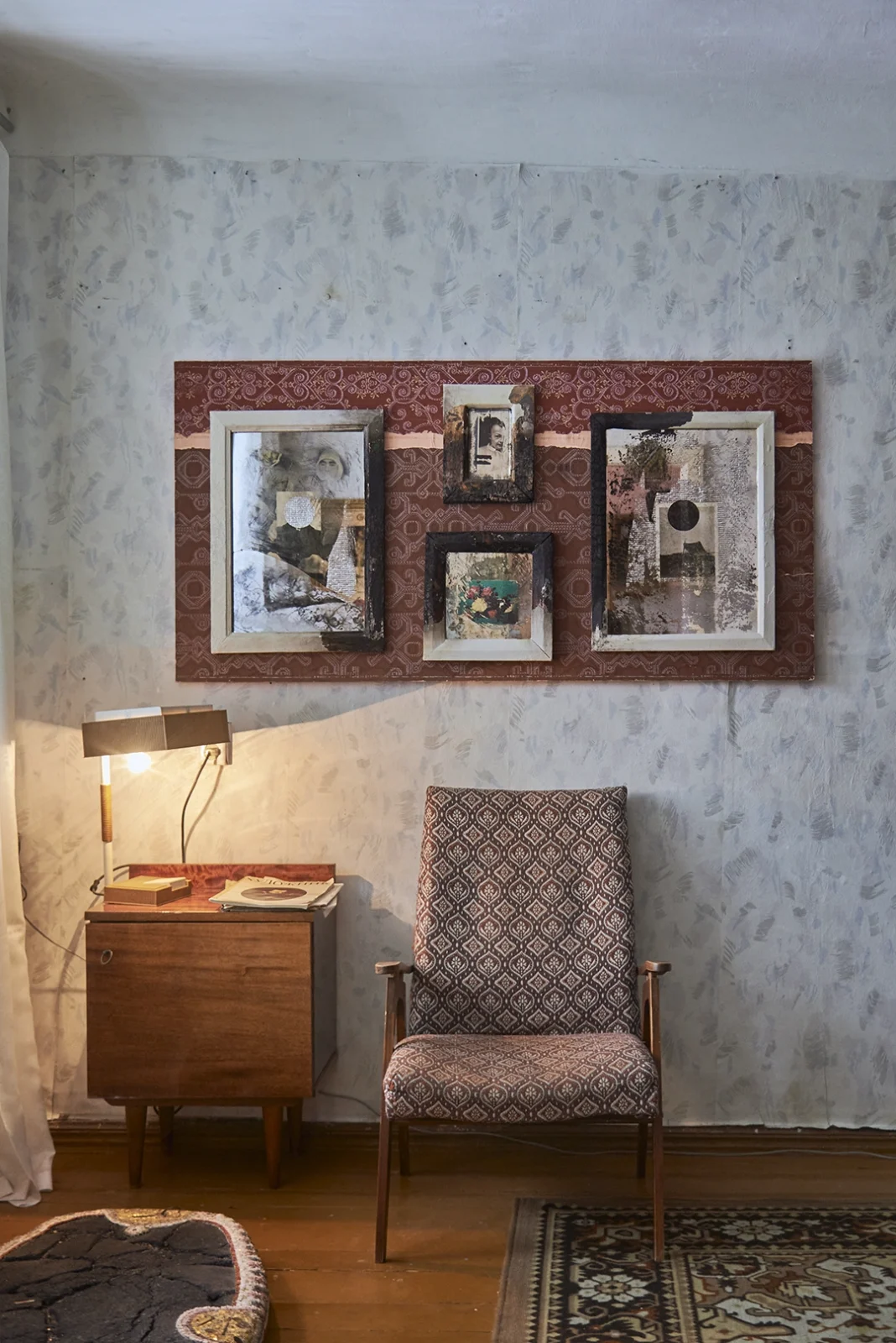
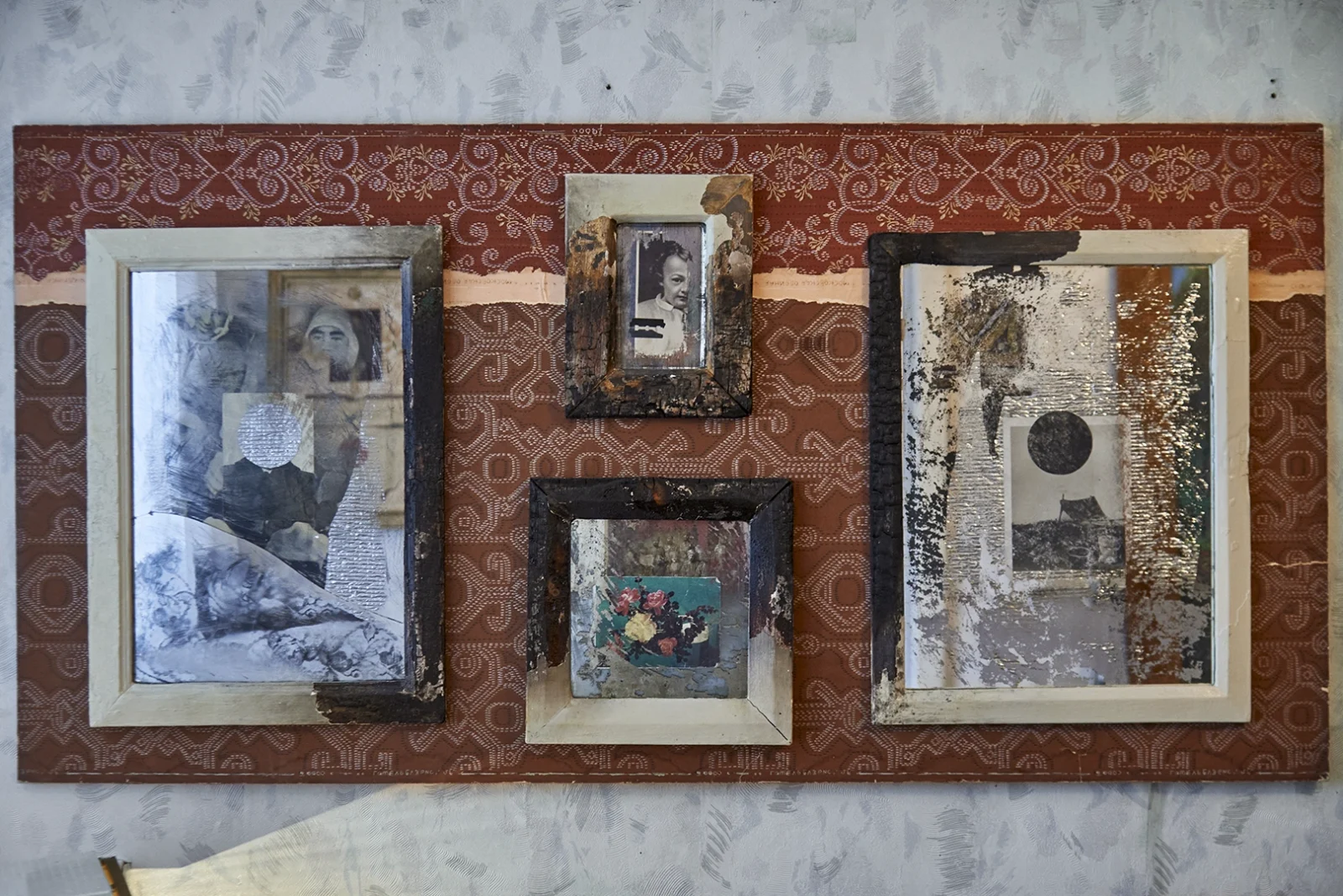
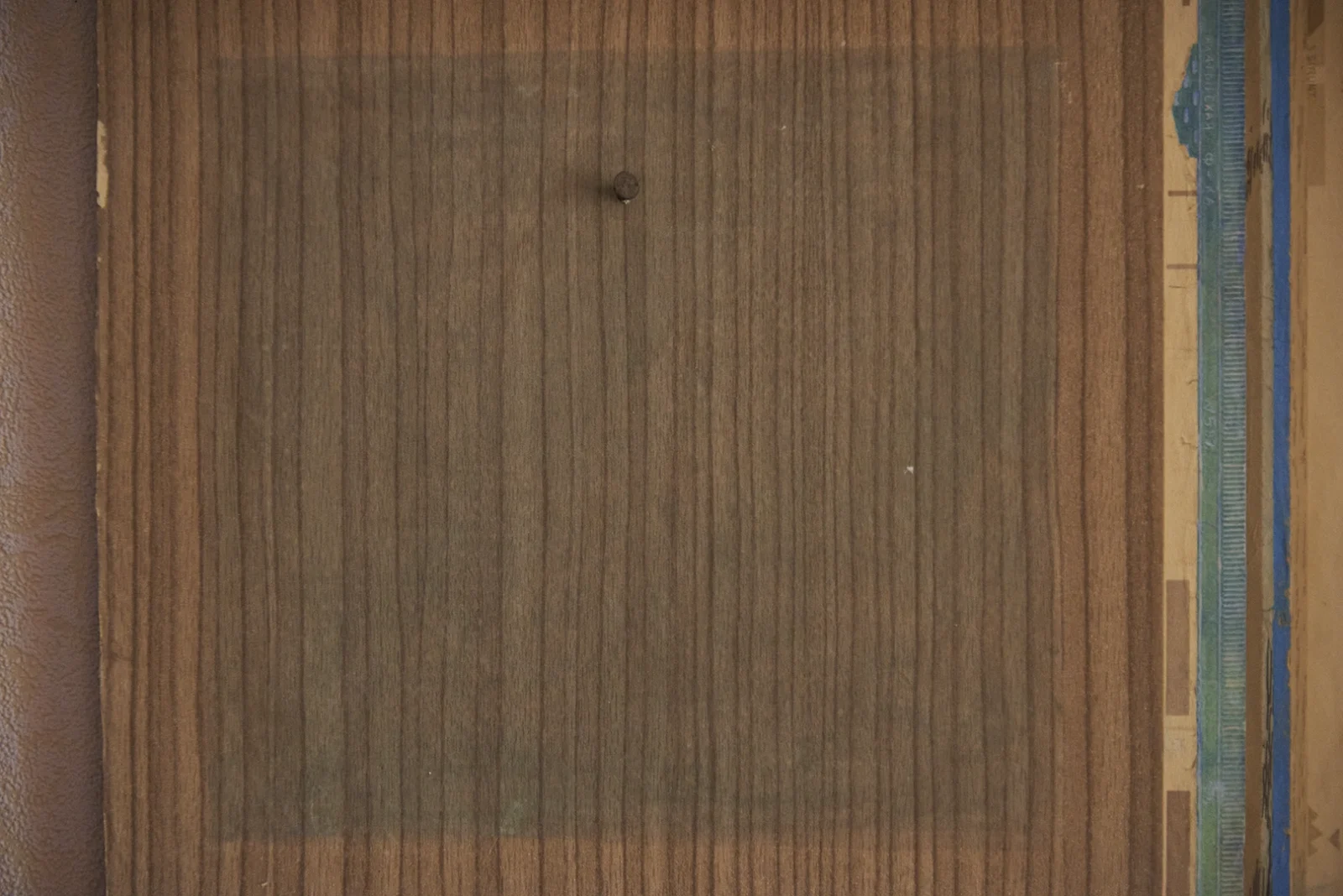
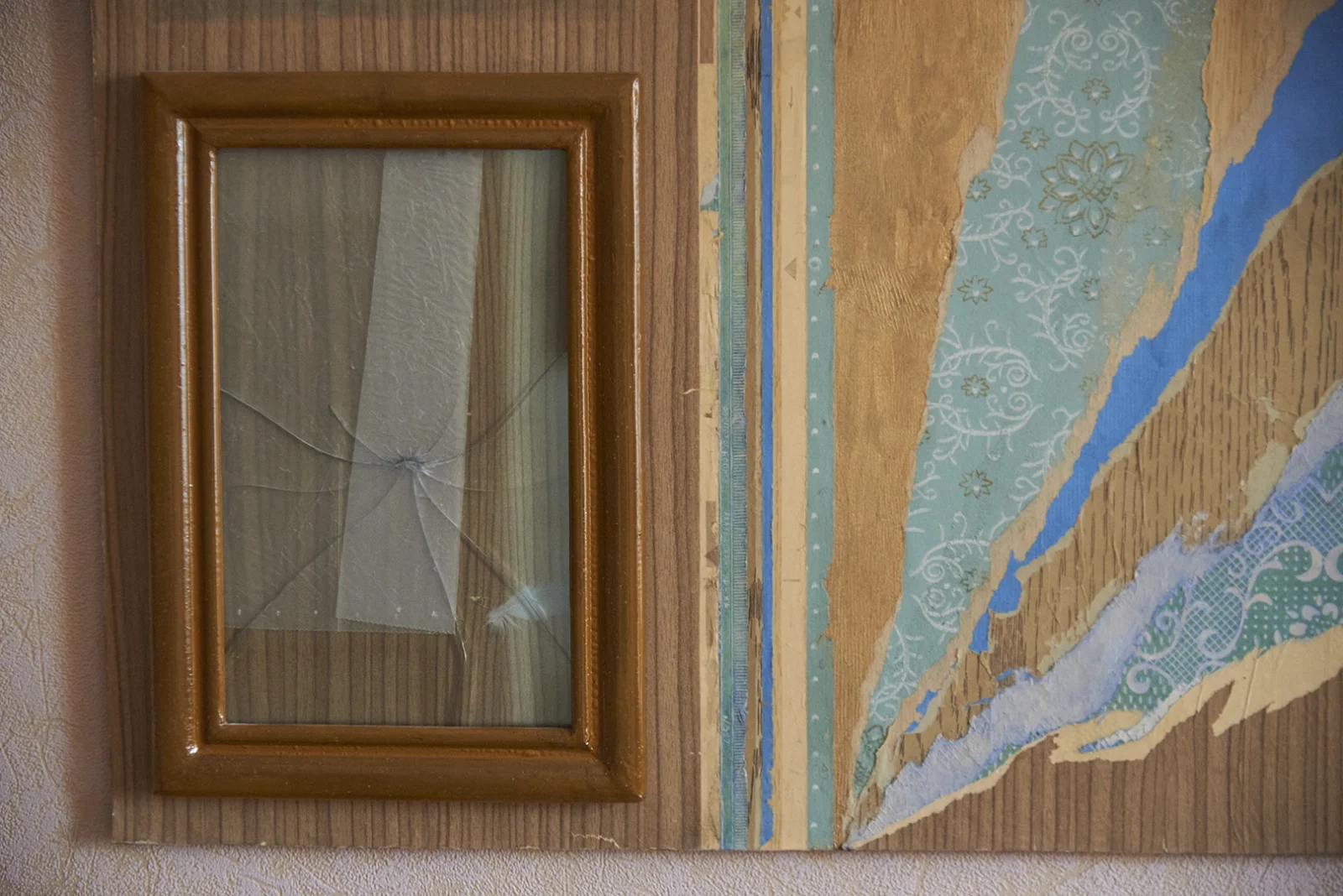
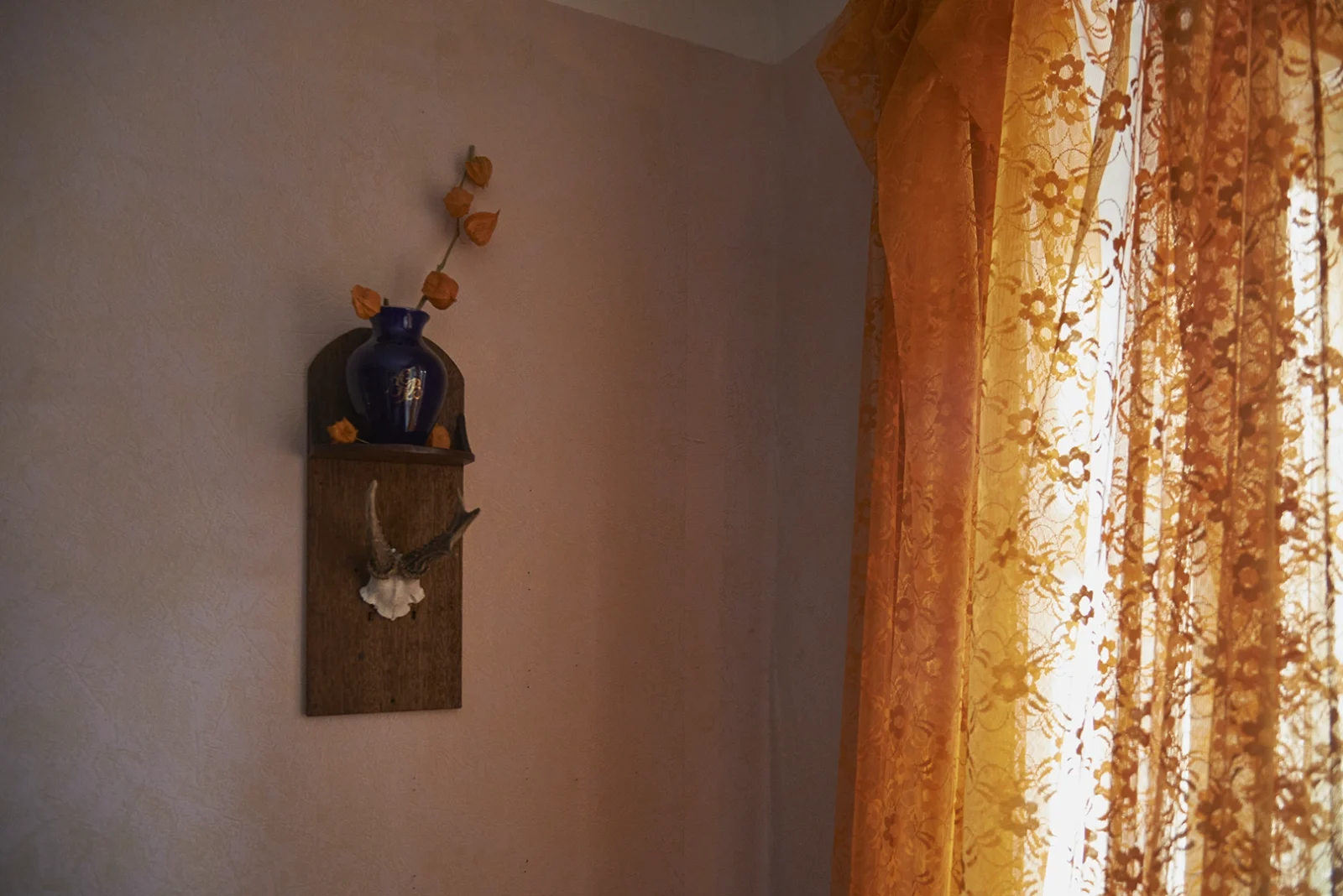
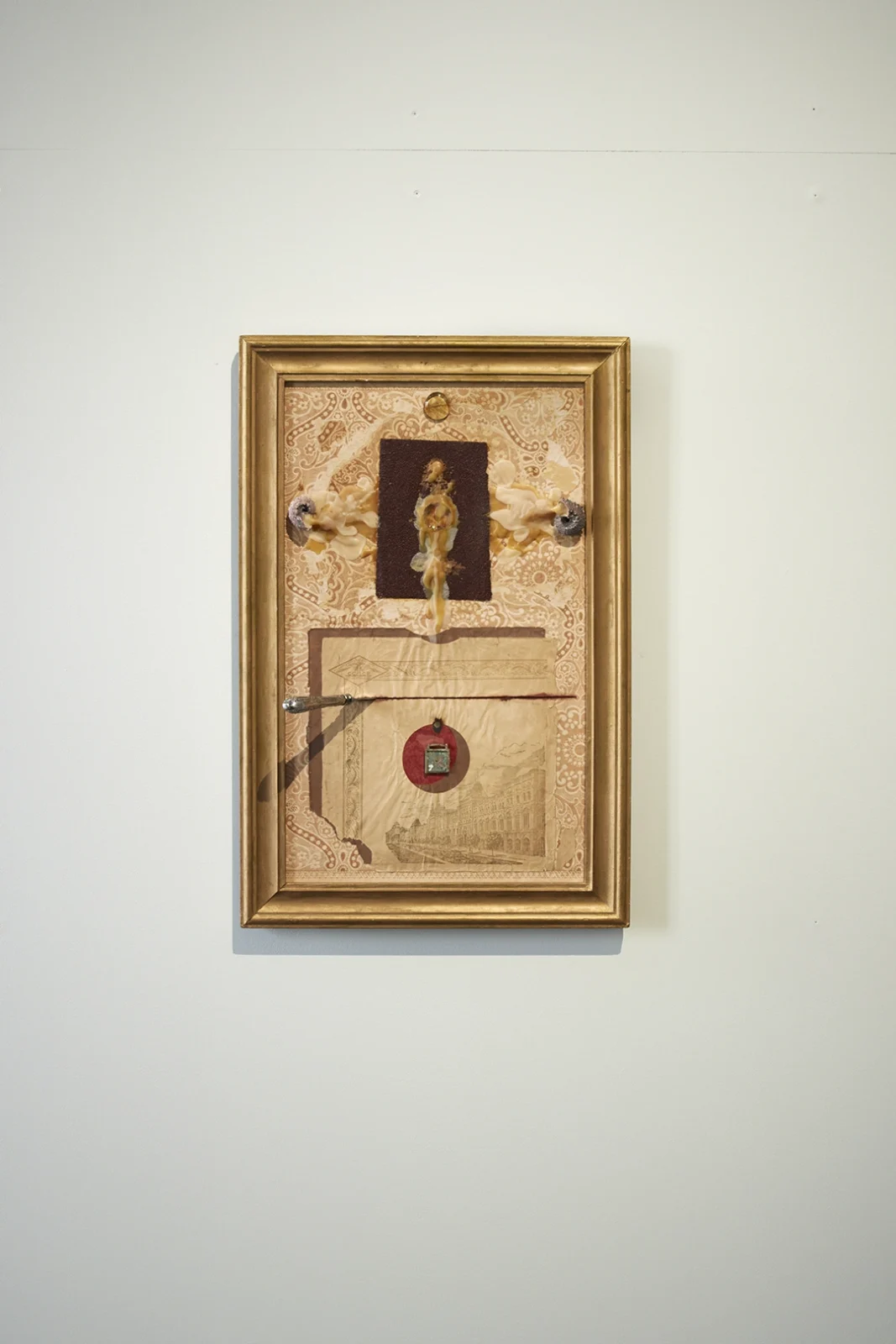
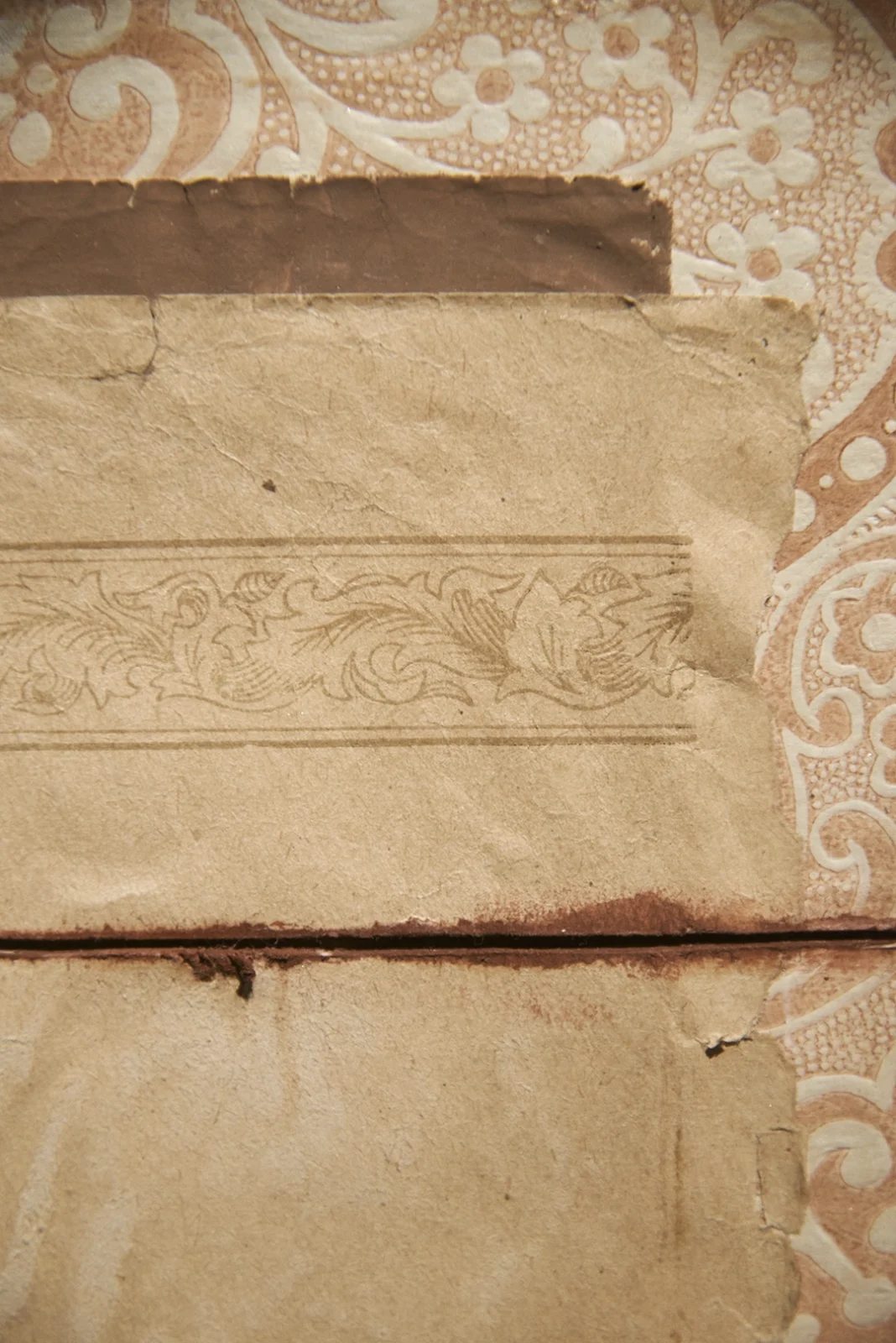
Life takes place in different spaces and dimensions. The border between them is sometimes quite clear, sometimes very illusory. So are the works of Sergey Boyarintsev. Being fixed by their names in some specific places, rooms, they nevertheless open up the possibility of entering into an endless stream of interpretations. “The Children’s Room”, “The Living Room”, “The Bedroom” (2017–2018) – are an attempt of the memory archeology, creating a concise, capacious image of abandoned places that still retain the very traces of life. What we find in abandoned, neglected houses (layers of wallpaper, traces of paintings that once hung, nails that no longer hold anything, fragments of photographs) here become elements of collage and assemblage, an artistic means that creates both an intimate and universal image of these spaces.
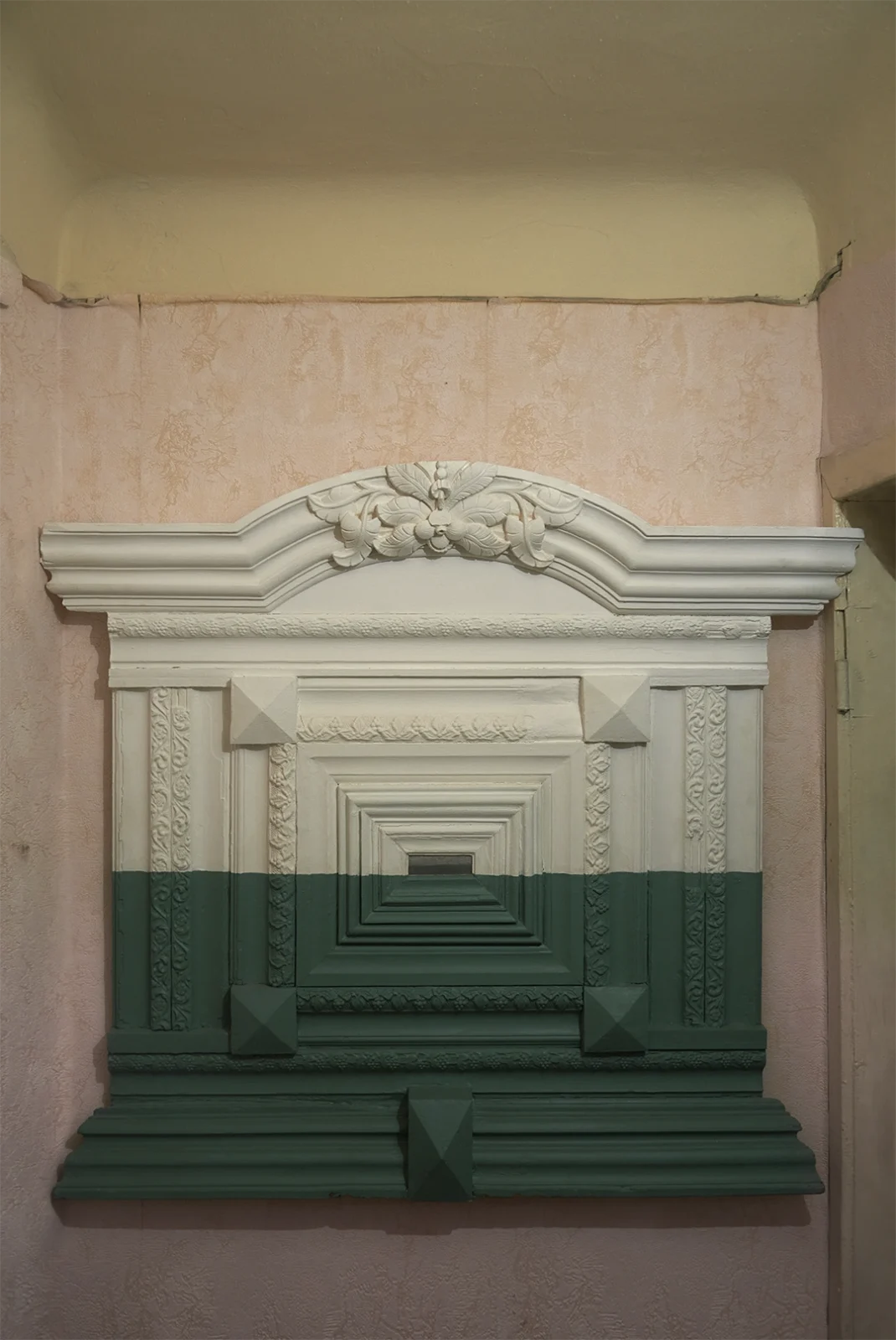
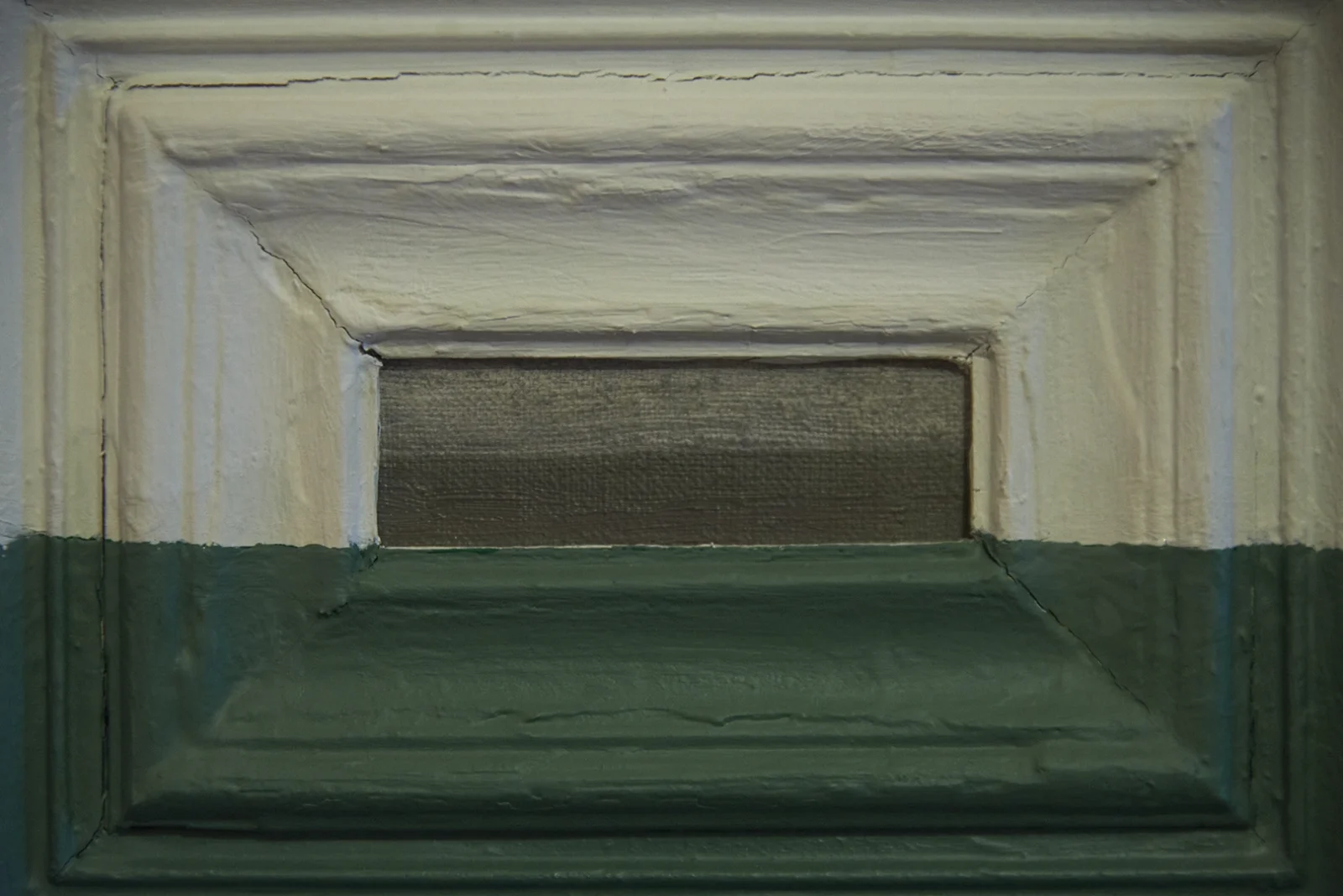
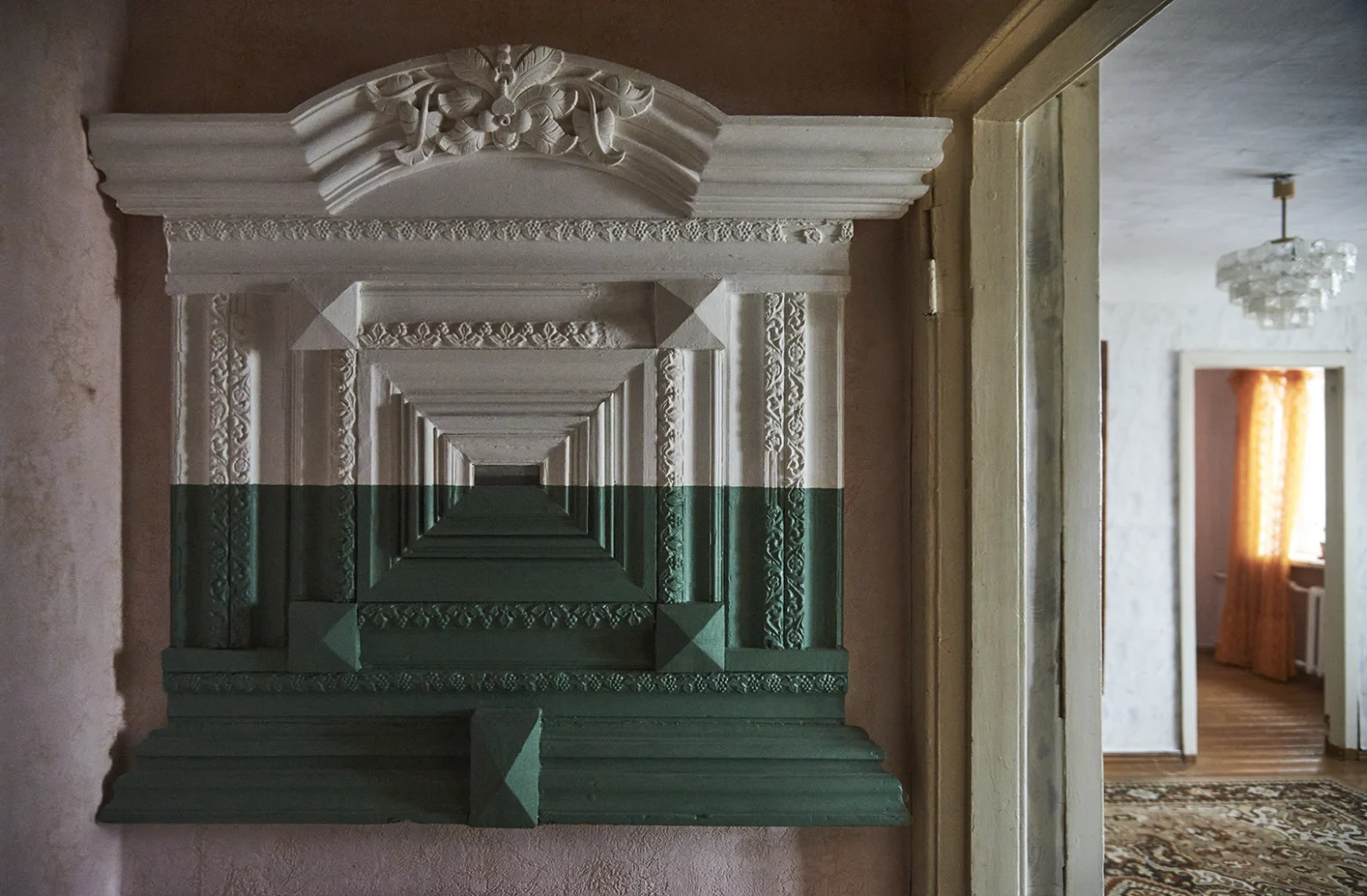
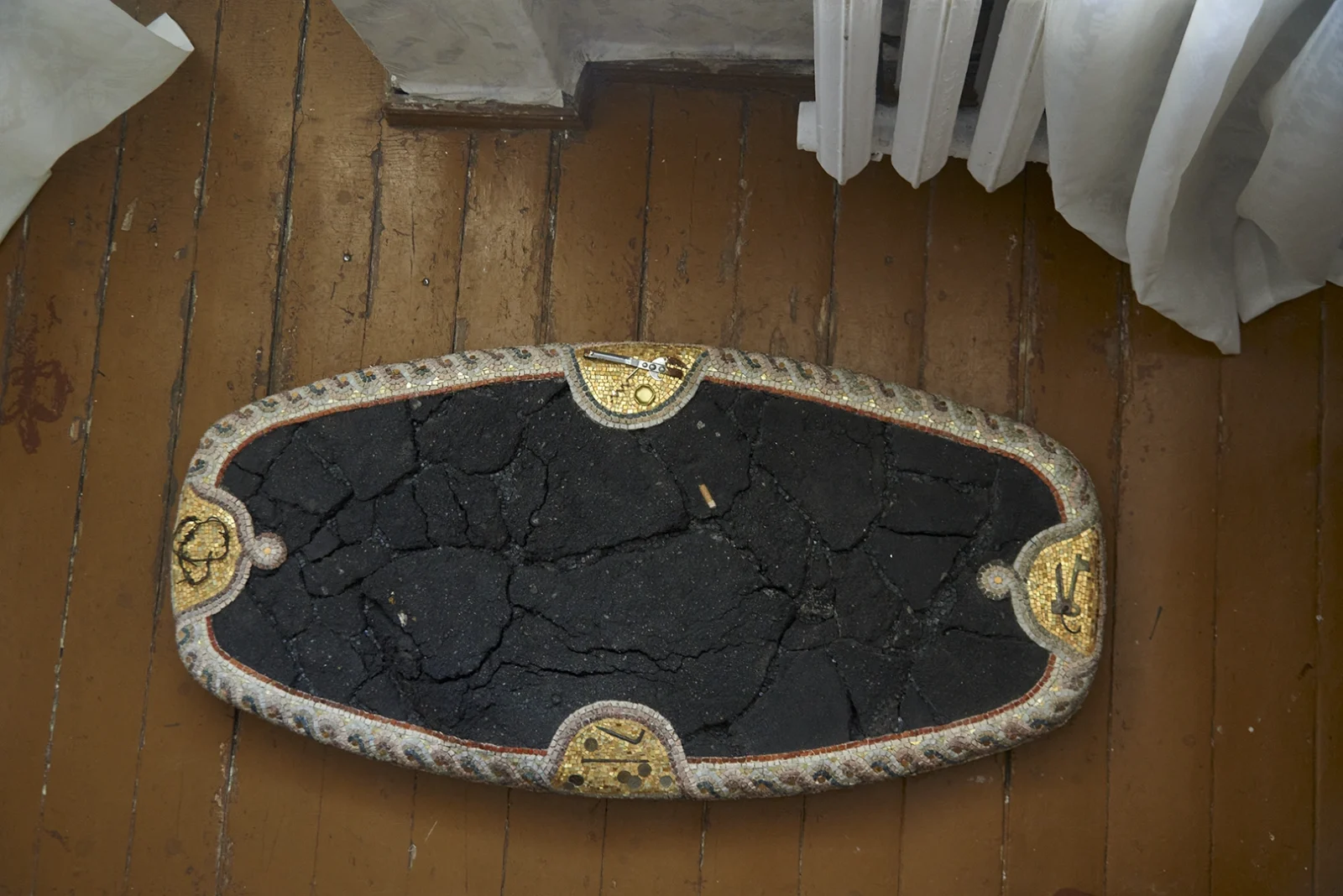
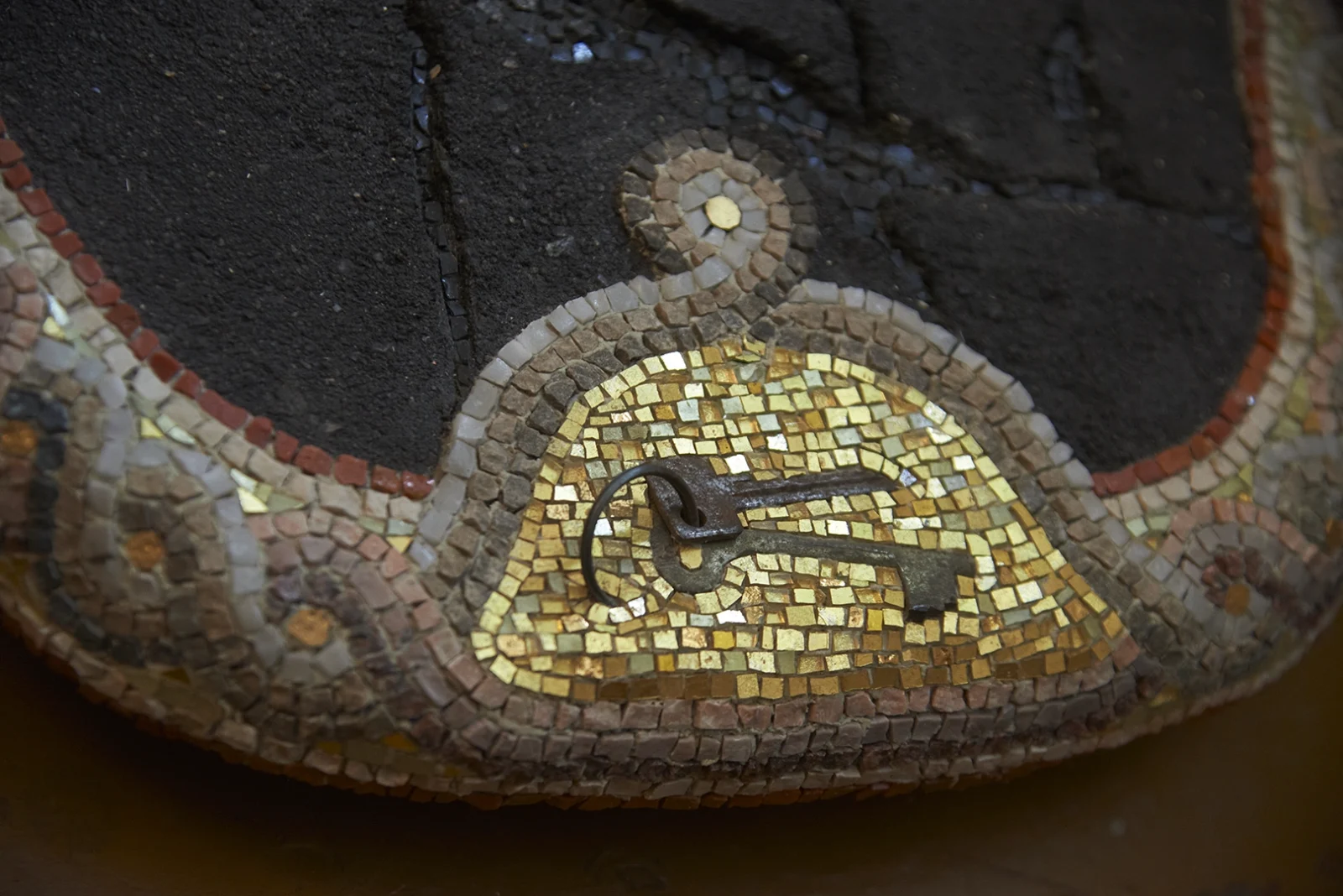
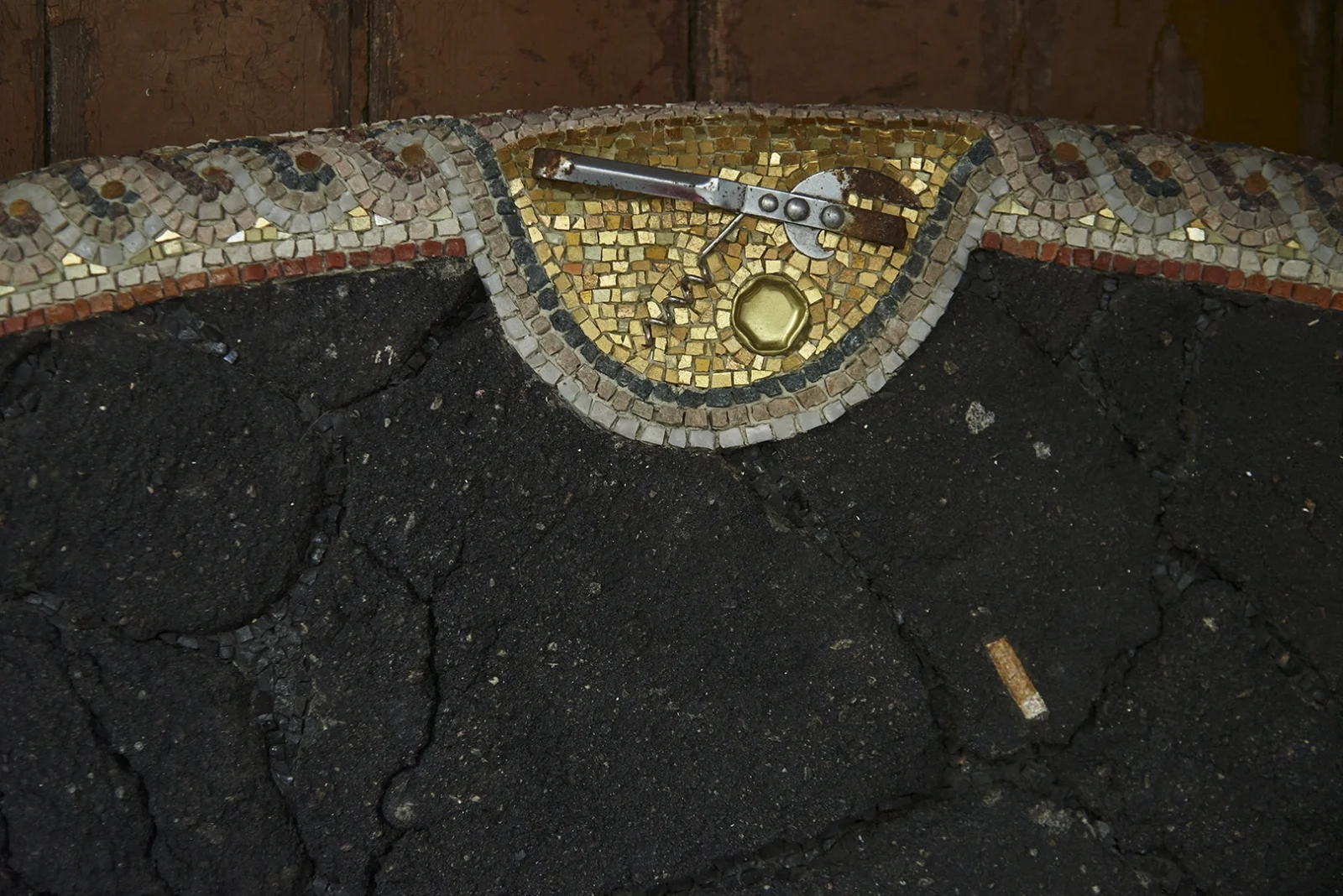
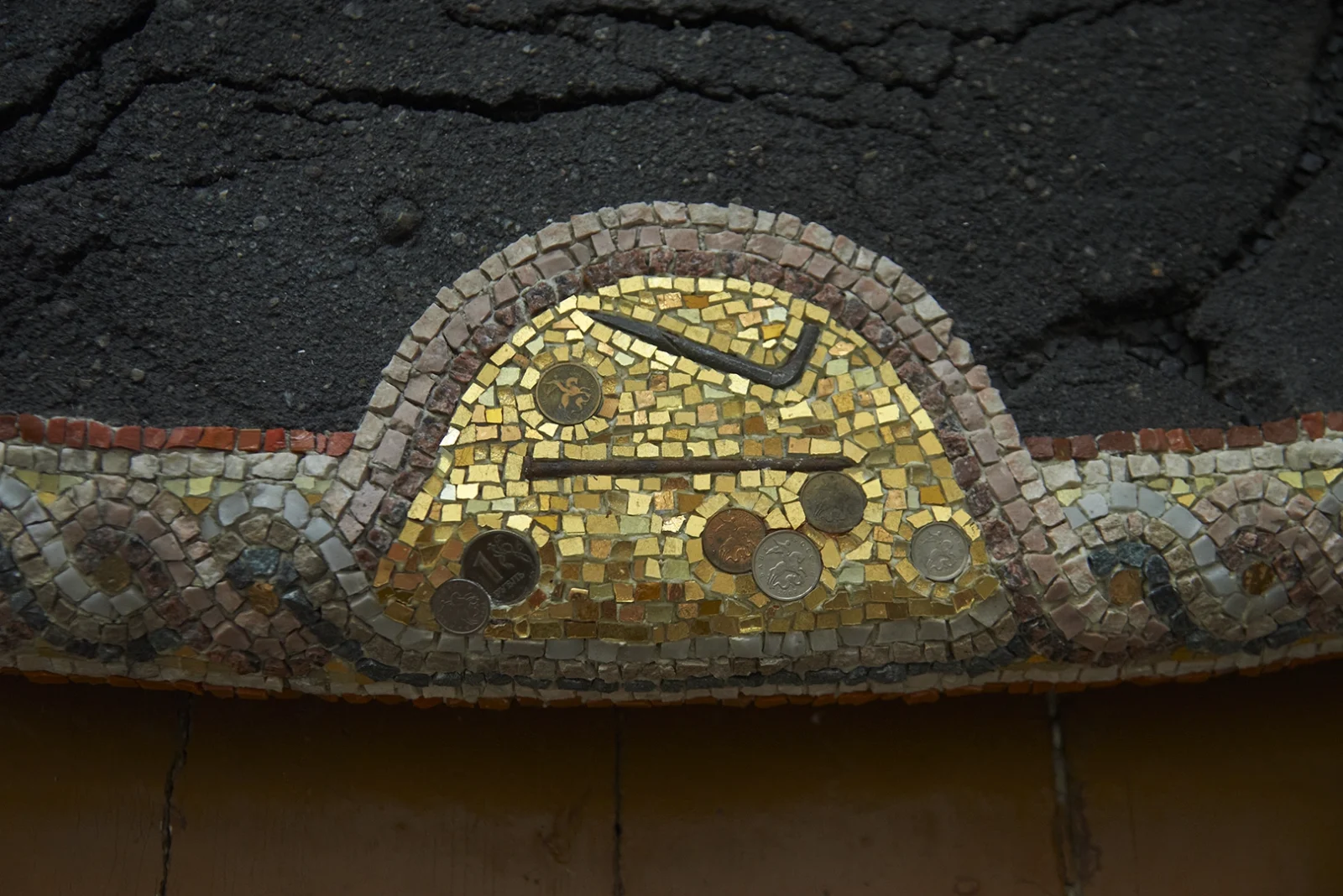
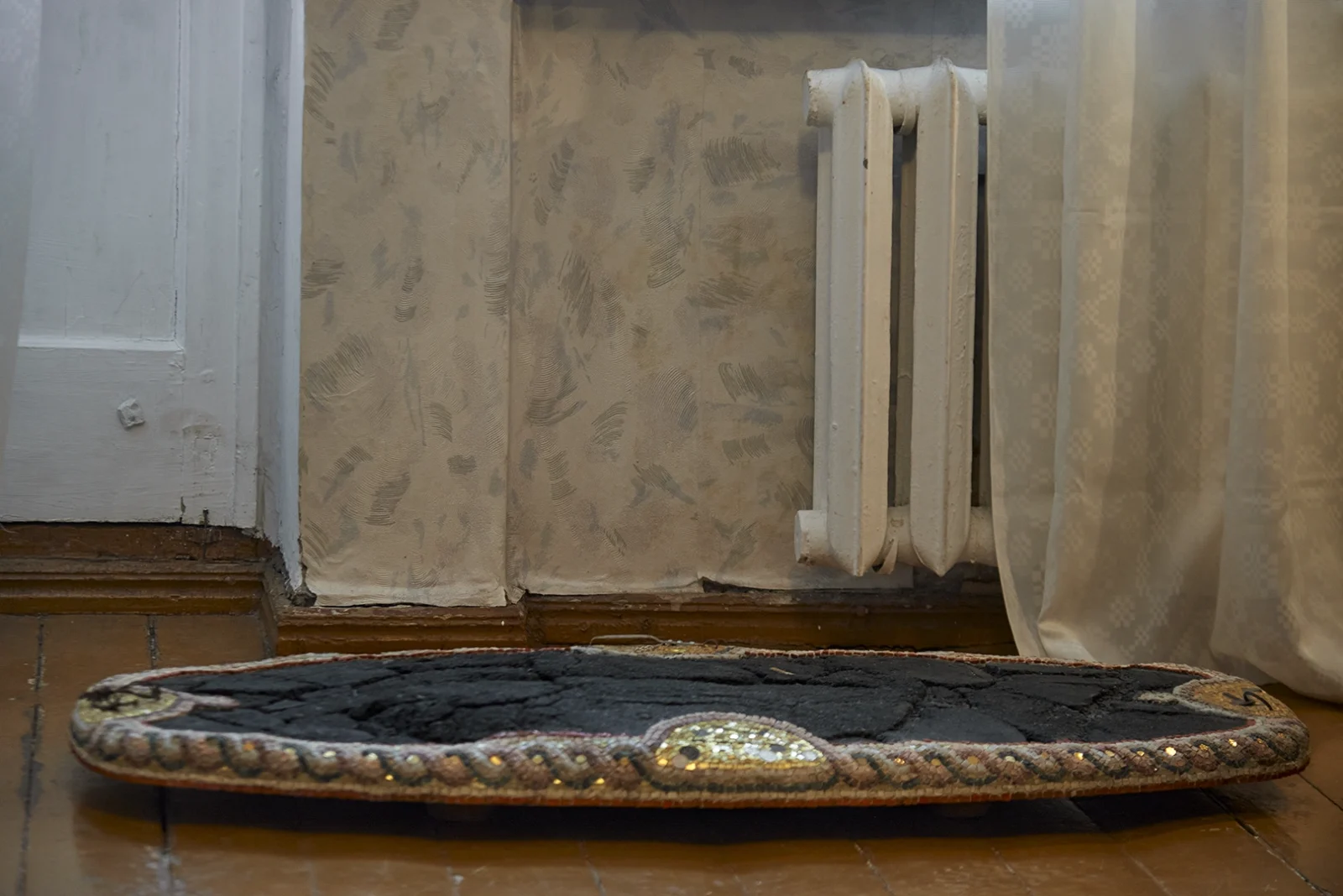
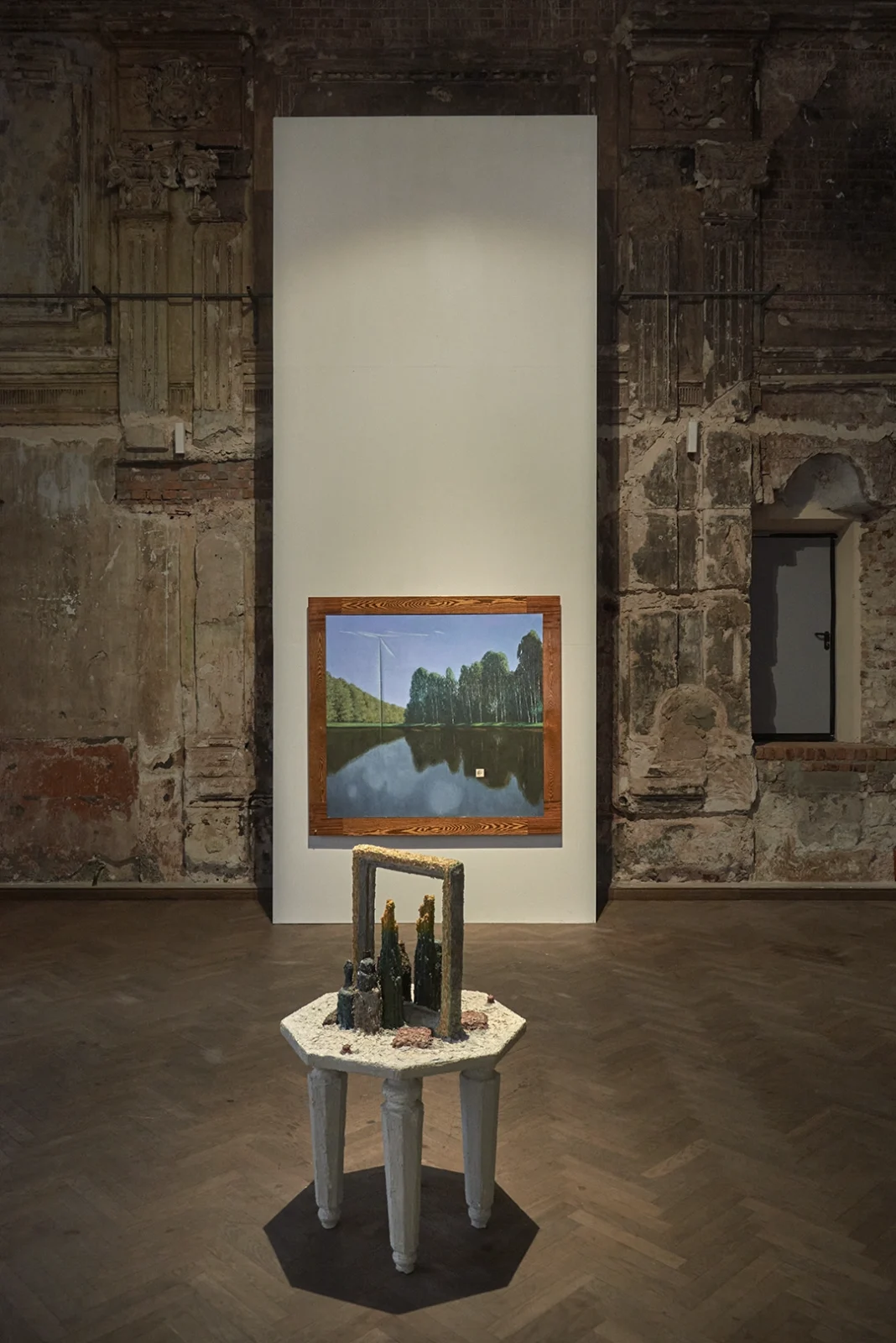
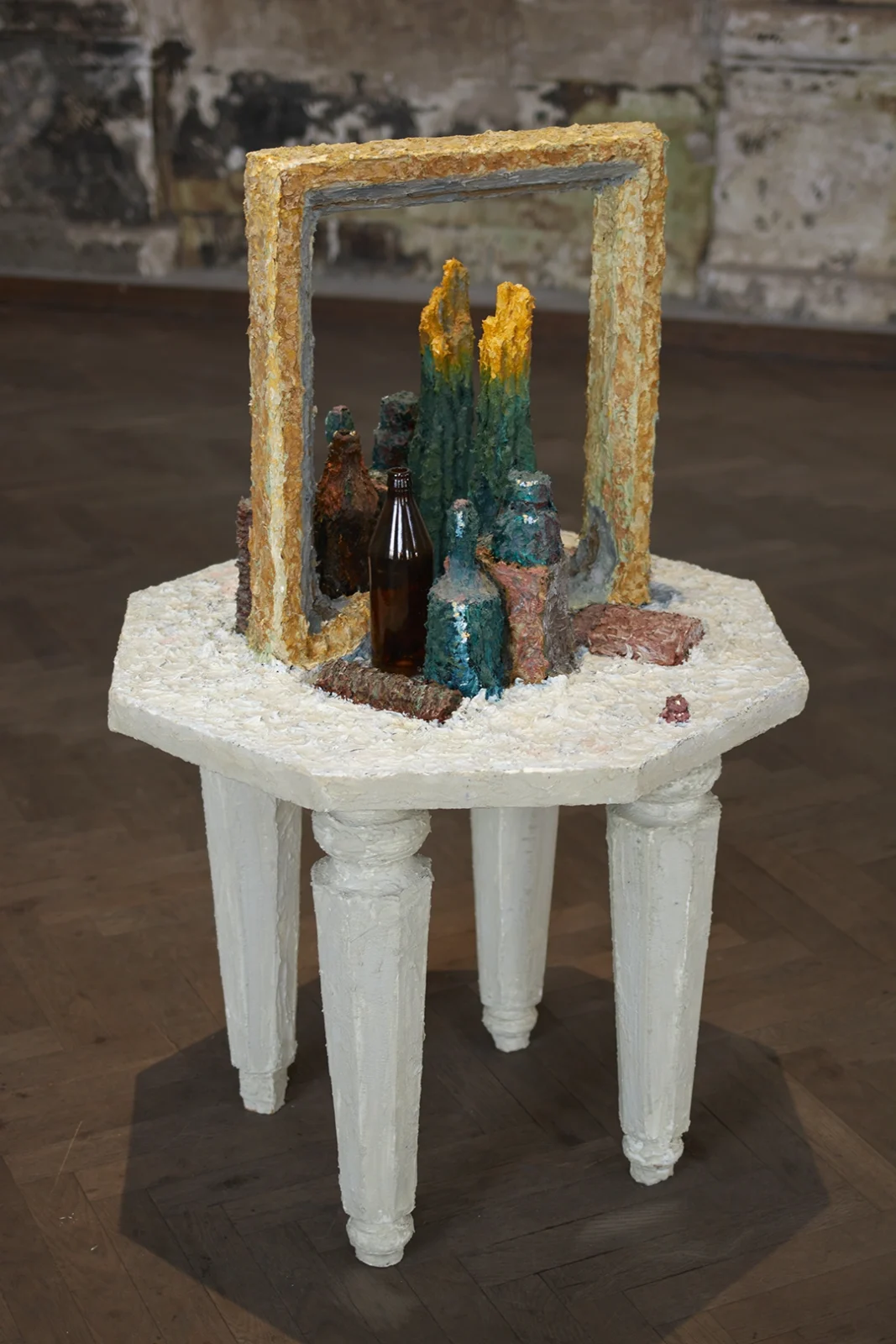
The border spaces between the personal and the public are addressed by “Double Landscape from Childhood”, the series “About the Aesthetics of Vandalism” and “Cigarette Butt (devoted to A. Tinyakov)” 2017–2018. Here, the collective image of the surrounding world, consisting of such insignificant elements as asphalt, lost things, garbage, and the official color of the walls, become important due to the presence of the personal. Personal experience brings together the disparate visual images that surround a person everywhere. The artist sees a little more in the individual elements of reality. So the “Cigarette Butt” becomes not only a dialogue between the significant (solemn mosaic framing of the work) and the insignificant (cracked asphalt with a cigarette butt), but also a reminiscence of a well-known phenomenon in the history of mosaic – “unswept floor” (Rome, II–III centuries AD). “Double Landscape from Childhood” turns the entrance paint and exterior decor into a massive frame enclosing a modest landscape. The question of the boundary between life and art remains open.
Collage and assemblage are well-known techniques for including real objects and their fragments in the space of a work. Artistic thought in the twentieth century brings the use of objects in art to the extreme, to their complete dissolution in each other. The readymade of Marcel Duchamp, which became, in the words of Thierry de Duve, a “paradigm” work, completely changed the ways of seeing and reading art. Now the finished item can act as a self-sufficient work. The image gives way to the utterance.
Sergey Boyarintsev offers a new point of view on this well-established system of relations between the types of classical (painting, sculpture) and the forms of modern art (readymade, installation). Using the usual tools (oil, canvas) he creates works that, despite the presence of frames and formal resemblance to the painting, are more similar to readymades.
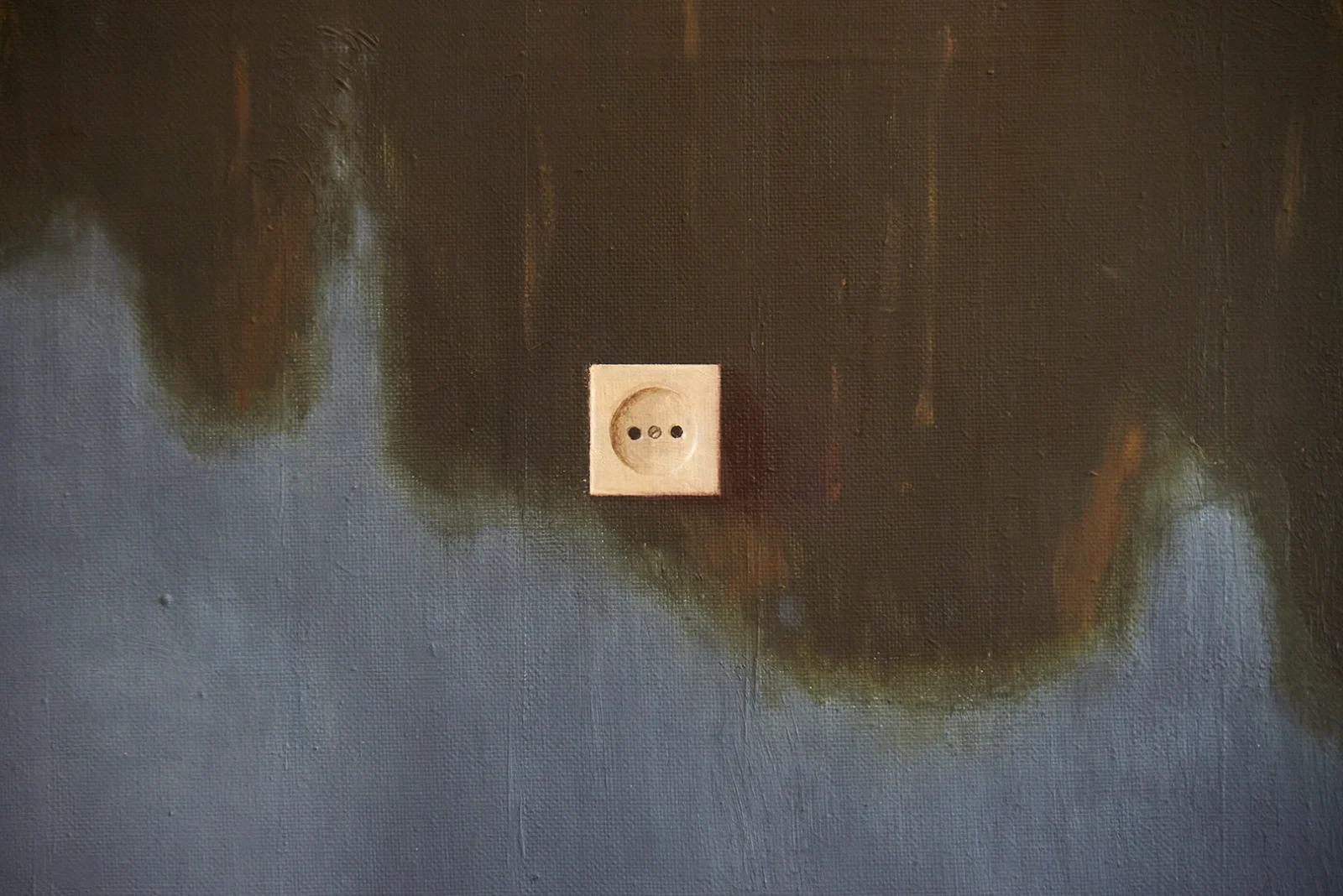
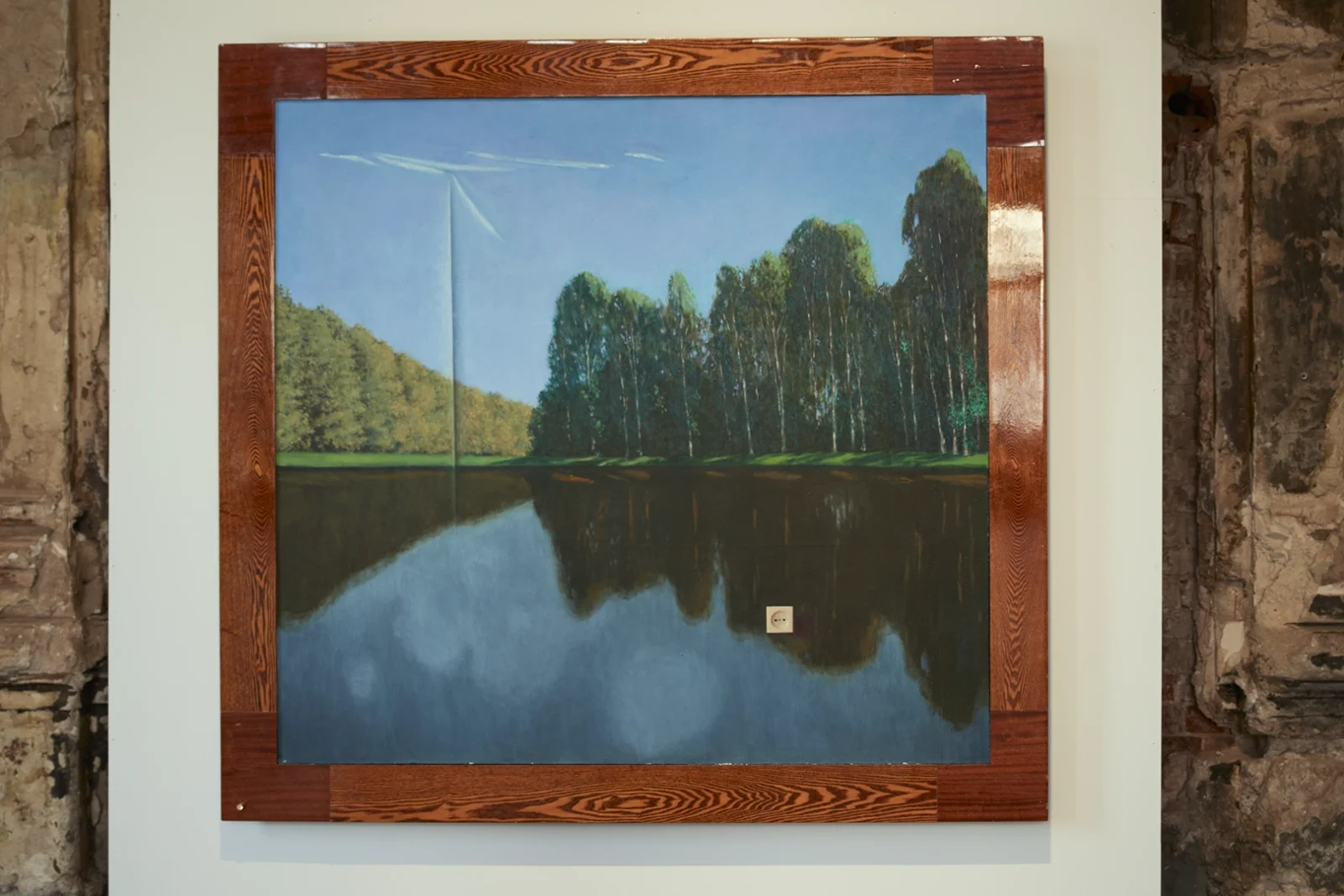
“Arcadian Idyll” (2018) puts the viewer in a dead end. At first glance, he sees a fragment of the wall: a photo wallpaper, separated at the seam, with an electrical outlet on it placed in a frame of glossy facades of the wall unit. However, a closer look allows you to see that there is no outlet and no wallpaper, and all this is a painting. The viewer finds himself in the position of Pinocchio in Geppetto’s closet in front of a painted hearth and can hardly resist the temptation to check whether what he sees is real.
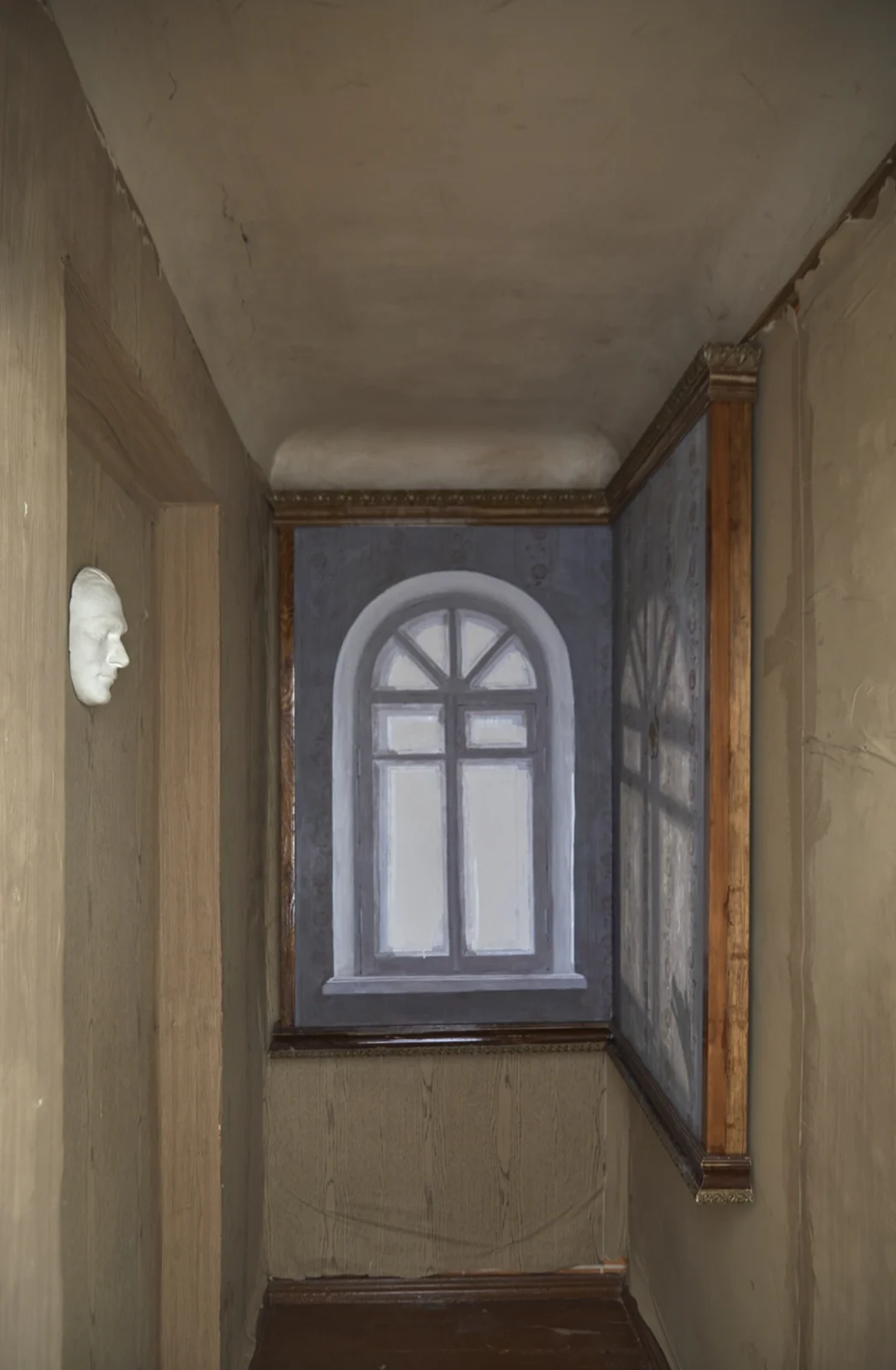
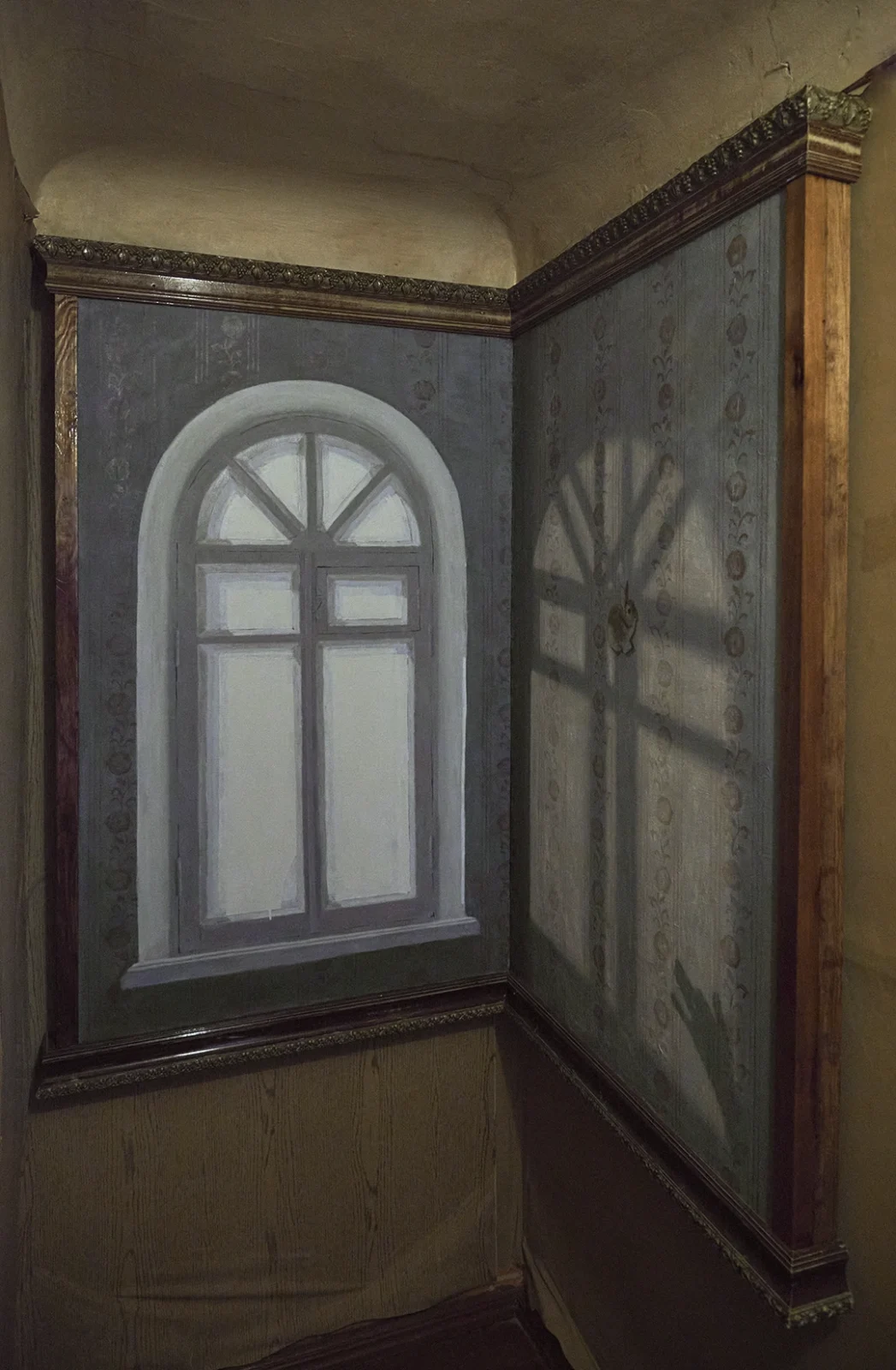
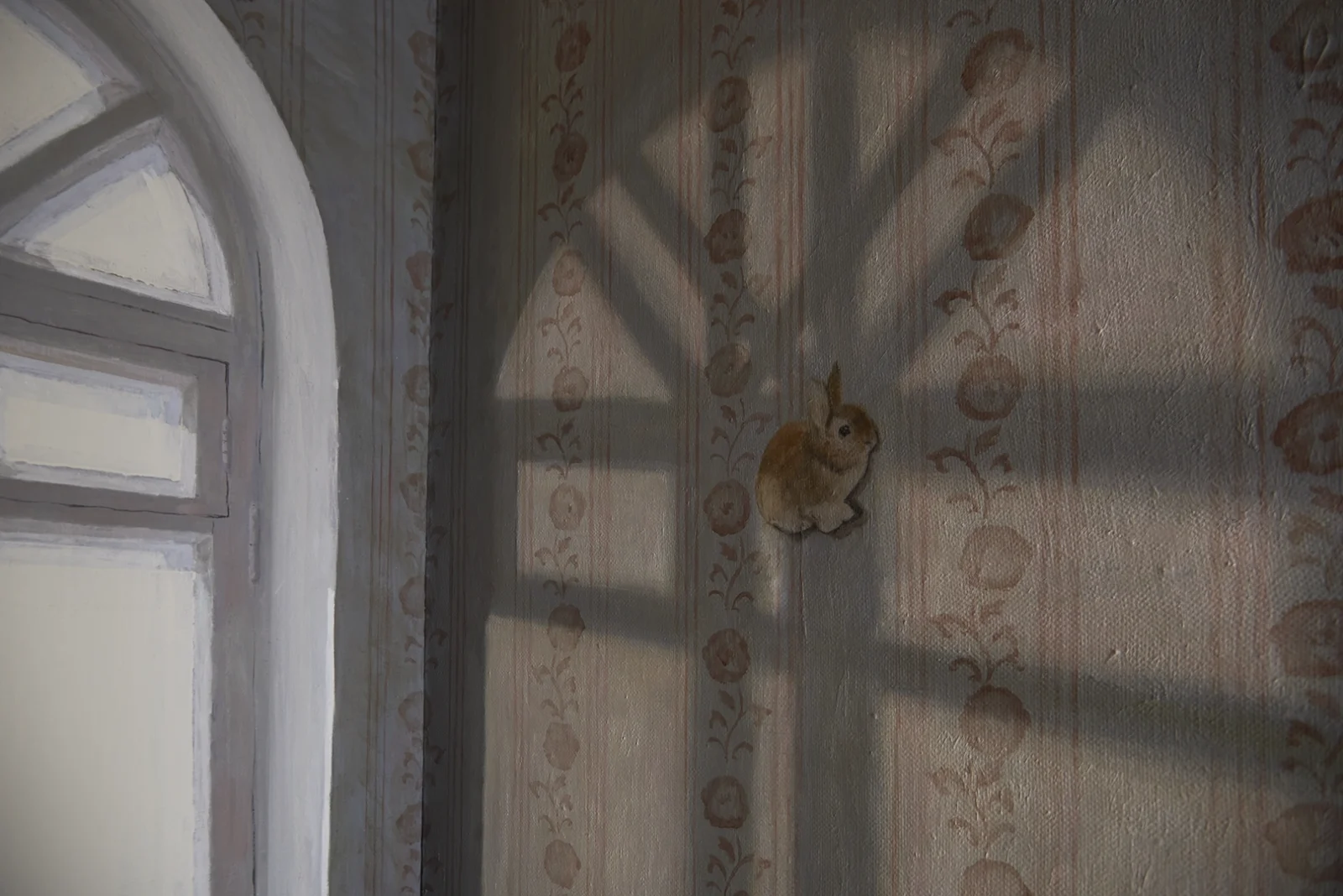
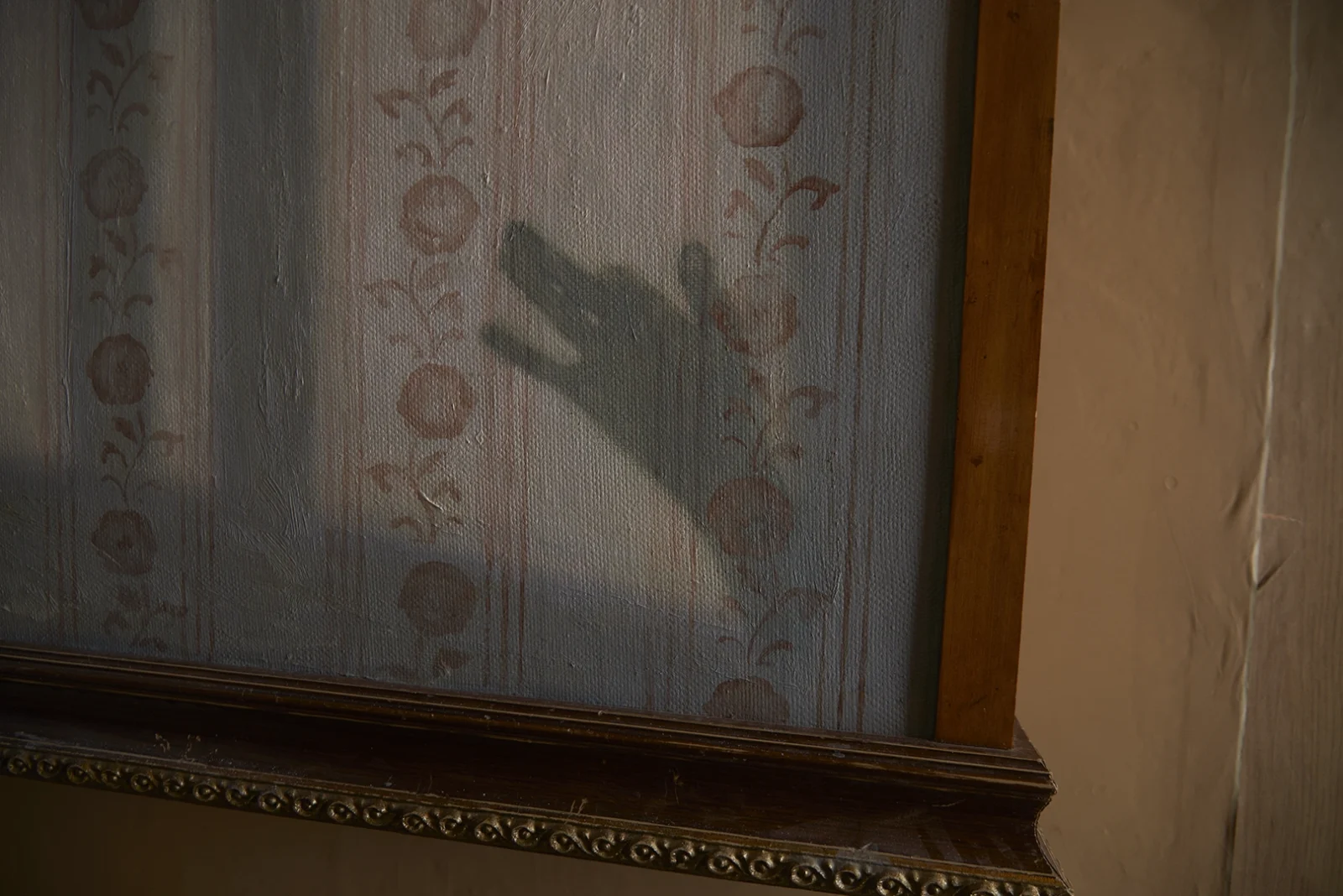
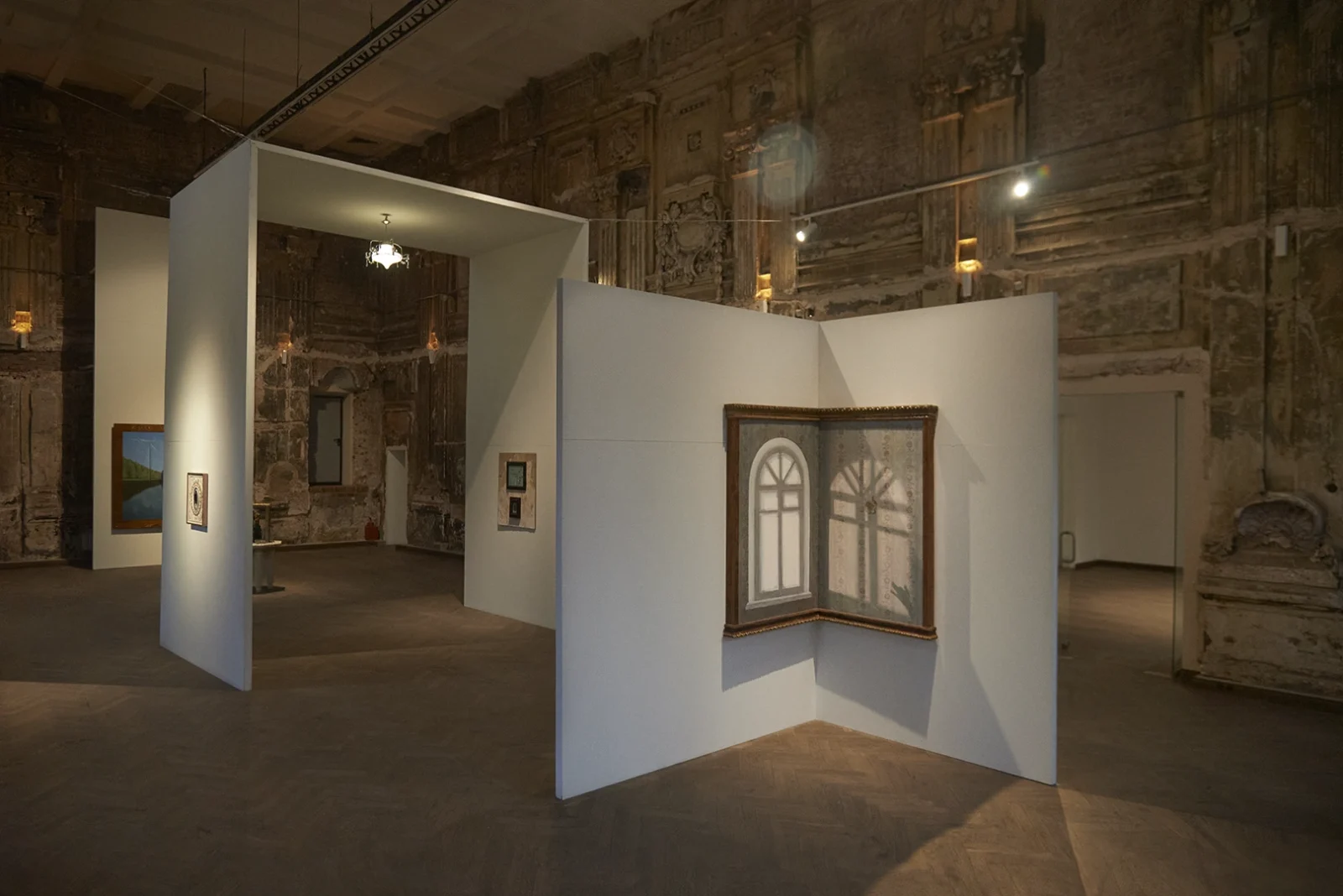
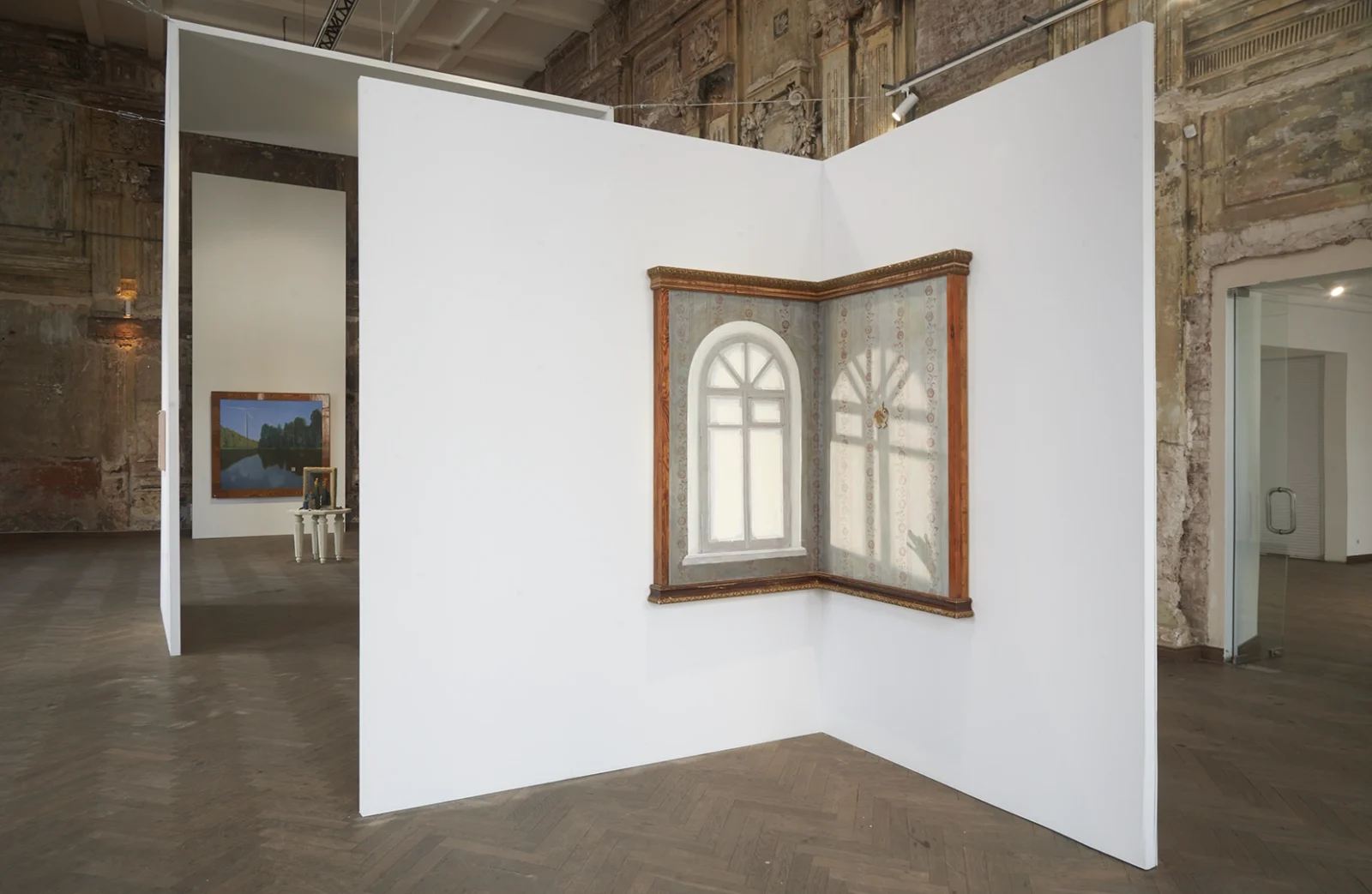
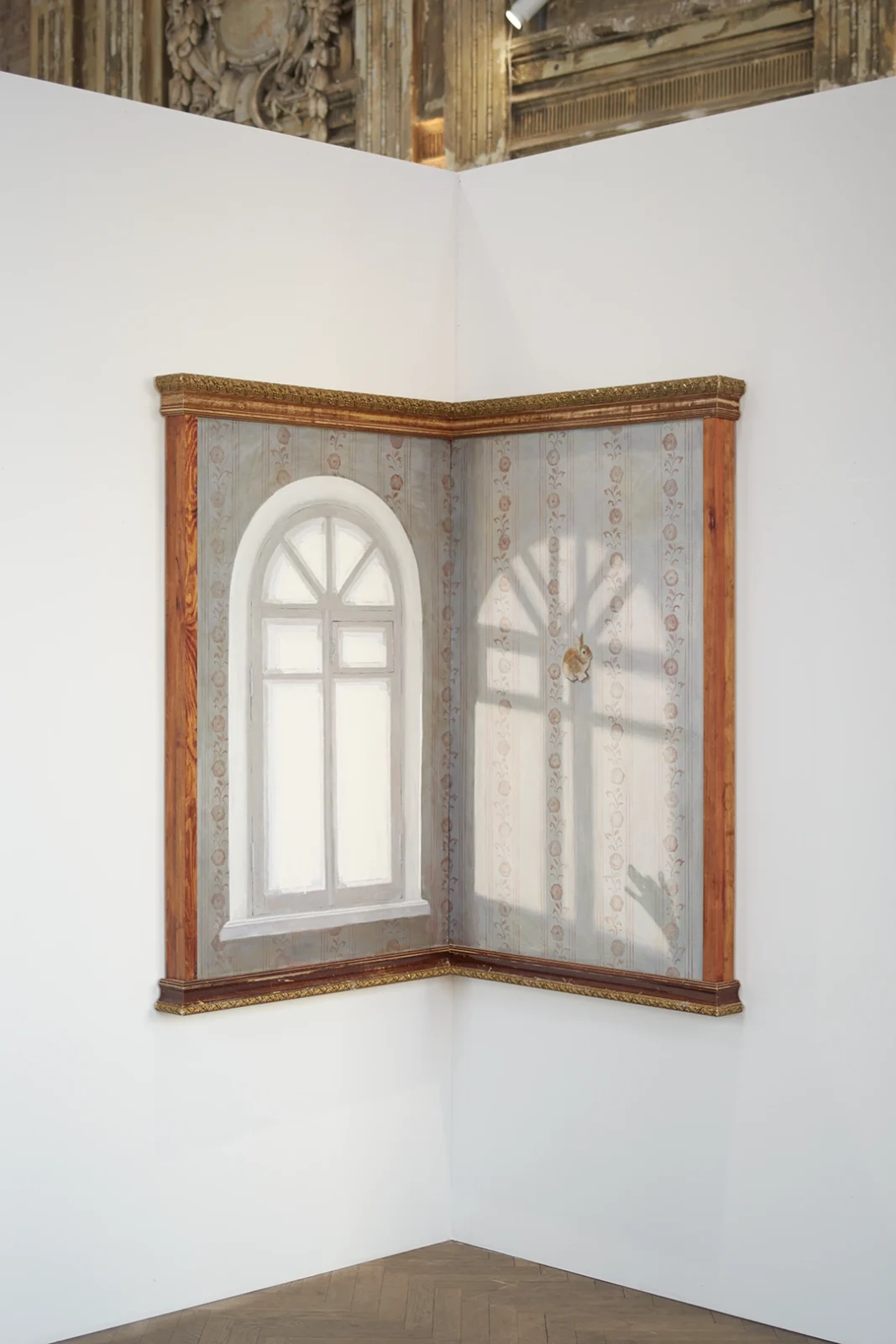
“The Year of the Rabbit” (2019–2021) presents an even more confusing situation. The viewer sees the window and the shadows cast by the window frame on the next wall, on the same wall someone unknown plays the shadow theater with the light, folding the head of a dog from the fingers of his hand. But all this is also painting. And the window, and the light, and the shadows. These are all paintings, but they do not depict some reality (a window in a room, a piece of wall with wallpaper), but present it to us in the form of an object that is not such. Moreover, being in front of the work, the viewer begins to realize that the main “event” takes place somewhere between the spaces of the canvases, between the window and the light spot on the wall. Classical, realistic painting becomes a frame that frames the moment of true reality. A simulacrum? An imitation of a readymade? Doubling down on reality? Trying to find the beginning in this tangle of endless references is dizzying. Only traces of real life remain.
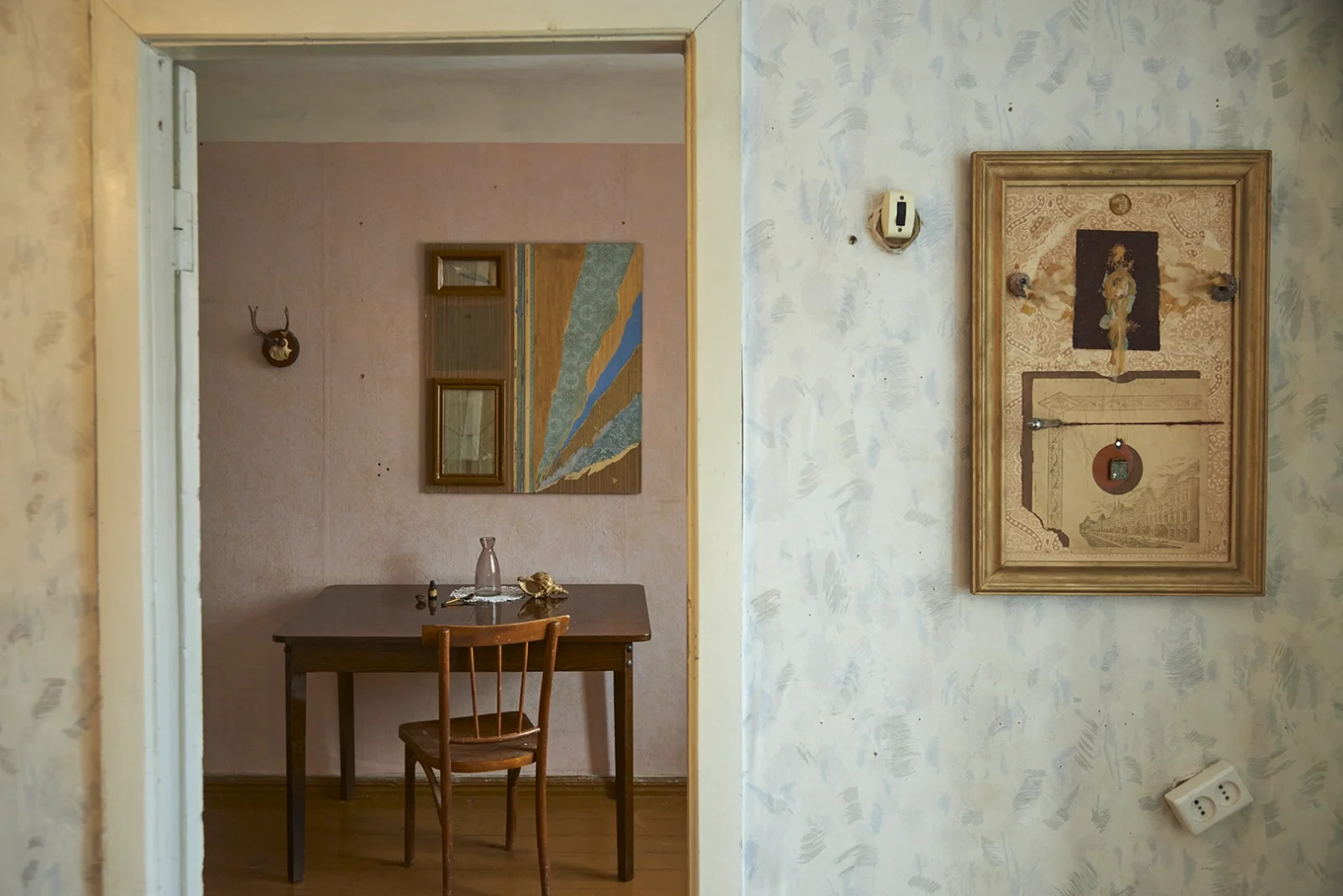
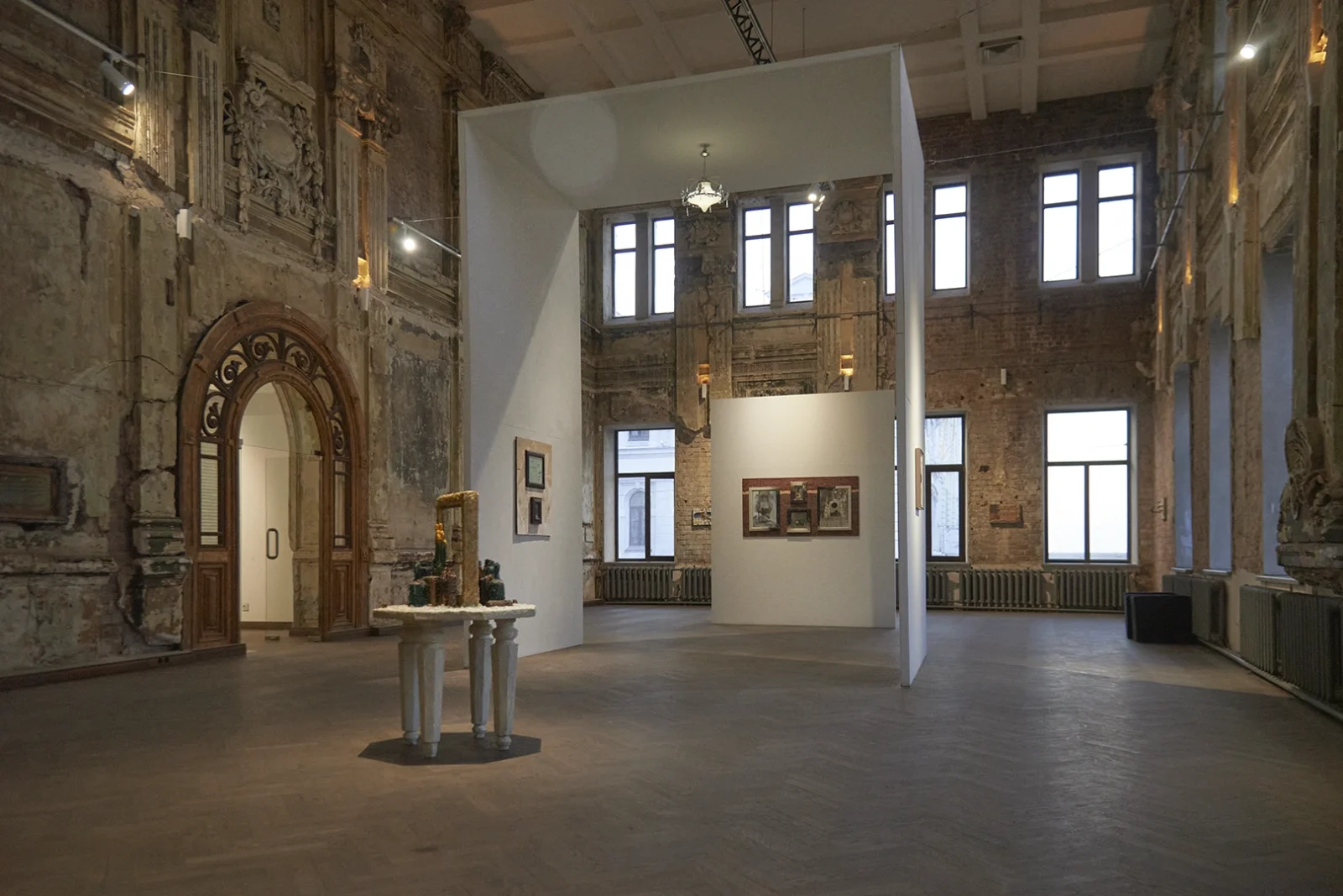
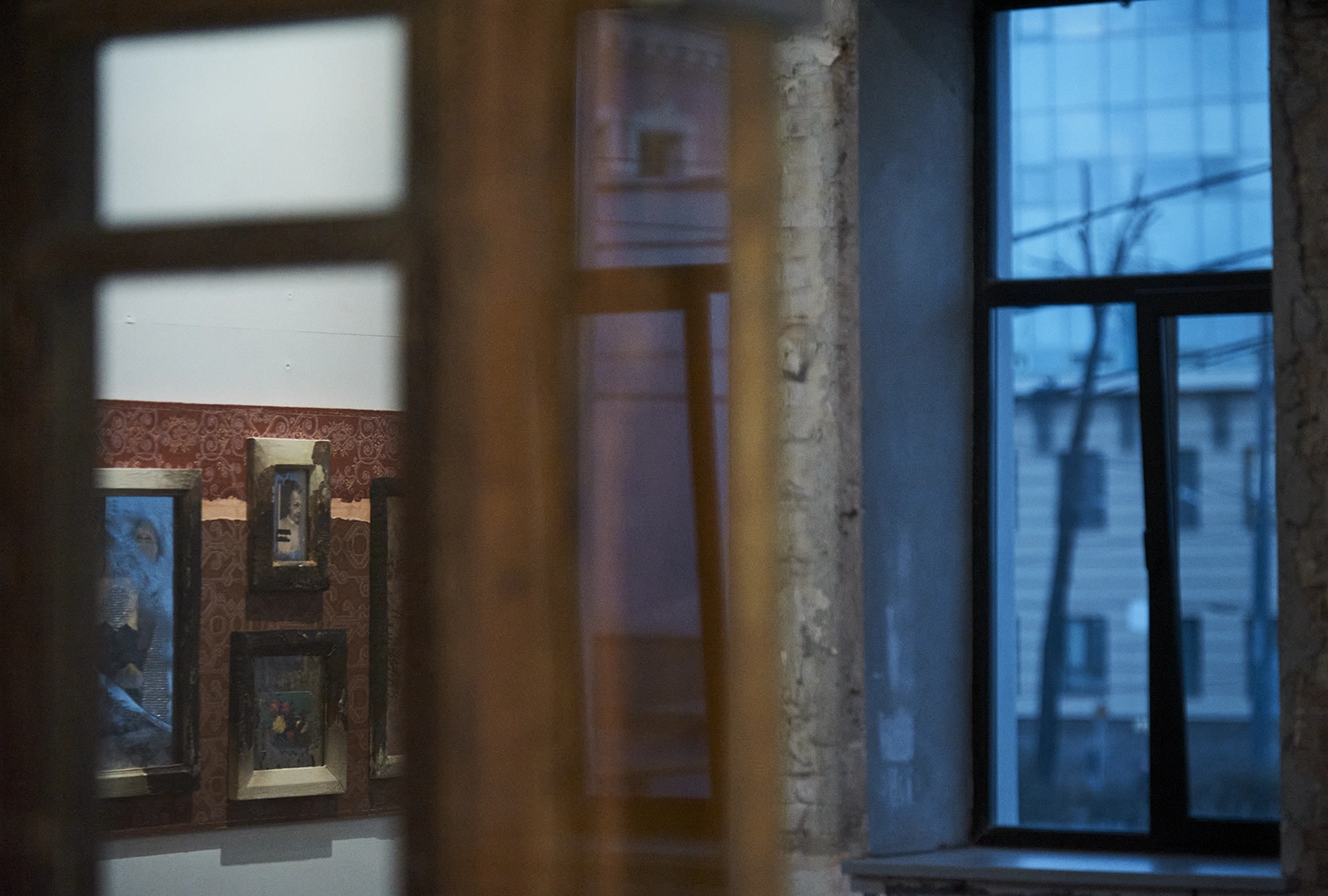
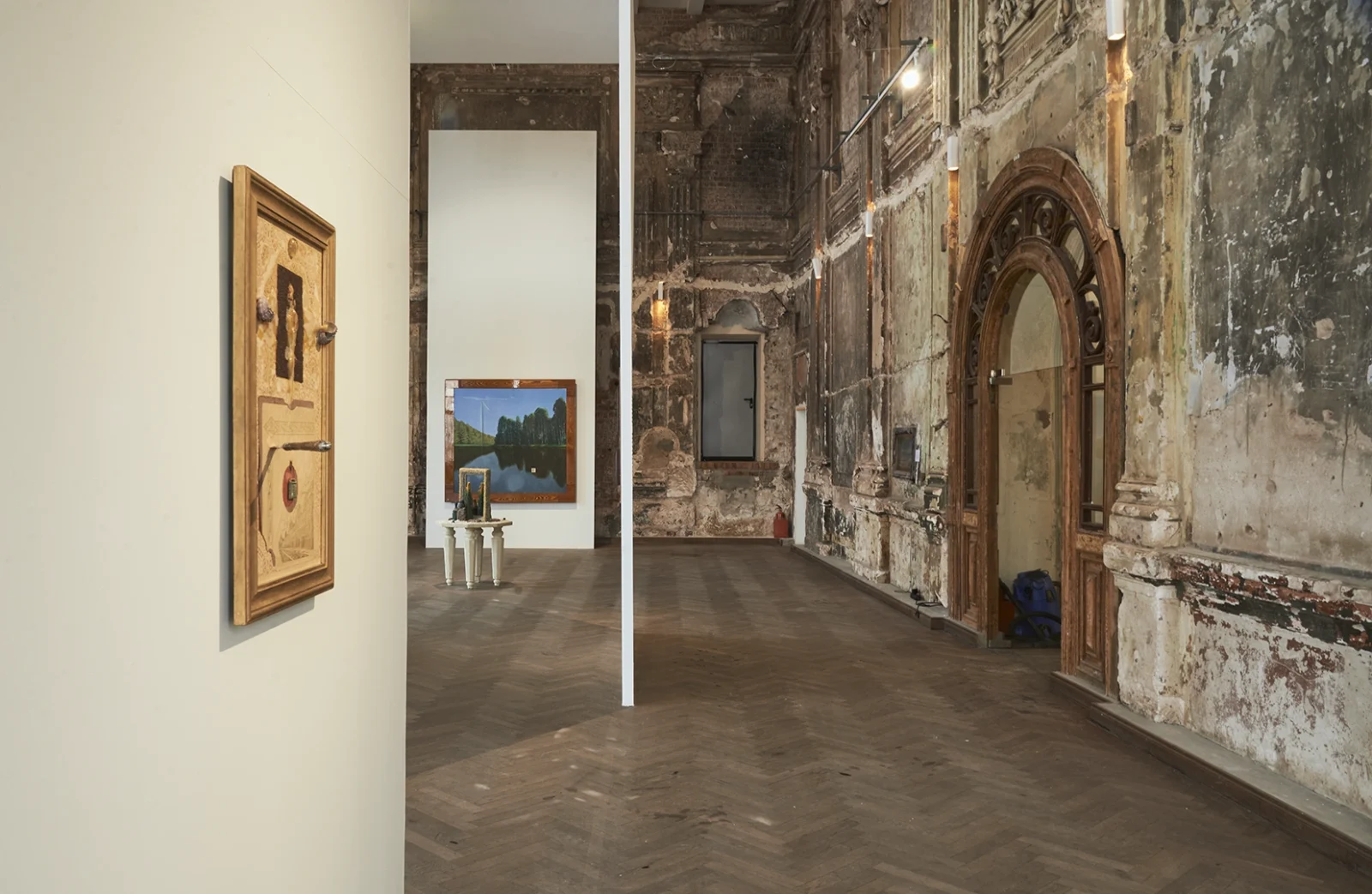
All the works from the series “Traces of Life” are quite independent and in different contexts show different facets of interpretation (for example, some of the works were presented earlier at other exhibitions in Moscow and Kirov). However, the artist’s decision to present the final series of works in the space of his own apartment – his first address in his hometown – adds an additional dimension to the perception of the works. Once inside the context (some of the works in the series were conceived and even made in this particular apartment), they, if not dissolved in it, then surprisingly delicately took their allotted place. The apartment, stripped of most of its furniture, did not turn into an empty exhibition hall: works of art filled it, playing the role of a familiar environment, but without any utilitarian functions. Like ordinary objects, they tell stories appealing to our memory.
Michel de Certeau, in The Invention of Everyday Life, writes that “memory mediates spatial transformations”. Places can’t exist without the stories that happened in them. The artist manifests these stories by transforming the space of life into the space of art.
Daria Tkacheva
Сultural scholar, Сurator
Head of the Cultural Center “Fifth Floor” (Kirov)
Head of the Exhibition Projects Department,
Volga-Vyatka Branch,
The Pushkin State Museum of Fine Arts (Nizhny Novgorod)
“Traces of Life” in Kirov
Curator Daria Tkacheva
The exhibition was prepared with the assistance of Yaroslav Ananin, Elena Atnagulova, Darya Gredina, Ivan Polushkin, Olga Tyaganova and Maria, Oleg, Marina and Sergei Boyarintsev оf the Boyarintsev family